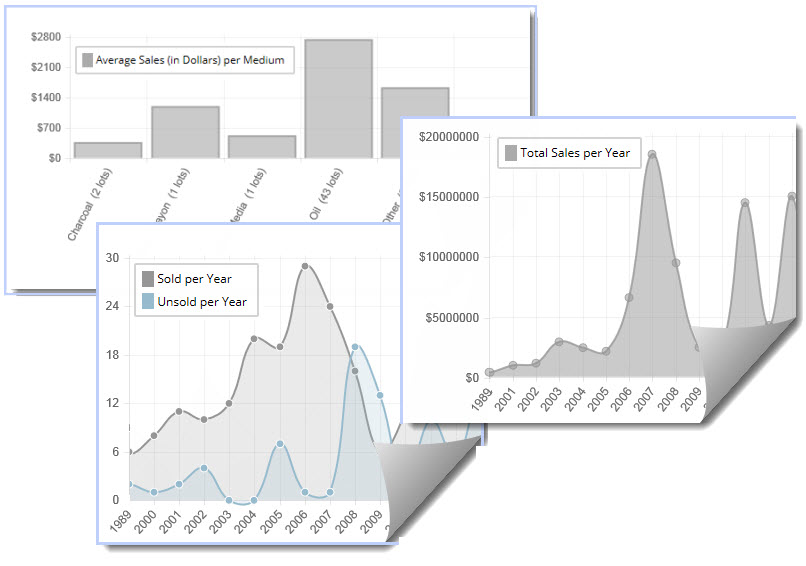
Jacques Sicard PRICE CHARTS
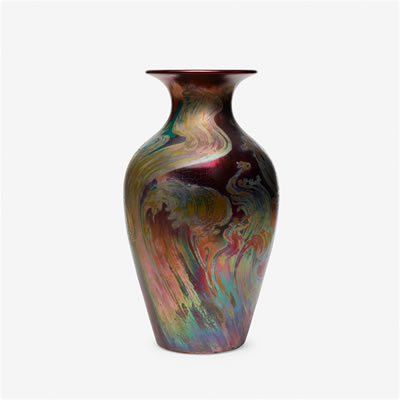
1863 - 1925. Known for: Pottery.
Lots Sold: 95%, High Price: Subscribe.
Jacques Sicard was renowned for his experimentation with metallic luster glazes at Weller, a technique he learned from Pierre Clement Massier. His luster ceramics line, known as "Sicardo," was highly... Read full biography
Jacques Sicard was renowned for his experimentation with metallic luster glazes at Weller, a technique he learned from Pierre Clement Massier. His luster ceramics line, known as "Sicardo," was highly acclaimed but came with high costs due to the volatile nature of the firing process. Sicard kept... Read full biography
Jacques Sicard was renowned for his experimentation with metallic luster glazes at Weller, a technique he learned from Pierre Clement Massier. His luster ceramics line, known as "Sicardo," was highly acclaimed but came with high costs due to the volatile nature of the firing process. Sicard kept his artistic process secret, only sharing it with his assistant Henri Gellie, adding to the mystery and intrigue surrounding his work.Sharon & Bob Huxford, "The Collectors Encyclopedia of Weller... Read full biography
Jacques Sicard was renowned for his experimentation with metallic luster glazes at Weller, a technique he learned from Pierre Clement Massier. His luster ceramics line, known as "Sicardo," was highly acclaimed but came with high costs due to the volatile nature of the firing process. Sicard kept his artistic process secret, only sharing it with his assistant Henri Gellie, adding to the mystery and intrigue surrounding his work.Sharon & Bob Huxford, "The Collectors Encyclopedia of Weller Pottery," (Collector Books, 1987), pages 11-12 & 88, plate 89.
Jacques Sicard was renowned for his experimentation with metallic luster glazes at Weller, a technique he learned from Pierre Clement Massier. His luster ceramics line, known as "Sicardo," was highly acclaimed but came with high costs due to the volatile nature of the firing process. Sicard kept his artistic process secret, only sharing it with his assistant Henri Gellie, adding to the mystery and intrigue surrounding his work.Sharon & Bob Huxford, "The Collectors Encyclopedia of Weller Pottery," (Collector Books, 1987), pages 11-12 & 88, plate 89.