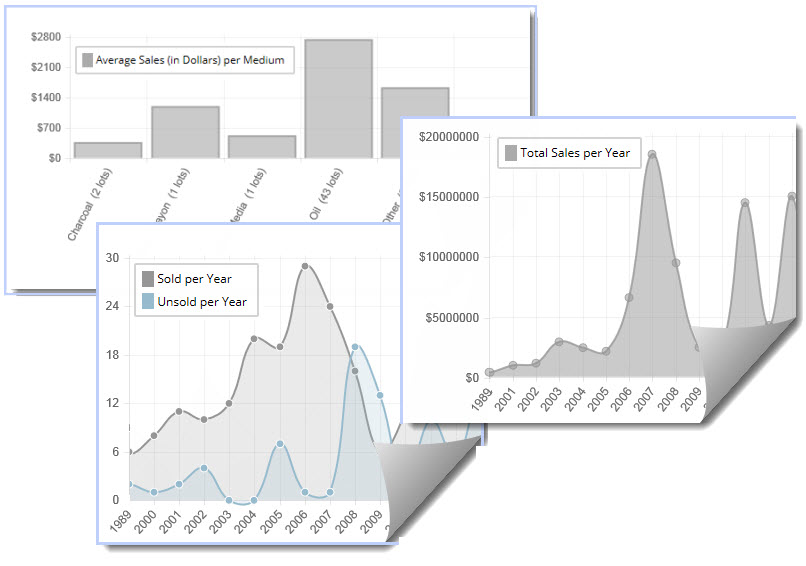
Jan Miense Molenaer PRICE CHARTS
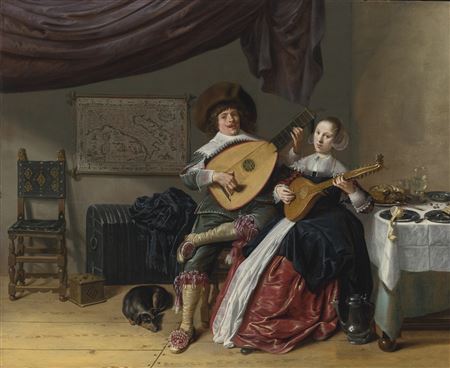
1609 Haarlem, Netherlands - 1668. Known for: Figure, interior paintings.
Jan Miense Molenaer, husband of painter Judith Leyster, developed his career in the manner of Dirk Hals before transitioning to peasant depictions in the Haarlem tradition akin to Adriaen Brouwer and... Read full biography
Jan Miense Molenaer, husband of painter Judith Leyster, developed his career in the manner of Dirk Hals before transitioning to peasant depictions in the Haarlem tradition akin to Adriaen Brouwer and Adriaen van Ostade. His mature oeuvre is characterized by contrapuntal compositions, a preference... Read full biography
Jan Miense Molenaer, husband of painter Judith Leyster, developed his career in the manner of Dirk Hals before transitioning to peasant depictions in the Haarlem tradition akin to Adriaen Brouwer and Adriaen van Ostade. His mature oeuvre is characterized by contrapuntal compositions, a preference for still life, and grotesque depictions of figures with deformed facial features expressing merriment or anger. The painting mentioned in the text can be compared to "Slap Hands/Handjeklap" in the... Read full biography
Jan Miense Molenaer, husband of painter Judith Leyster, developed his career in the manner of Dirk Hals before transitioning to peasant depictions in the Haarlem tradition akin to Adriaen Brouwer and Adriaen van Ostade. His mature oeuvre is characterized by contrapuntal compositions, a preference for still life, and grotesque depictions of figures with deformed facial features expressing merriment or anger. The painting mentioned in the text can be compared to "Slap Hands/Handjeklap" in the Museum of Fine Arts in Budapest, inv. no. 264.... Read full biography
Jan Miense Molenaer, husband of painter Judith Leyster, developed his career in the manner of Dirk Hals before transitioning to peasant depictions in the Haarlem tradition akin to Adriaen Brouwer and Adriaen van Ostade. His mature oeuvre is characterized by contrapuntal compositions, a preference for still life, and grotesque depictions of figures with deformed facial features expressing merriment or anger. The painting mentioned in the text can be compared to "Slap Hands/Handjeklap" in the Museum of Fine Arts in Budapest, inv. no. 264.... Read full biography