Joseph Mozier PRICE CHARTS
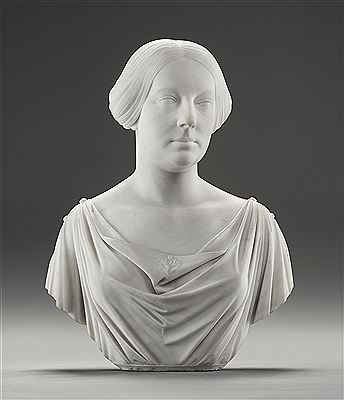
1812 Burlington, Vermont - 1870 Faido, Switzerland. Known for: Sculptor-romanticized figure.
Lots Sold: 81%, High Price: Subscribe.
A successful merchant in New York City, Joseph Mozier gave that up to become a sculptor and then spent most of his career in Rome where he first traveled in 1845. His work is mostly idealized or... Read full biography
A successful merchant in New York City, Joseph Mozier gave that up to become a sculptor and then spent most of his career in Rome where he first traveled in 1845. His work is mostly idealized or romantic, and is based on classical, biblical, and literary themes. His most famous work is "Undine" for... Read full biography
A successful merchant in New York City, Joseph Mozier gave that up to become a sculptor and then spent most of his career in Rome where he first traveled in 1845. His work is mostly idealized or romantic, and is based on classical, biblical, and literary themes. His most famous work is "Undine" for which he won a grand prize in Rome in 1867 and according to Matthew Baigell "is a good example of the controlled eroticism seen in many mid-century pieces." The work is now at Dayton University in... Read full biography
A successful merchant in New York City, Joseph Mozier gave that up to become a sculptor and then spent most of his career in Rome where he first traveled in 1845. His work is mostly idealized or romantic, and is based on classical, biblical, and literary themes. His most famous work is "Undine" for which he won a grand prize in Rome in 1867 and according to Matthew Baigell "is a good example of the controlled eroticism seen in many mid-century pieces." The work is now at Dayton University in Ohio. Author Nathaniel Hawthorne described a visit to Mozier's studio in his "Italian Notebooks.". Mozier returned to America briefly and exhibited seven sculptures in New York City. Source: . Matthew Baigell, "Dictionary of American Artists". Peter... Read full biography
A successful merchant in New York City, Joseph Mozier gave that up to become a sculptor and then spent most of his career in Rome where he first traveled in 1845. His work is mostly idealized or romantic, and is based on classical, biblical, and literary themes. His most famous work is "Undine" for which he won a grand prize in Rome in 1867 and according to Matthew Baigell "is a good example of the controlled eroticism seen in many mid-century pieces." The work is now at Dayton University in Ohio. Author Nathaniel Hawthorne described a visit to Mozier's studio in his "Italian Notebooks.". Mozier returned to America briefly and exhibited seven sculptures in New York City. Source: . Matthew Baigell, "Dictionary of American Artists". Peter Falk, "Who Was Who in American Art"