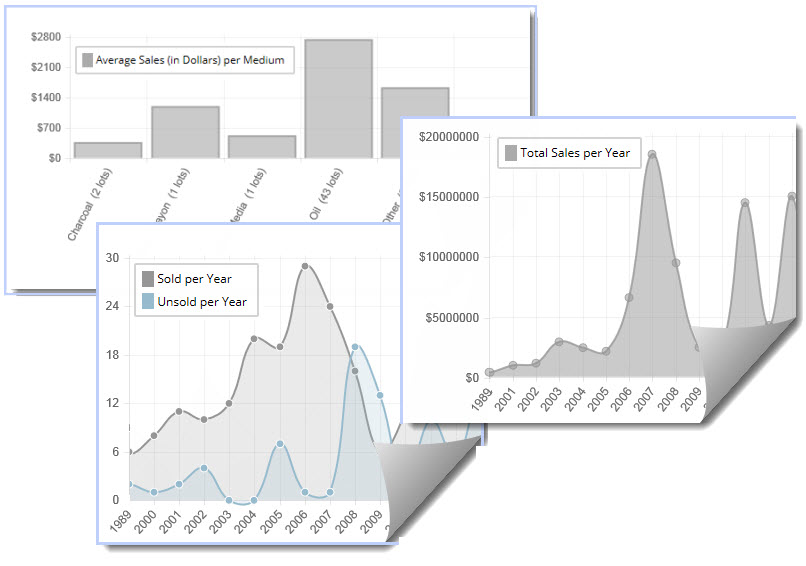
Jules Emile Zingg PRICE CHARTS
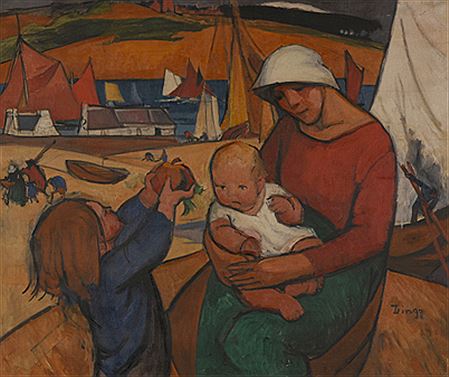
1882 Montbeliard, France - 1942 Paris, France. Known for: Fauve rural landscape and still-life painting, charcoal figure drawing.
Jules-Émile Zingg (b. 1882 / d. 1942). Jules Zingg was born in Montbéliard in Easter, France. Zingg was the son of a clockmaker and began drawing at the age of four. Learning from his father, Zingg... Read full biography
Jules-Émile Zingg (b. 1882 / d. 1942). Jules Zingg was born in Montbéliard in Easter, France. Zingg was the son of a clockmaker and began drawing at the age of four. Learning from his father, Zingg began to design clocks and won a scholarship, in 1901, to study at the Beauz-Arts school college in... Read full biography
Jules-Émile Zingg (b. 1882 / d. 1942). Jules Zingg was born in Montbéliard in Easter, France. Zingg was the son of a clockmaker and began drawing at the age of four. Learning from his father, Zingg began to design clocks and won a scholarship, in 1901, to study at the Beauz-Arts school college in Besançon under Félix Giacomotti. He then won a scholarship to in Paris at the École des Beaux-Arts. During this time period Zingg was heavily influenced by Paul Cézanne. Zingg began to exhibit in a... Read full biography
Jules-Émile Zingg (b. 1882 / d. 1942). Jules Zingg was born in Montbéliard in Easter, France. Zingg was the son of a clockmaker and began drawing at the age of four. Learning from his father, Zingg began to design clocks and won a scholarship, in 1901, to study at the Beauz-Arts school college in Besançon under Félix Giacomotti. He then won a scholarship to in Paris at the École des Beaux-Arts. During this time period Zingg was heavily influenced by Paul Cézanne. Zingg began to exhibit in a modernist style at the Salon des Independants and the Salon d'Automme after World War I. During the 1920s, Zingg exhibited frequently in Paris. In 1918, Zingg moved back to Bretagne where he had his exhibition in Paris in November of that year. Five... Read full biography
Jules-Émile Zingg (b. 1882 / d. 1942). Jules Zingg was born in Montbéliard in Easter, France. Zingg was the son of a clockmaker and began drawing at the age of four. Learning from his father, Zingg began to design clocks and won a scholarship, in 1901, to study at the Beauz-Arts school college in Besançon under Félix Giacomotti. He then won a scholarship to in Paris at the École des Beaux-Arts. During this time period Zingg was heavily influenced by Paul Cézanne. Zingg began to exhibit in a modernist style at the Salon des Independants and the Salon d'Automme after World War I. During the 1920s, Zingg exhibited frequently in Paris. In 1918, Zingg moved back to Bretagne where he had his exhibition in Paris in November of that year. Five years after he left Franche-Comté, to Etobon, Zingg moved back to a village in 1919. There he had the opport... Read full biography