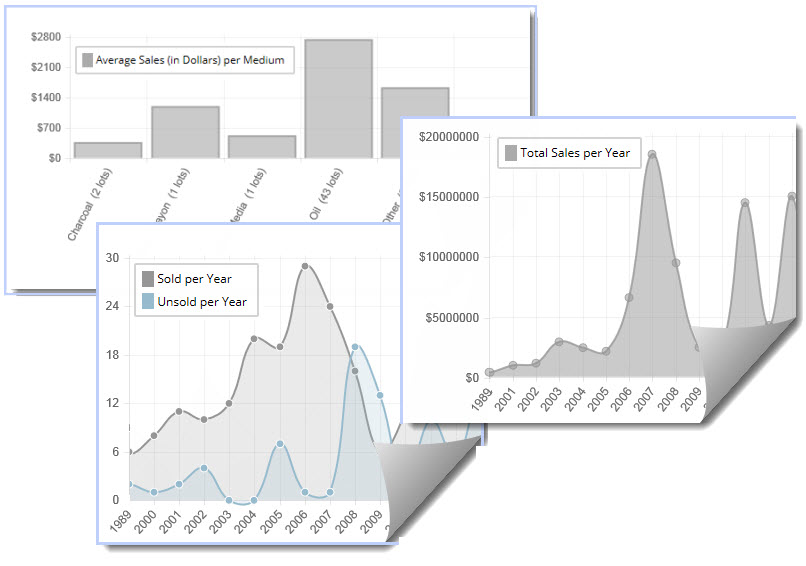
Karl (Carl) Von Saar PRICE CHARTS
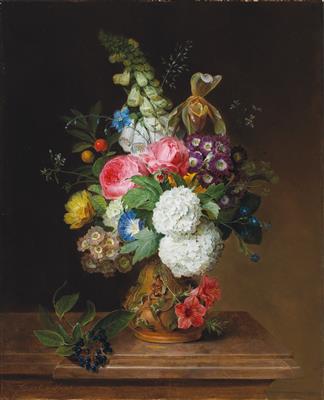
1797 Vienna, Austria - 1853 Wien. Known for: Miniature portrait, history and floral still-life painting.
Carl von Saar was a Viennese painter who was mainly known for his elegant and realist miniatures and portraits. Between 1822 and 1845 he exhibited several times at the Academy where his works showed... Read full biography
Carl von Saar was a Viennese painter who was mainly known for his elegant and realist miniatures and portraits. Between 1822 and 1845 he exhibited several times at the Academy where his works showed the influence of Moritz Michael Daffinger (1790–1849) and Josef Kriehuber (1800–1876). Von Saar also... Read full biography
Carl von Saar was a Viennese painter who was mainly known for his elegant and realist miniatures and portraits. Between 1822 and 1845 he exhibited several times at the Academy where his works showed the influence of Moritz Michael Daffinger (1790–1849) and Josef Kriehuber (1800–1876). Von Saar also painted historical paintings, probably influenced by his teacher Johann Baptist Lampi the elder (1751–1830), before moving to flower still lives at the end of his career, around 1850.
Carl von Saar was a Viennese painter who was mainly known for his elegant and realist miniatures and portraits. Between 1822 and 1845 he exhibited several times at the Academy where his works showed the influence of Moritz Michael Daffinger (1790–1849) and Josef Kriehuber (1800–1876). Von Saar also painted historical paintings, probably influenced by his teacher Johann Baptist Lampi the elder (1751–1830), before moving to flower still lives at the end of his career, around 1850.
Carl von Saar was a Viennese painter who was mainly known for his elegant and realist miniatures and portraits. Between 1822 and 1845 he exhibited several times at the Academy where his works showed the influence of Moritz Michael Daffinger (1790–1849) and Josef Kriehuber (1800–1876). Von Saar also painted historical paintings, probably influenced by his teacher Johann Baptist Lampi the elder (1751–1830), before moving to flower still lives at the end of his career, around 1850.