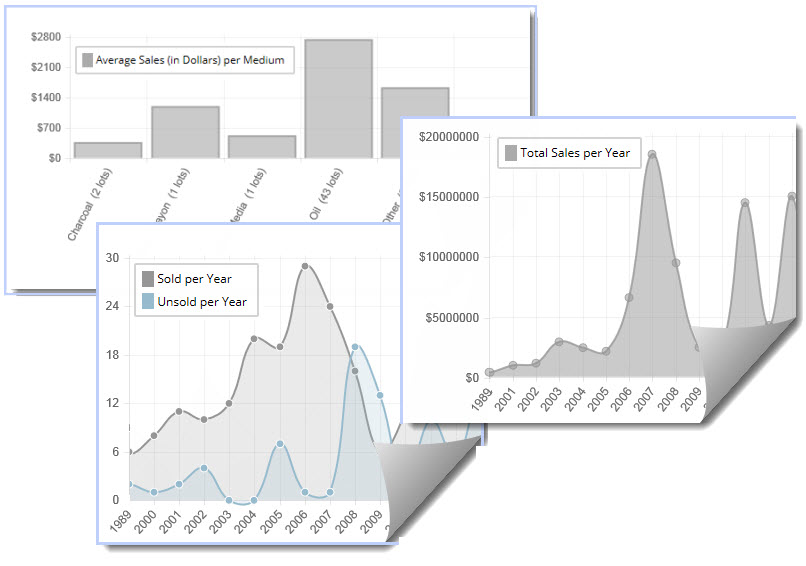
Magdalena Radulescu PRICE CHARTS
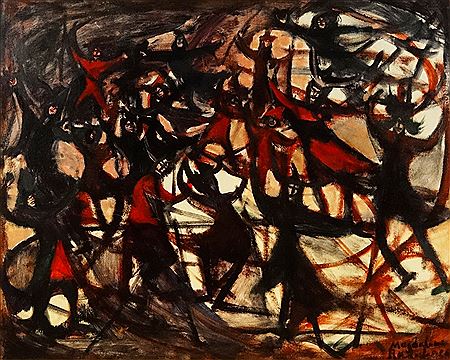
1902 Ramnicu Valcea (Oltenia) Romania - 1983 Paris, France. Known for: Folkloric architectural shapes, vibrant compositions, skilled portraitist.
Magdalena Radulescu's body of work is inspired by Romanian traditions and folklore, focusing on themes such as local weddings, village gatherings, circuses, and fairs. She used folkloric inspiration... Read full biography
Magdalena Radulescu's body of work is inspired by Romanian traditions and folklore, focusing on themes such as local weddings, village gatherings, circuses, and fairs. She used folkloric inspiration not as decoration but as architectural shapes in her vibrant compositions, seeking a return to... Read full biography
Magdalena Radulescu's body of work is inspired by Romanian traditions and folklore, focusing on themes such as local weddings, village gatherings, circuses, and fairs. She used folkloric inspiration not as decoration but as architectural shapes in her vibrant compositions, seeking a return to essential harmony. A talented portraitist, Radulescu captured the faces of many individuals she encountered. She moved to Nice in 1946 and exhibited in various cities including Paris, London, Rome, and... Read full biography
Magdalena Radulescu's body of work is inspired by Romanian traditions and folklore, focusing on themes such as local weddings, village gatherings, circuses, and fairs. She used folkloric inspiration not as decoration but as architectural shapes in her vibrant compositions, seeking a return to essential harmony. A talented portraitist, Radulescu captured the faces of many individuals she encountered. She moved to Nice in 1946 and exhibited in various cities including Paris, London, Rome, and Bucharest. Radulescu participated in the Venice Biennale in 1928 and showcased her work in prestigious galleries and venues throughout her career.
Magdalena Radulescu's body of work is inspired by Romanian traditions and folklore, focusing on themes such as local weddings, village gatherings, circuses, and fairs. She used folkloric inspiration not as decoration but as architectural shapes in her vibrant compositions, seeking a return to essential harmony. A talented portraitist, Radulescu captured the faces of many individuals she encountered. She moved to Nice in 1946 and exhibited in various cities including Paris, London, Rome, and Bucharest. Radulescu participated in the Venice Biennale in 1928 and showcased her work in prestigious galleries and venues throughout her career.