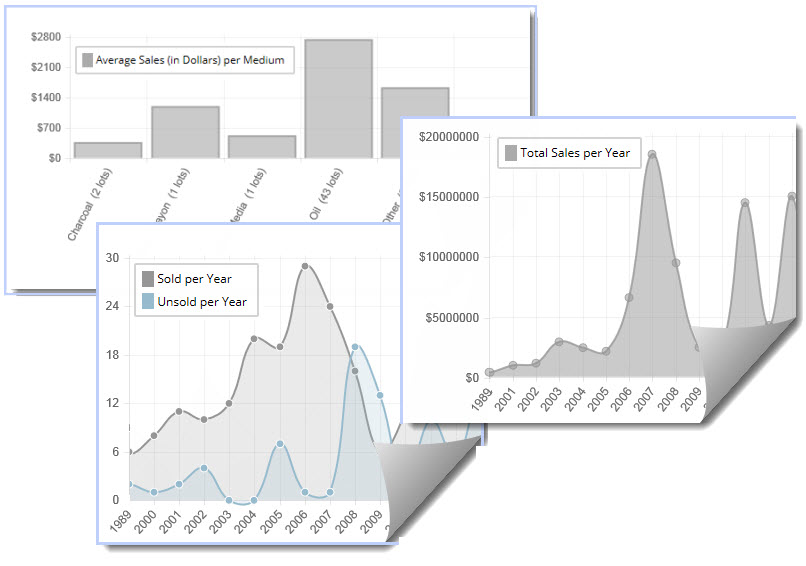
Max Schmeling Barrett PRICE CHARTS
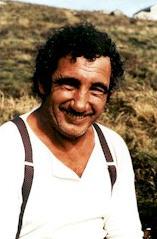
1937 Penzance, Cornwell, England - 1997 Trencrom Hill, Cornwell, England. Known for: Abstract figure and torso sculpture, granite, driftwood, alabaster.
Max Barrett started life as the wild boy of Penzance and ended as the wild man of sculpting. For the past 25 years Barrett worked in a variety of media, from the granite he found in the hills and... Read full biography
Max Barrett started life as the wild boy of Penzance and ended as the wild man of sculpting. For the past 25 years Barrett worked in a variety of media, from the granite he found in the hills and quarries around his Cornish home to alabaster, slate, wood (including driftwood) and coal. He cut the... Read full biography
Max Barrett started life as the wild boy of Penzance and ended as the wild man of sculpting. For the past 25 years Barrett worked in a variety of media, from the granite he found in the hills and quarries around his Cornish home to alabaster, slate, wood (including driftwood) and coal. He cut the sculpture Meeting Place, which now stands outside Sainsbury`s in Truro, from a 10-ton granite block. He used a 6cwt block of alabaster to make Five Semi-Quavers, inspired by the birdcatcher Papageno in... Read full biography
Max Barrett started life as the wild boy of Penzance and ended as the wild man of sculpting. For the past 25 years Barrett worked in a variety of media, from the granite he found in the hills and quarries around his Cornish home to alabaster, slate, wood (including driftwood) and coal. He cut the sculpture Meeting Place, which now stands outside Sainsbury`s in Truro, from a 10-ton granite block. He used a 6cwt block of alabaster to make Five Semi-Quavers, inspired by the birdcatcher Papageno in Mozart`s The Magic Flute, and in a BBC television programme made in the summer of 1996 and broadcast early this year he sat on an enormous granite boulder in a field near his home and described how he was going to find “the shape within the stone”.... Read full biography
Max Barrett started life as the wild boy of Penzance and ended as the wild man of sculpting. For the past 25 years Barrett worked in a variety of media, from the granite he found in the hills and quarries around his Cornish home to alabaster, slate, wood (including driftwood) and coal. He cut the sculpture Meeting Place, which now stands outside Sainsbury`s in Truro, from a 10-ton granite block. He used a 6cwt block of alabaster to make Five Semi-Quavers, inspired by the birdcatcher Papageno in Mozart`s The Magic Flute, and in a BBC television programme made in the summer of 1996 and broadcast early this year he sat on an enormous granite boulder in a field near his home and described how he was going to find “the shape within the stone”. Barrett came from old Cornish and gypsy stock. His early years were marked by clashes with the law, his family and society. He was the son... Read full biography