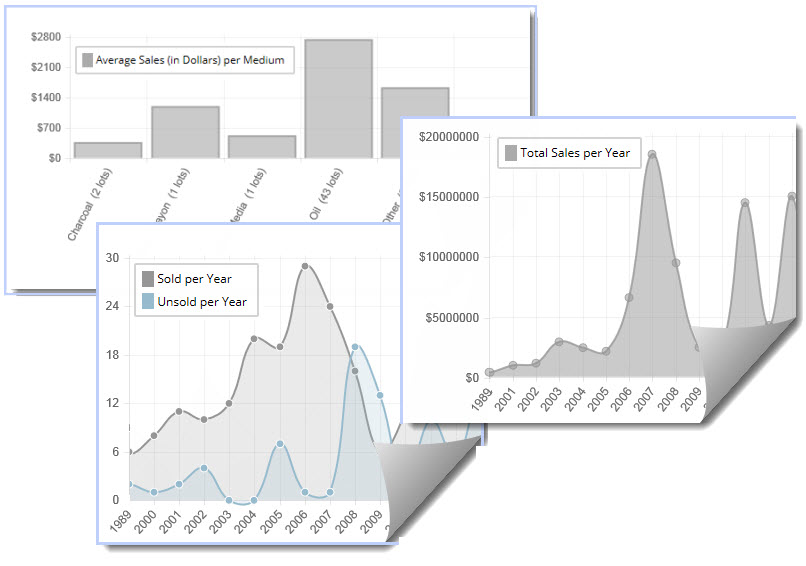
Naseer Chaura PRICE CHARTS
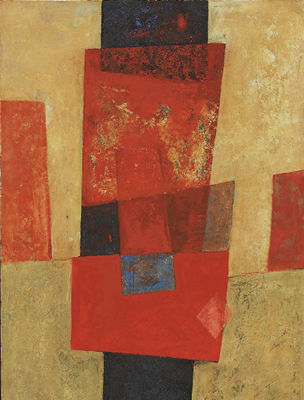
1920 - 1992. Known for: Impressionist and abstract landscape and genre painting, teaching.
Acknowledged as the father of Syrian Impressionism, Nassir Chaura (1920-1992) led an extensive career that spanned over fifty years and traversed several schools of art. After studying oil painting... Read full biography
Acknowledged as the father of Syrian Impressionism, Nassir Chaura (1920-1992) led an extensive career that spanned over fifty years and traversed several schools of art. After studying oil painting at the Faculty of Fine Arts in Cairo, Egypt from 1943-47, he quickly emerged as a prominent artist in... Read full biography
Acknowledged as the father of Syrian Impressionism, Nassir Chaura (1920-1992) led an extensive career that spanned over fifty years and traversed several schools of art. After studying oil painting at the Faculty of Fine Arts in Cairo, Egypt from 1943-47, he quickly emerged as a prominent artist in the 1950s Damascus art scene alongside a second generation of pioneers that thrust national art forward. The leader of the Impressionist movement until 1964, when he abruptly changed course and took... Read full biography
Acknowledged as the father of Syrian Impressionism, Nassir Chaura (1920-1992) led an extensive career that spanned over fifty years and traversed several schools of art. After studying oil painting at the Faculty of Fine Arts in Cairo, Egypt from 1943-47, he quickly emerged as a prominent artist in the 1950s Damascus art scene alongside a second generation of pioneers that thrust national art forward. The leader of the Impressionist movement until 1964, when he abruptly changed course and took up abstraction, he taught art in secondary schools and became a founding member of the Faculty of Fine Arts at the University of Damascus when it opened in 1960—a position he held for thirty years. Through his instruction, his influence reached... Read full biography
Acknowledged as the father of Syrian Impressionism, Nassir Chaura (1920-1992) led an extensive career that spanned over fifty years and traversed several schools of art. After studying oil painting at the Faculty of Fine Arts in Cairo, Egypt from 1943-47, he quickly emerged as a prominent artist in the 1950s Damascus art scene alongside a second generation of pioneers that thrust national art forward. The leader of the Impressionist movement until 1964, when he abruptly changed course and took up abstraction, he taught art in secondary schools and became a founding member of the Faculty of Fine Arts at the University of Damascus when it opened in 1960—a position he held for thirty years. Through his instruction, his influence reached several prominent modernists in addition to a number of contemporary forerunners. In 1970 he returned to representational art, offerAyyam Auctions... Read full biography