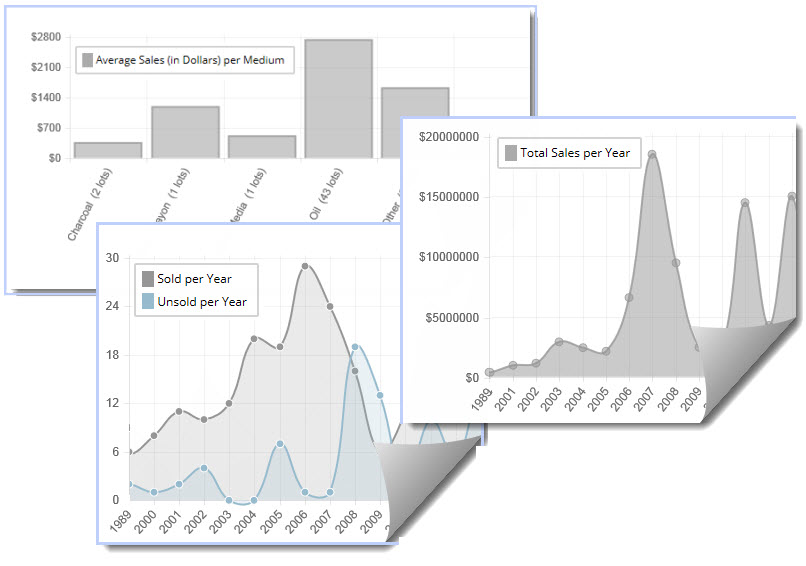
Otto Ritschl PRICE CHARTS
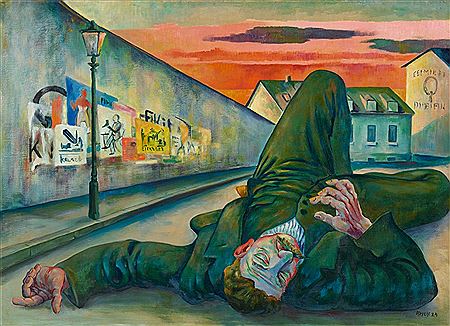
1885 Erfurt - 1976 Wiesbaden. Known for: Painting.
A native of Wiesbaden, Otto Ritschl was initially literary active and began painting as an autodidact in 1918. He was connected to Alexej Jawlenskij. Stylistically important were a number of journeys... Read full biography
A native of Wiesbaden, Otto Ritschl was initially literary active and began painting as an autodidact in 1918. He was connected to Alexej Jawlenskij. Stylistically important were a number of journeys to Paris during in the 1920s, where he met Max Ernst and Pablo Picasso. In 1925, Ritschl destroyed... Read full biography
A native of Wiesbaden, Otto Ritschl was initially literary active and began painting as an autodidact in 1918. He was connected to Alexej Jawlenskij. Stylistically important were a number of journeys to Paris during in the 1920s, where he met Max Ernst and Pablo Picasso. In 1925, Ritschl destroyed all his works that he had created until then. From then on, he was interested in Surrealism and Cubism. That same year, he founded a free association of artists in Wiesbaden. His exhibition at the... Read full biography
A native of Wiesbaden, Otto Ritschl was initially literary active and began painting as an autodidact in 1918. He was connected to Alexej Jawlenskij. Stylistically important were a number of journeys to Paris during in the 1920s, where he met Max Ernst and Pablo Picasso. In 1925, Ritschl destroyed all his works that he had created until then. From then on, he was interested in Surrealism and Cubism. That same year, he founded a free association of artists in Wiesbaden. His exhibition at the Folkwang Museum in Essen was closed by the National Socialists and his art declared ‘degenerate’. The artist took part at the documenta in Kassel in 1955 and 1959. (tm)
A native of Wiesbaden, Otto Ritschl was initially literary active and began painting as an autodidact in 1918. He was connected to Alexej Jawlenskij. Stylistically important were a number of journeys to Paris during in the 1920s, where he met Max Ernst and Pablo Picasso. In 1925, Ritschl destroyed all his works that he had created until then. From then on, he was interested in Surrealism and Cubism. That same year, he founded a free association of artists in Wiesbaden. His exhibition at the Folkwang Museum in Essen was closed by the National Socialists and his art declared ‘degenerate’. The artist took part at the documenta in Kassel in 1955 and 1959. (tm)