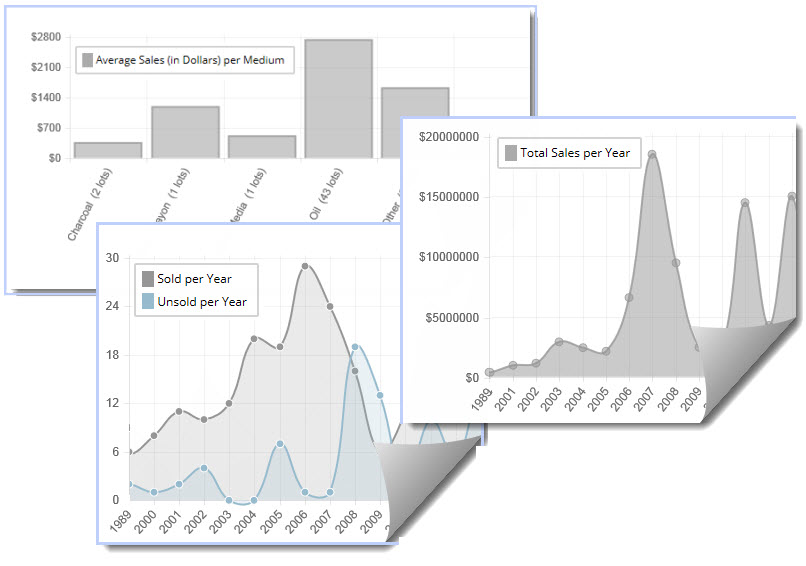
Atul Dodiya PRICE CHARTS
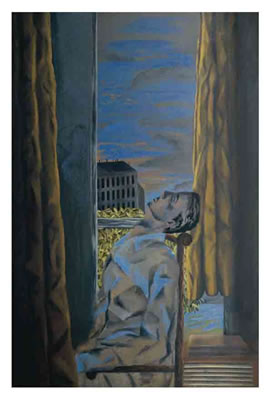
Born 1959 Mumbai. Known for: Post-modernist aesthetic, painted collages.
Atul Dodiya's paintings have been exhibited around the world, from New York and Yokohama to Madrid, Venice and London, earning him true international status. His work in the 1980s adhered to a... Read full biography
Atul Dodiya's paintings have been exhibited around the world, from New York and Yokohama to Madrid, Venice and London, earning him true international status. His work in the 1980s adhered to a photorealist style of painting, bringing him his first critical acclaim; still, he moved on towards a more... Read full biography
Atul Dodiya's paintings have been exhibited around the world, from New York and Yokohama to Madrid, Venice and London, earning him true international status. His work in the 1980s adhered to a photorealist style of painting, bringing him his first critical acclaim; still, he moved on towards a more fragmented, multilayered technique in the 1990s, taking cues from the two-dimensional, brightly colored pop of David Hockney and Bhupen Khakhar, and from Edward Hopper's use of light. From 1999 to... Read full biography
Atul Dodiya's paintings have been exhibited around the world, from New York and Yokohama to Madrid, Venice and London, earning him true international status. His work in the 1980s adhered to a photorealist style of painting, bringing him his first critical acclaim; still, he moved on towards a more fragmented, multilayered technique in the 1990s, taking cues from the two-dimensional, brightly colored pop of David Hockney and Bhupen Khakhar, and from Edward Hopper's use of light. From 1999 to 2000, he chose the common shop shutter as his medium, an allusion Mumbai, India's commercial capital and Dodiya's hometown. The works included a careful juxtaposition of images on the shutter and canvas, playing with the notions of open/closed,... Read full biography
Atul Dodiya's paintings have been exhibited around the world, from New York and Yokohama to Madrid, Venice and London, earning him true international status. His work in the 1980s adhered to a photorealist style of painting, bringing him his first critical acclaim; still, he moved on towards a more fragmented, multilayered technique in the 1990s, taking cues from the two-dimensional, brightly colored pop of David Hockney and Bhupen Khakhar, and from Edward Hopper's use of light. From 1999 to 2000, he chose the common shop shutter as his medium, an allusion Mumbai, India's commercial capital and Dodiya's hometown. The works included a careful juxtaposition of images on the shutter and canvas, playing with the notions of open/closed, private/public and what one chooses to reveal or hide. In a more recent series, he appropriated the rectilinear framings of Piet Mondrian as a kind of... Read full biography