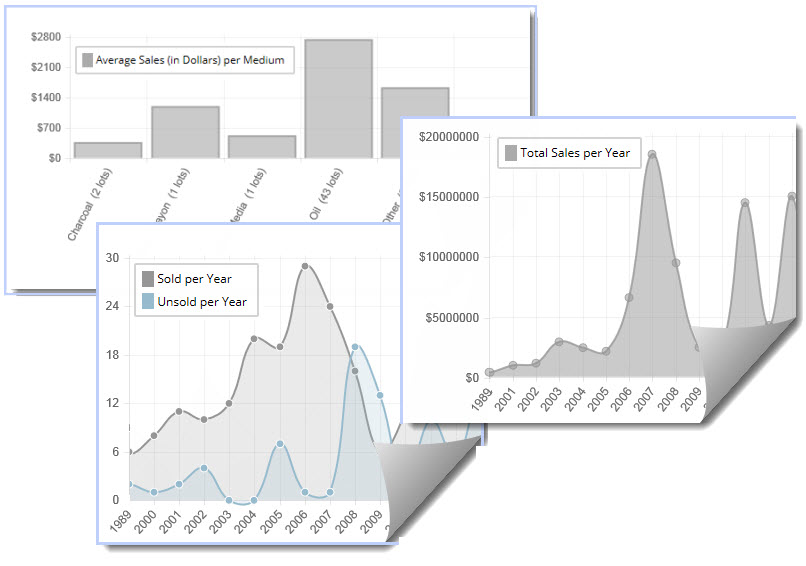
Bernardo Canal PRICE CHARTS
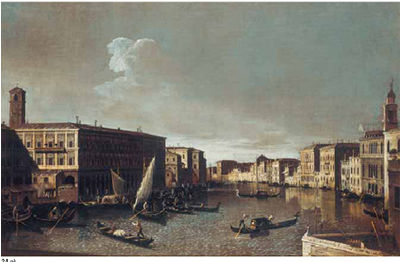
1674 Venice - 1744. Known for: Veduta genre.
Bernardo Canal was an Italian artist who was initially inspired by theater painting. He became one of the leading Venice vedutists in 1717 and was in personal contact with celebrities such as Antonio... Read full biography
Bernardo Canal was an Italian artist who was initially inspired by theater painting. He became one of the leading Venice vedutists in 1717 and was in personal contact with celebrities such as Antonio Vivaldi, Carlo Pollarolo, and Giuseppe Orlandini. In 1720, he went to Rome with his son to create... Read full biography
Bernardo Canal was an Italian artist who was initially inspired by theater painting. He became one of the leading Venice vedutists in 1717 and was in personal contact with celebrities such as Antonio Vivaldi, Carlo Pollarolo, and Giuseppe Orlandini. In 1720, he went to Rome with his son to create sets for Scarlatti's operas. After returning to Venice, he devoted himself almost exclusively to the veduta genre. Some of his works have been confused with those of his more famous son, Canaletto.... Read full biography
Bernardo Canal was an Italian artist who was initially inspired by theater painting. He became one of the leading Venice vedutists in 1717 and was in personal contact with celebrities such as Antonio Vivaldi, Carlo Pollarolo, and Giuseppe Orlandini. In 1720, he went to Rome with his son to create sets for Scarlatti's operas. After returning to Venice, he devoted himself almost exclusively to the veduta genre. Some of his works have been confused with those of his more famous son, Canaletto. Between 1734 and 1736, six paintings by his hand were created, one of which was stolen. A picture that is almost identical to the present work is in the Bavarian State Painting Collections... Read full biography
Bernardo Canal was an Italian artist who was initially inspired by theater painting. He became one of the leading Venice vedutists in 1717 and was in personal contact with celebrities such as Antonio Vivaldi, Carlo Pollarolo, and Giuseppe Orlandini. In 1720, he went to Rome with his son to create sets for Scarlatti's operas. After returning to Venice, he devoted himself almost exclusively to the veduta genre. Some of his works have been confused with those of his more famous son, Canaletto. Between 1734 and 1736, six paintings by his hand were created, one of which was stolen. A picture that is almost identical to the present work is in the Bavarian State Painting Collections... Read full biography