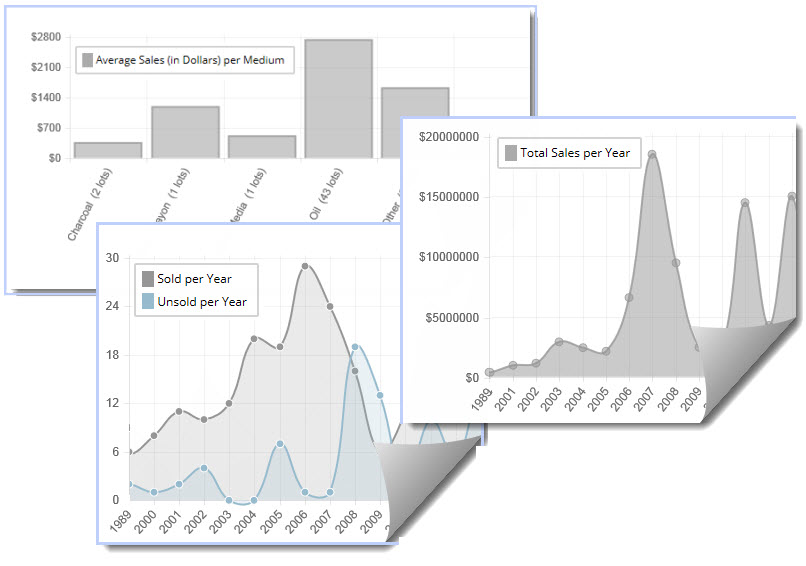
Ion Isac PRICE CHARTS
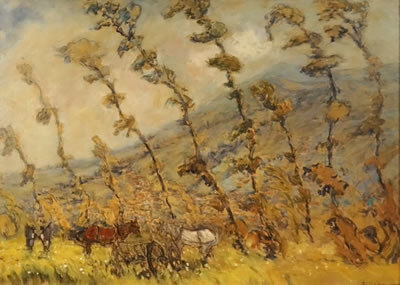
1885 Ciclova, Caras Severin - 1950 Timisoara. Known for: Late Impressionism, landscape painting.
Ion Isac (1885–1950), a self-taught painter from Ciclova Montana, Romania, developed his artistic style influenced by late Impressionism and plein-air practice. He focused on landscape painting,... Read full biography
Ion Isac (1885–1950), a self-taught painter from Ciclova Montana, Romania, developed his artistic style influenced by late Impressionism and plein-air practice. He focused on landscape painting, showcasing a freer handling of form and sensitivity to light. Isac gained recognition in the Romanian... Read full biography
Ion Isac (1885–1950), a self-taught painter from Ciclova Montana, Romania, developed his artistic style influenced by late Impressionism and plein-air practice. He focused on landscape painting, showcasing a freer handling of form and sensitivity to light. Isac gained recognition in the Romanian art scene through exhibitions and solo shows in Timi?oara, Cluj, and Oradea. His home in Timi?oara became a museum in 1942, and he was admitted to the Corpul Arti?tilor Plastici in 1943, solidifying his... Read full biography
Ion Isac (1885–1950), a self-taught painter from Ciclova Montana, Romania, developed his artistic style influenced by late Impressionism and plein-air practice. He focused on landscape painting, showcasing a freer handling of form and sensitivity to light. Isac gained recognition in the Romanian art scene through exhibitions and solo shows in Timi?oara, Cluj, and Oradea. His home in Timi?oara became a museum in 1942, and he was admitted to the Corpul Arti?tilor Plastici in 1943, solidifying his professional status.
Ion Isac (1885–1950), a self-taught painter from Ciclova Montana, Romania, developed his artistic style influenced by late Impressionism and plein-air practice. He focused on landscape painting, showcasing a freer handling of form and sensitivity to light. Isac gained recognition in the Romanian art scene through exhibitions and solo shows in Timi?oara, Cluj, and Oradea. His home in Timi?oara became a museum in 1942, and he was admitted to the Corpul Arti?tilor Plastici in 1943, solidifying his professional status.