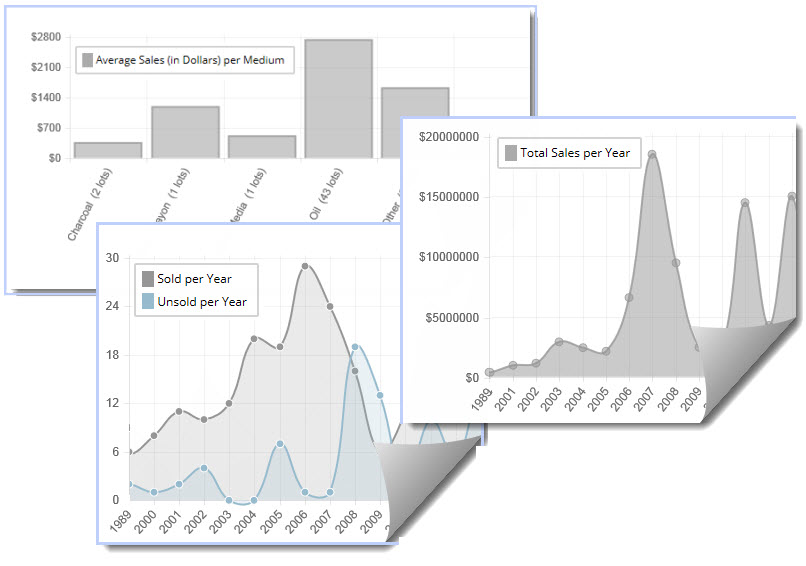
Jorge de la Vega PRICE CHARTS
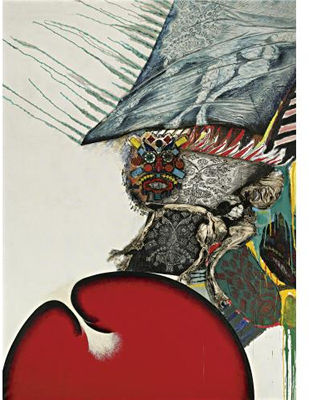
1930 La Plata, Argentina. - 1971 Buenos Aires, Argentina.. Known for: New Figuration style, Pop art, black-and-white works..
Jorge de la Vega was an Argentine artist born in La Plata in 1930. He was a self-taught artist who developed a unique visual language based on transformation and anamorphosis, using objects and... Read full biography
Jorge de la Vega was an Argentine artist born in La Plata in 1930. He was a self-taught artist who developed a unique visual language based on transformation and anamorphosis, using objects and symbols from contemporary culture. He was a member of Argentina's Nueva Figuración group in the 1960s,... Read full biography
Jorge de la Vega was an Argentine artist born in La Plata in 1930. He was a self-taught artist who developed a unique visual language based on transformation and anamorphosis, using objects and symbols from contemporary culture. He was a member of Argentina's Nueva Figuración group in the 1960s, and later turned to Pop and psychedelia for inspiration. He spent time in the United States in the mid-1960s, where he was influenced by American culture and saw fellow Argentine artists. De la Vega's... Read full biography
Jorge de la Vega was an Argentine artist born in La Plata in 1930. He was a self-taught artist who developed a unique visual language based on transformation and anamorphosis, using objects and symbols from contemporary culture. He was a member of Argentina's Nueva Figuración group in the 1960s, and later turned to Pop and psychedelia for inspiration. He spent time in the United States in the mid-1960s, where he was influenced by American culture and saw fellow Argentine artists. De la Vega's black-and-white works, including Rompecabezas (2 panels), portrayed stylized faces and dismembered limbs, critiquing consumer culture and capitalism. He died in Buenos Aires in 1971.
Jorge de la Vega was an Argentine artist born in La Plata in 1930. He was a self-taught artist who developed a unique visual language based on transformation and anamorphosis, using objects and symbols from contemporary culture. He was a member of Argentina's Nueva Figuración group in the 1960s, and later turned to Pop and psychedelia for inspiration. He spent time in the United States in the mid-1960s, where he was influenced by American culture and saw fellow Argentine artists. De la Vega's black-and-white works, including Rompecabezas (2 panels), portrayed stylized faces and dismembered limbs, critiquing consumer culture and capitalism. He died in Buenos Aires in 1971.