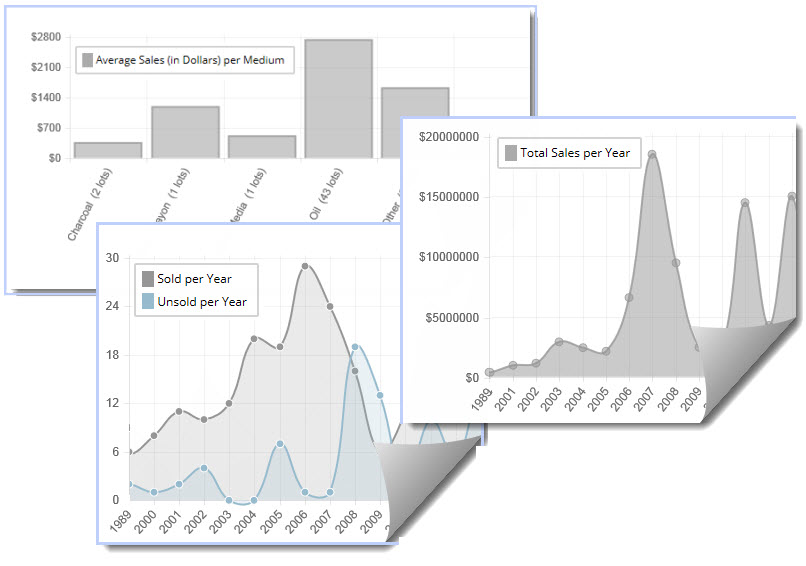
Karel Cerny PRICE CHARTS
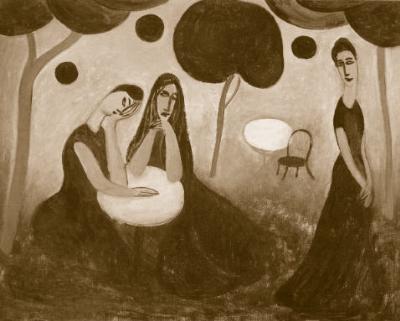
1893 - 1953. Known for: Magic Realism painting. lansdape, figures, still life.
Karel Cerny was born in1893 and died in 1953. He was considered one of the Group of 42 (Skup 42). The Germans did not, of course, consistently apply the term ‘de-generate art’ to the Czech situation.... Read full biography
Karel Cerny was born in1893 and died in 1953. He was considered one of the Group of 42 (Skup 42). The Germans did not, of course, consistently apply the term ‘de-generate art’ to the Czech situation. No exhibition of ‘degenerate art’ took place either in Bohemia or in Moravia during the... Read full biography
Karel Cerny was born in1893 and died in 1953. He was considered one of the Group of 42 (Skup 42). The Germans did not, of course, consistently apply the term ‘de-generate art’ to the Czech situation. No exhibition of ‘degenerate art’ took place either in Bohemia or in Moravia during the Protectorate. Itwas only the recent archive investigation of Milan Pech, published in the catalogue of the exhibition entitled The End of the Avant-Garde, which showed that such an exhibition was considered by... Read full biography
Karel Cerny was born in1893 and died in 1953. He was considered one of the Group of 42 (Skup 42). The Germans did not, of course, consistently apply the term ‘de-generate art’ to the Czech situation. No exhibition of ‘degenerate art’ took place either in Bohemia or in Moravia during the Protectorate. Itwas only the recent archive investigation of Milan Pech, published in the catalogue of the exhibition entitled The End of the Avant-Garde, which showed that such an exhibition was considered by an obscure society called Den (Day) in the autumn of 1942, but naturally without success. The position which seemed the most radical and most ‘modern’ of the officially tolerated trends under the Protectorate was represented by Magic Realism. In the... Read full biography
Karel Cerny was born in1893 and died in 1953. He was considered one of the Group of 42 (Skup 42). The Germans did not, of course, consistently apply the term ‘de-generate art’ to the Czech situation. No exhibition of ‘degenerate art’ took place either in Bohemia or in Moravia during the Protectorate. Itwas only the recent archive investigation of Milan Pech, published in the catalogue of the exhibition entitled The End of the Avant-Garde, which showed that such an exhibition was considered by an obscure society called Den (Day) in the autumn of 1942, but naturally without success. The position which seemed the most radical and most ‘modern’ of the officially tolerated trends under the Protectorate was represented by Magic Realism. In the period in question, it was developed in particular by Alois Wachsman (1898–1942), Zdenek Tuma (1907–1943) and Alois Fišárek (1906–1... Read full biography