Philip Flanagan PRICE CHARTS
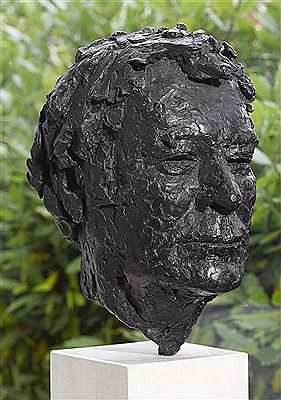
Born 1960. Known for: Sculpture.
Artist Philip Flanagan was born in 1960 in Ireland. In his paintings Flanagan likes to superimpose layer upon layer of colour to produce a surface replete with activity and the act of construction.... Read full biography
Artist Philip Flanagan was born in 1960 in Ireland. In his paintings Flanagan likes to superimpose layer upon layer of colour to produce a surface replete with activity and the act of construction. For example, Flanagan says, ‘I might include a red layer to create an emotional charge, and if I’m... Read full biography
Artist Philip Flanagan was born in 1960 in Ireland. In his paintings Flanagan likes to superimpose layer upon layer of colour to produce a surface replete with activity and the act of construction. For example, Flanagan says, ‘I might include a red layer to create an emotional charge, and if I’m putting black over that, the red will vibrate the black, animate it. I want to convey the landscape but I want to convey it in an abstract sense. I don’t want to paint and draw the topography. I want to... Read full biography
Artist Philip Flanagan was born in 1960 in Ireland. In his paintings Flanagan likes to superimpose layer upon layer of colour to produce a surface replete with activity and the act of construction. For example, Flanagan says, ‘I might include a red layer to create an emotional charge, and if I’m putting black over that, the red will vibrate the black, animate it. I want to convey the landscape but I want to convey it in an abstract sense. I don’t want to paint and draw the topography. I want to see how far you can push the thing -abstract it - and still maintain its character.’ He draws upon what we might term the ‘psyche’ of the landscape. While his paintings are based on the Irish landscape, they can also be read in the abstract, as... Read full biography
Artist Philip Flanagan was born in 1960 in Ireland. In his paintings Flanagan likes to superimpose layer upon layer of colour to produce a surface replete with activity and the act of construction. For example, Flanagan says, ‘I might include a red layer to create an emotional charge, and if I’m putting black over that, the red will vibrate the black, animate it. I want to convey the landscape but I want to convey it in an abstract sense. I don’t want to paint and draw the topography. I want to see how far you can push the thing -abstract it - and still maintain its character.’ He draws upon what we might term the ‘psyche’ of the landscape. While his paintings are based on the Irish landscape, they can also be read in the abstract, as exercises in the juxtaposition of shapes and tones. He brings a new and distinctly personal interpretation to it.Dr. S.B. Kennedy, March 2019