Pierre Adrien Dalpayrat PRICE CHARTS
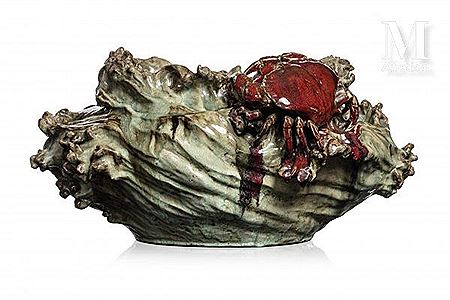
1844 - 1910. Known for: Enameled earthenware vases, clay animal pottery, stoneware objects.
Pierre-Adrien Dalpayrat (1844-1910) is best known for his experimental jewel-like flambé glazes, emulating the mythical Chinese ‘sang-de-boeuf’ glaze so revered by western ceramicists. The variations... Read full biography
Pierre-Adrien Dalpayrat (1844-1910) is best known for his experimental jewel-like flambé glazes, emulating the mythical Chinese ‘sang-de-boeuf’ glaze so revered by western ceramicists. The variations this technique resulted in were endless; he produced distinctive combinations in turquoise,... Read full biography
Pierre-Adrien Dalpayrat (1844-1910) is best known for his experimental jewel-like flambé glazes, emulating the mythical Chinese ‘sang-de-boeuf’ glaze so revered by western ceramicists. The variations this technique resulted in were endless; he produced distinctive combinations in turquoise, amethyst and most famously ‘Dalpayrat Rouge’, often streaked with darker aubergine and browns. His experiments with flambé and his decision to work mainly in stoneware - which had been elevated to an art... Read full biography
Pierre-Adrien Dalpayrat (1844-1910) is best known for his experimental jewel-like flambé glazes, emulating the mythical Chinese ‘sang-de-boeuf’ glaze so revered by western ceramicists. The variations this technique resulted in were endless; he produced distinctive combinations in turquoise, amethyst and most famously ‘Dalpayrat Rouge’, often streaked with darker aubergine and browns. His experiments with flambé and his decision to work mainly in stoneware - which had been elevated to an art medium by this point - no doubt reflected the general excitement and intrigue in the arts of Japan amongst European artists in the 1870s-90s. The Japanese influence is also clearly visible in the forms Dalpayrat produced, the bottle vases and geometric... Read full biography
Pierre-Adrien Dalpayrat (1844-1910) is best known for his experimental jewel-like flambé glazes, emulating the mythical Chinese ‘sang-de-boeuf’ glaze so revered by western ceramicists. The variations this technique resulted in were endless; he produced distinctive combinations in turquoise, amethyst and most famously ‘Dalpayrat Rouge’, often streaked with darker aubergine and browns. His experiments with flambé and his decision to work mainly in stoneware - which had been elevated to an art medium by this point - no doubt reflected the general excitement and intrigue in the arts of Japan amongst European artists in the 1870s-90s. The Japanese influence is also clearly visible in the forms Dalpayrat produced, the bottle vases and geometric shapes for example. However, he became bolder and more eccentric with his forms as his career progressed, often... Read full biography
Pierre Adrien Dalpayrat - Charts
Total Sales Value by Year
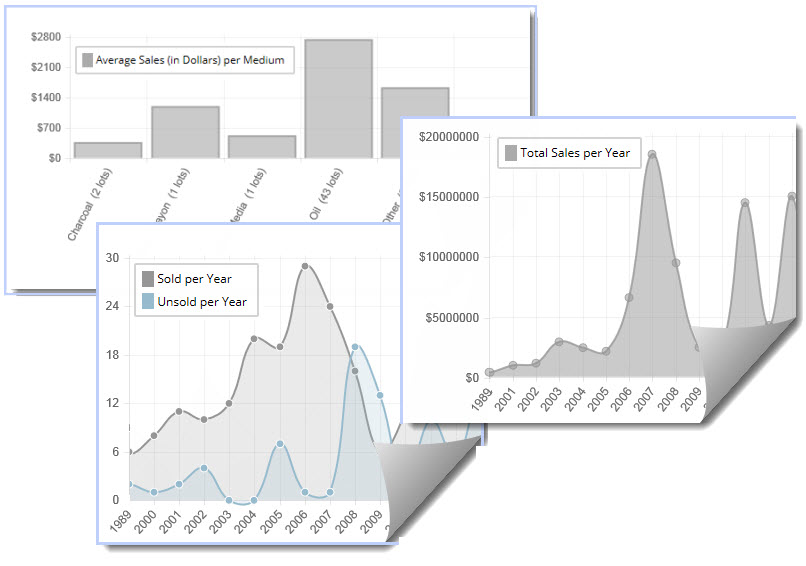
Interactive Chart Available with Membership
askART data for Pierre Adrien Dalpayrat covers 18 years of auction performance with $1,148,648 in total sales.
Please sign in or subscribe to access detailed total sales data, interactive charts, and comprehensive auction performance analysis for Pierre Adrien Dalpayrat.