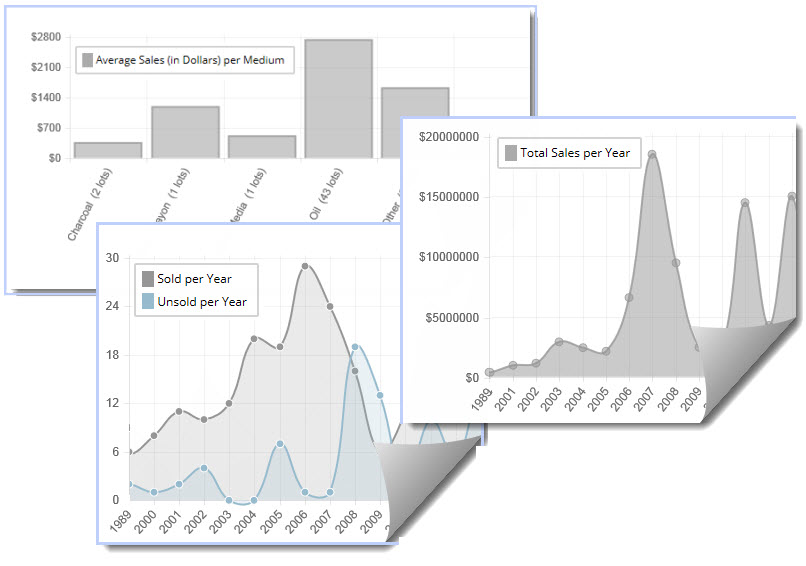
YongYop Hwang PRICE CHARTS
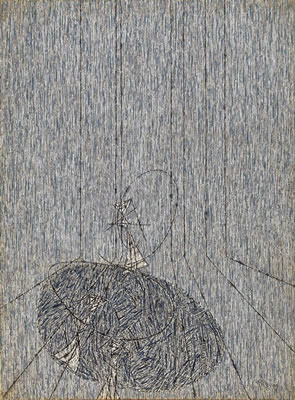
Born 1931 Pyeongyang, North Korea. Known for: Painting.
Hwang Yong-Yop was born in 1931 in Pyeongyang, North Korea. In 1950, the Korean War led him to South Korea, where he attended Hongik University. His life trajectory having been directly affected by... Read full biography
Hwang Yong-Yop was born in 1931 in Pyeongyang, North Korea. In 1950, the Korean War led him to South Korea, where he attended Hongik University. His life trajectory having been directly affected by the doings of history, it is only natural that his work is the outcome of his experience and deep raw... Read full biography
Hwang Yong-Yop was born in 1931 in Pyeongyang, North Korea. In 1950, the Korean War led him to South Korea, where he attended Hongik University. His life trajectory having been directly affected by the doings of history, it is only natural that his work is the outcome of his experience and deep raw emotions. Going independent from the flow of various abstract trends in the local art scene in Korea at the time, Hwang developed a unique figurative style by incorporating elements of traditional... Read full biography
Hwang Yong-Yop was born in 1931 in Pyeongyang, North Korea. In 1950, the Korean War led him to South Korea, where he attended Hongik University. His life trajectory having been directly affected by the doings of history, it is only natural that his work is the outcome of his experience and deep raw emotions. Going independent from the flow of various abstract trends in the local art scene in Korea at the time, Hwang developed a unique figurative style by incorporating elements of traditional Korean history and culture.
Hwang Yong-Yop was born in 1931 in Pyeongyang, North Korea. In 1950, the Korean War led him to South Korea, where he attended Hongik University. His life trajectory having been directly affected by the doings of history, it is only natural that his work is the outcome of his experience and deep raw emotions. Going independent from the flow of various abstract trends in the local art scene in Korea at the time, Hwang developed a unique figurative style by incorporating elements of traditional Korean history and culture.