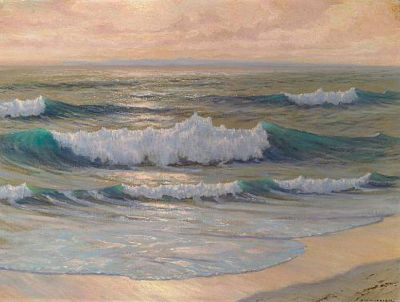
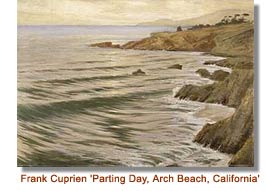
Frank William Cuprien
1871 - 1948 • California, New York / Germany
Seascape, landscape and coastal view painting
Explore art topics, subjects, and themes throughout art history
The California Art Club is today one of the United States' largest and most active professional art organizations, with over 2,500 members. The CAC's history began in 19061 when a group of ten painters met at the studio of William Swift Daniell (1865-1933) and formed a social association, the Painters Club of Los Angeles. Their goal was "to meet in the spirit of comradeship and good temper for mutual criticism and suggestion on one another's recent work." Antony Anderson, art critic for the Los Angeles Times, was also invited to be a founding member. All ten artists were men, no women were allowed.
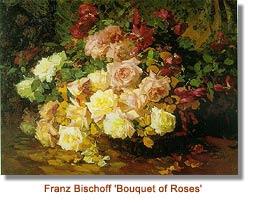 After
a few years, the Painters Club went out of existence, its members feeling it
had outgrown its usefulness. In 1909, a small group of respected California
artists, the early California Impressionists or plein-air painters, many
of who had belonged to the former association, gathered at the South Pasadena
studio of
Franz Bischoff (1864-1929). Among the group were
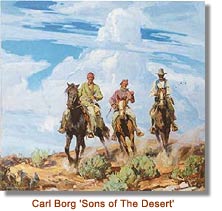
Carl Oscar Borg (1879-1947),
William Wendt (1865-1946), and
Jack Wilkinson Smith (1873-1949). Discussing the need
to establish a fellowship for artists living in the Southern California area to
share thoughts and
to exhibit together, they decided to form the California Art Club, and chose
Frank R. Liddell, a businessman and part time painter,
as their first president. No longer limited to male painters, the Club threw
open its doors to women and sculptors.
After
a few years, the Painters Club went out of existence, its members feeling it
had outgrown its usefulness. In 1909, a small group of respected California
artists, the early California Impressionists or plein-air painters, many
of who had belonged to the former association, gathered at the South Pasadena
studio of
Franz Bischoff (1864-1929). Among the group were
Carl Oscar Borg (1879-1947),
William Wendt (1865-1946), and
Jack Wilkinson Smith (1873-1949). Discussing the need
to establish a fellowship for artists living in the Southern California area to
share thoughts and
to exhibit together, they decided to form the California Art Club, and chose
Frank R. Liddell, a businessman and part time painter,
as their first president. No longer limited to male painters, the Club threw
open its doors to women and sculptors.
 Most
of the founding members of the California Art Club were originally from the
East Coast or Mid-Western states, and many had emigrated from Europe. The lure
of California's magnificent landscapes and year-round sunshine drew them all
together. Although most of these artists were trained in the art academies of
Europe or the prestigious Chicago Art Institute, they together developed a
style of painting that is today considered unique to California.
Most
of the founding members of the California Art Club were originally from the
East Coast or Mid-Western states, and many had emigrated from Europe. The lure
of California's magnificent landscapes and year-round sunshine drew them all
together. Although most of these artists were trained in the art academies of
Europe or the prestigious Chicago Art Institute, they together developed a
style of painting that is today considered unique to California.
Under the leadership of William Wendt, who was elected president in 1911 and served for six years, the California Art Club quickly became a powerful and prestigious institution that was recognized as a cultural authority on the West Coast. By 1911, the California Art Club had acquired a gallery in the Hotel Ivins on Tenth and Figueroa Streets, where it hosted its first annual exhibition. Under Wendt's leadership, the club sponsored two exhibitions each year.
Starting in 1913, and continuing for many years, the Club held annual exhibitions in the 'Los Angeles Museum of History, Science and Art' in Exposition Park. The History and Science portion evolved into the 'Natural History Museum of Los Angeles County'. The 'Art' collection of the museum was separated in 1965, moved to Wilshire Boulevard and re-named the 'Los Angeles County Museum of Art'.
 About
1914, Southern California Impressionists received an infusion of energy from
American expatriates returning at the onset of World War I. The most important
arrival was California-born
Guy Rose (1867-1925), who had been in residence with
Monet at Giverny, France, and who continued in the Impressionist style when he
returned to California. His roots were deep in the region, as his father had
led a wagon train to California in 1861 and then established a successful ranch
in the San Gabriel valley, where
Guy Rose was born.
About
1914, Southern California Impressionists received an infusion of energy from
American expatriates returning at the onset of World War I. The most important
arrival was California-born
Guy Rose (1867-1925), who had been in residence with
Monet at Giverny, France, and who continued in the Impressionist style when he
returned to California. His roots were deep in the region, as his father had
led a wagon train to California in 1861 and then established a successful ranch
in the San Gabriel valley, where
Guy Rose was born.
The final impetus for Southern California artists adopting Impressionism came from the paintings shown at the 1915 Panama-Pacific Exposition in San Francisco. The large display had the same artistic shock value to California artists as the 1913 Armory Show of modern art had to East Coast and Midwest artists. The Exposition also brought in East Coast Impressionist painters. In fact, West Coast landscape painters were being bombarded by Impressionist influences, including a 1913 exhibition at the Los Angeles Museum of History, Science, and Art of contemporary American Impressionists.
 The
Club's early membership included such luminaries ahttps://www.askart.coms
Edgar Payne (1883-1947),
Granville Redmond (1871-1935), the above-mentioned
Guy Rose, and
Marion Wachtel (1876-1954).
Hanson Duvall Puthuff (1875-1972), an activist in the
art community, was also involved in the formation of the Club, as he had been
with the organization of the Art Students League of Los Angeles. Of the spring
1917 exhibition of the California Art Club, critic Antony Anderson wrote in the Los
Angeles Times "...there was a time when artists thought they could paint
without light and when air was hardly considered. That time seems prehistoric
to us now, but it was really only a few years ago. Today the search for light
and air is pursued with enthusiasm and we refuse to consider seriously the
picture that is without them." During the 1920s the California Art Club
thrived and was a key part of the flourishing of landscape painting in Southern
California. Factors contributing to this flourishing were the relatively easy
and cheap living, an environment that gave free rein to creativity, and Antony
Anderson's supportive reviews in the L.A. Times.
The
Club's early membership included such luminaries ahttps://www.askart.coms
Edgar Payne (1883-1947),
Granville Redmond (1871-1935), the above-mentioned
Guy Rose, and
Marion Wachtel (1876-1954).
Hanson Duvall Puthuff (1875-1972), an activist in the
art community, was also involved in the formation of the Club, as he had been
with the organization of the Art Students League of Los Angeles. Of the spring
1917 exhibition of the California Art Club, critic Antony Anderson wrote in the Los
Angeles Times "...there was a time when artists thought they could paint
without light and when air was hardly considered. That time seems prehistoric
to us now, but it was really only a few years ago. Today the search for light
and air is pursued with enthusiasm and we refuse to consider seriously the
picture that is without them." During the 1920s the California Art Club
thrived and was a key part of the flourishing of landscape painting in Southern
California. Factors contributing to this flourishing were the relatively easy
and cheap living, an environment that gave free rein to creativity, and Antony
Anderson's supportive reviews in the L.A. Times.
 The
early 1920s marked the high point of the California Art Club. With the success
of the CAC's quality group exhibitions, the supporting 'Patron' membership grew
to include many of southern California's leading citizens. Among the Patron
members was Aline Barnsdall, heir to an oil fortune, who in 1926 gave her
magnificent home, Hollyhock House, designed by Frank Lloyd Wright, to the
California Art Club as their headquarters for a fifteen-year term. Situated on
eight acres of land, the property included several galleries, a concert hall,
and an outdoor theater. Beginning in 1927, exhibitions, lectures and gala
social functions were held at Hollyhock House for many years. Sadly though,
after the 1929 stock market crash, World War II, and the onset of international
modernism, the Club's status and membership declined. Almost overnight, the
dynamic artist-dealer-patron relationship ground to a halt as much of America's
disposable income vanished. Traditional art was considered conservative and
passe, no longer in vogue, and the CAC's membership dwindled to a small group
that consisted largely of Sunday painters. The time of the
Impressionist-inspired plein air painters who had defined the first decades of
the twentieth century in California, such as
Granville Redmond (1871-1935), a master of serene and
panoramic scenes, had passed. Others, such as
Guy Rose and
Franz Bischoff, had died.
The
early 1920s marked the high point of the California Art Club. With the success
of the CAC's quality group exhibitions, the supporting 'Patron' membership grew
to include many of southern California's leading citizens. Among the Patron
members was Aline Barnsdall, heir to an oil fortune, who in 1926 gave her
magnificent home, Hollyhock House, designed by Frank Lloyd Wright, to the
California Art Club as their headquarters for a fifteen-year term. Situated on
eight acres of land, the property included several galleries, a concert hall,
and an outdoor theater. Beginning in 1927, exhibitions, lectures and gala
social functions were held at Hollyhock House for many years. Sadly though,
after the 1929 stock market crash, World War II, and the onset of international
modernism, the Club's status and membership declined. Almost overnight, the
dynamic artist-dealer-patron relationship ground to a halt as much of America's
disposable income vanished. Traditional art was considered conservative and
passe, no longer in vogue, and the CAC's membership dwindled to a small group
that consisted largely of Sunday painters. The time of the
Impressionist-inspired plein air painters who had defined the first decades of
the twentieth century in California, such as
Granville Redmond (1871-1935), a master of serene and
panoramic scenes, had passed. Others, such as
Guy Rose and
Franz Bischoff, had died.
 In
1942, the Club's tenure on Hollyhock House ran out, and it was turned over to
the city of Los Angeles to become the Municipal Art Gallery. The California Art
Club, however, did not completely perish, but for fifty years was nearly
inactive and continued only as a small group of professional artists and
amateur painters.
In
1942, the Club's tenure on Hollyhock House ran out, and it was turned over to
the city of Los Angeles to become the Municipal Art Gallery. The California Art
Club, however, did not completely perish, but for fifty years was nearly
inactive and continued only as a small group of professional artists and
amateur painters.
1990s Revival & the Club Today
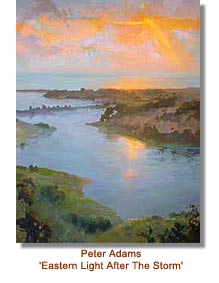
In 1993 artist Peter Adams (b. 1950) was asked by Patron member Verna Gunther to help revive the California Art Club. Together with his wife, Elaine Adams, their vision to restore “traditional” art to a high standard became realized as they implemented their revival plan. With the help of fellow artists Dan Goozeé (b. 1943), Steve Huston (b. 1959), Stephen Mirich (b. 1954), Daniel W. Pinkham (b. 1952), Tim Solliday, (b. 1952) and William Stout (b. 1949), they recruited top artists from Northern to Southern California. Selected artists residing outside California were also invited to join as 'out-of-state artist' members. Adams also encouraged art historians, collectors, dealers, and art conservators to join as patron members.
 Club
President Peter Adams today states," A major tenet of the California Art Club is
to look to our heritage for inspiration and guidance brought through the
knowledge of artistic techniques nearly forgotten. The intention of the
California Art Club is to encourage the education and continuation of fine
traditional art by inviting the public to witness the evolution of our artists'
new timeless creations." Adams continues, "Traditional art is now the
new avant garde."
Club
President Peter Adams today states," A major tenet of the California Art Club is
to look to our heritage for inspiration and guidance brought through the
knowledge of artistic techniques nearly forgotten. The intention of the
California Art Club is to encourage the education and continuation of fine
traditional art by inviting the public to witness the evolution of our artists'
new timeless creations." Adams continues, "Traditional art is now the
new avant garde."
The California Art
Club represents painters and sculptors working in a variety of traditional
styles. The philosophy of traditional aesthetics encompasses academic
draughtsmanship, knowledge of proportions, perspective, composition, harmony
and design as defined by the classic Greeks and Romans. Many of the early
classical techniques were forgotten until they were realized again by the
masters of the Italian Renaissance, and further developed by the European
Academies of the 19th century. The California Art Club champions these artistic
ideals and embraces a variety of artistic expressions from classical drawing to
impressionistic techniques. Artist members are juried into the organization,
and must be California residents. Out-of-state artist members are included by
invitation only.
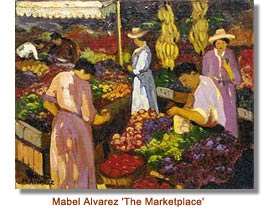 In
his book California Impressionism, co-authored with William Gerdts, art
scholar Will South defines the early California Art Club as "the single most
powerful political force in the annals of California Impressionism," and the
list of members reads like a Who's Who of California art. In addition to those
already mentioned, other early members included
Mabel Alvarez (1891-1985),
Maurice Braun (1877-1941),
Benjamin Chambers Brown (1865-1942),
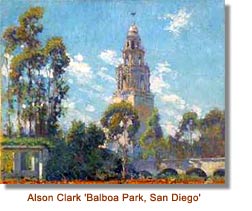
Alson Skinner Clark (1876-1975),
Frank Cuprien (1871-1948),
Samuel Hyde Harris (1889-1977),
Anna Althea Hills (1882-1930),
Paul Lauritz (1889-1975),
Jean Mannheim (1863-1945),
William Ritschel (1864-1949),
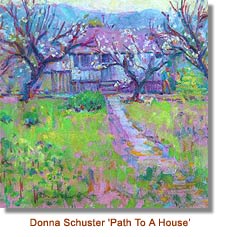
Donna Norine Schuster (1883-1953),
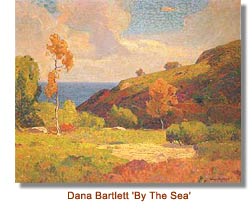
Dana Bartlett (1882-1957),
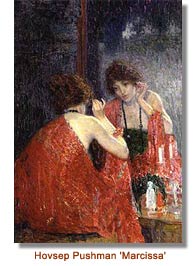
Hovsep Pushman (1877-1966), who was awarded the CAC's
Ackerman Prize in 1918, and
George Gardner Symons (1861-1930). Publications
on the California Art Club include Susan Landauer's eight-page article in the
February-March 1996 issue of American Art Review, and Nancy Moure's
essay in Impressions of California: Early Currents in Art, 1850-1930,
published in 1996 by the Irvine Museum.
In
his book California Impressionism, co-authored with William Gerdts, art
scholar Will South defines the early California Art Club as "the single most
powerful political force in the annals of California Impressionism," and the
list of members reads like a Who's Who of California art. In addition to those
already mentioned, other early members included
Mabel Alvarez (1891-1985),
Maurice Braun (1877-1941),
Benjamin Chambers Brown (1865-1942),
Alson Skinner Clark (1876-1975),
Frank Cuprien (1871-1948),
Samuel Hyde Harris (1889-1977),
Anna Althea Hills (1882-1930),
Paul Lauritz (1889-1975),
Jean Mannheim (1863-1945),
William Ritschel (1864-1949),
Donna Norine Schuster (1883-1953),
Dana Bartlett (1882-1957),
Hovsep Pushman (1877-1966), who was awarded the CAC's
Ackerman Prize in 1918, and
George Gardner Symons (1861-1930). Publications
on the California Art Club include Susan Landauer's eight-page article in the
February-March 1996 issue of American Art Review, and Nancy Moure's
essay in Impressions of California: Early Currents in Art, 1850-1930,
published in 1996 by the Irvine Museum.
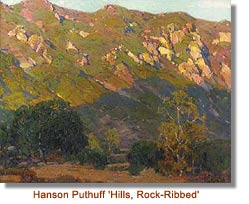 Since
its founding in 1909, the California Art Club has been based in the Los Angeles
area, and it was not until 1998 that the organization formed its first chapter.
Under the leadership of artist-member Aaron St. John, the San Diego chapter was
developed. Despite being centered in Los Angeles, the California Art Club had
exerted a strong influence on the early foundations of San Diego's fine art
community. Major exhibitions were held in San Diego and active and influential
local CAC members were dedicated to bringing cultural life to San Diego while
painting the San Diego scene. When plans were made for the Panama-California
Exposition of 1915, it was the California Art Club that was asked to mount the
juried Fine Art Exhibition. Seminal San Diego painters and California Art Club
members Maurice Braun
(1877-1941) and
Charles A. Fries (1854-1940) won Gold and Silver
medals, respectively, in the exhibition.
Alfred Richard Mitchell (1888-1972), a student of
Braun's and later a Club member, also won a Silver Medal. CAC member
Joseph Sharp (1859-1953) was also represented in the
sister art exhibition featuring
Robert Henri and some of his followers.
Since
its founding in 1909, the California Art Club has been based in the Los Angeles
area, and it was not until 1998 that the organization formed its first chapter.
Under the leadership of artist-member Aaron St. John, the San Diego chapter was
developed. Despite being centered in Los Angeles, the California Art Club had
exerted a strong influence on the early foundations of San Diego's fine art
community. Major exhibitions were held in San Diego and active and influential
local CAC members were dedicated to bringing cultural life to San Diego while
painting the San Diego scene. When plans were made for the Panama-California
Exposition of 1915, it was the California Art Club that was asked to mount the
juried Fine Art Exhibition. Seminal San Diego painters and California Art Club
members Maurice Braun
(1877-1941) and
Charles A. Fries (1854-1940) won Gold and Silver
medals, respectively, in the exhibition.
Alfred Richard Mitchell (1888-1972), a student of
Braun's and later a Club member, also won a Silver Medal. CAC member
Joseph Sharp (1859-1953) was also represented in the
sister art exhibition featuring
Robert Henri and some of his followers.
Since the creation of the San Diego chapter, additional chapters have been formed to serve the communities of Santa Barbara, San Francisco, Kern County, Malibu/Ventura County, Orange County, Greater Sacramento Sierra and Palm Springs.
In the fall of 1999, the Club opened the California Art Club Gallery in the Old Mill building in San Marino, California. The Old Mill was built in 1816 as a gristmill to Mission San Gabriel and is believed to be the oldest commercial building in Southern California. The Mill's diverse history includes its grain production for the Spanish Franciscan Padres, a private residence for several owners including descendants of Henry Huntington, and even a golf clubhouse.
 With professional
artist members from Northern to Southern California, the contemporary heirs of
the original California Art Club have expanded upon a tradition of art that is
wholly Californian. The founding members would no doubt be proud of the part
their Club has played in the revival of traditional fine art.
With professional
artist members from Northern to Southern California, the contemporary heirs of
the original California Art Club have expanded upon a tradition of art that is
wholly Californian. The founding members would no doubt be proud of the part
their Club has played in the revival of traditional fine art.
Eric Merrell, archivist of the California Art Club, wrote in the CAC Newsletter, Spring 2009: “The Painters' Club of Los Angeles also has predecessors - there is a common thread back to the Richmond Art Association, and even further back to the Rambler's Sketch Club, both in Richmond, Indiana. Albert Clinton Conner (1848-1929) is this connection. He and his brother Charles Conner (1857-1905), along with Frank Joseph Girardin (1856-1945) and Micajah Thomas Nordyke (1847-1919), founded the Rambler's Sketch Club c.1881, and soon added John Elwood Bundy (1853-1933) to their group. The Rambler's Sketch Club later metamorphosed into the Richmond Art Association (founded 1898, but had exhibited art in schools as early as 1896), which subsequently became the Richmond Art Museum of today. After Albert Clinton Conner moved to California, he helped to found the Painters' Club, and used the models of the two previous art clubs.”
If you have information to contribute on this subject, contact us via email: registrar@AskART.com
Sources: Antony Anderson, "The Painter From Indiana," Los Angeles Times, May 7, 1911; pg. III22; Email to author from Shaun Dingwerth, Executive Director of the Richmond Art Museum, September 11, 20081871 - 1948 • California, New York / Germany
Seascape, landscape and coastal view painting
1885 - 1951 • Colorado, Utah, California, Minnesota
Indian-western genre and horse painting
1872 - 1930 • Massachusetts, California
Sea-landscape, portrait, still life
Born 1957 • California, Arizona
Landscape, portrait and figure painting
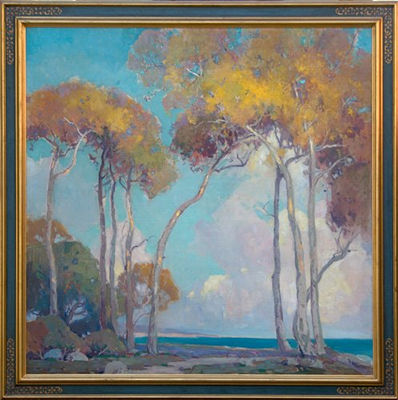
1883 - 1969 • California, Illinois
Landscape and genre painting, textile design, interior decoration
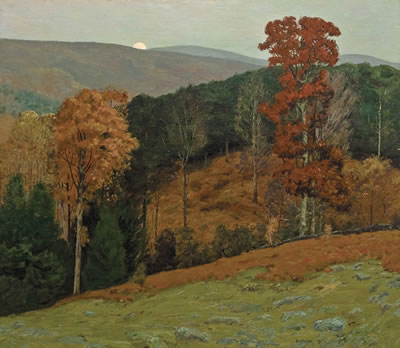
1852 - 1926 • Connecticut, New York, Maine
New England rural landscape painting, writing
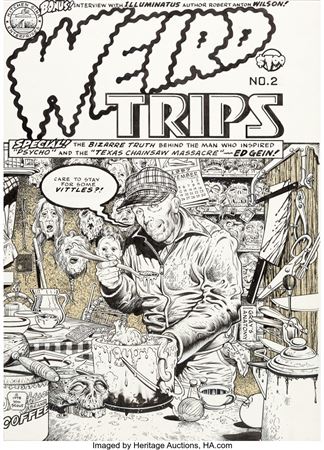
Born 1949 • California
Magazine, books, comic strips, movie poster and dinosaur illustration
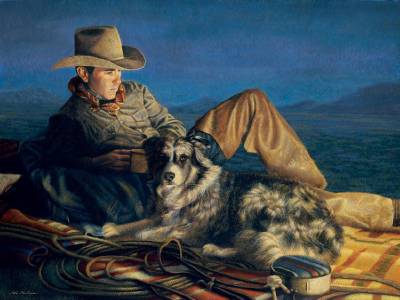
1871 - 1935 • California
Wildfloral landscape and marine painting
1893 - 1976 • California / Sweden
Portrait, female figures, nudes and desert landscape painting
1875 - 1949 • Massachusetts, California
Portrait, landscape, religious, genre
20th century • California
Sculpture-portrait, figure
Born 1958 • California, New York
Impressionist plein-air landscape and portrait painting
1891 - 1981 • California, Missouri
Regionalist painting, lithographs, teaching
1933 - 2012 • Massachusetts, California
Landscape, figure and floral still-life painting, teaching
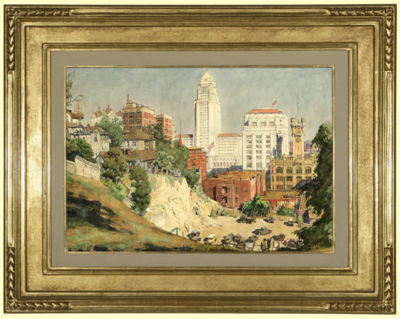
1903 - 1968 • California
Regional landscape, figure-nude and still life painting
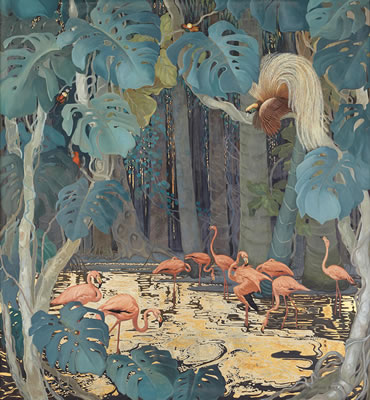
1883 - 1971 • California, Illinois
Easel paintings of peacocks, florals and landscapes, murals
1906 - 1999 • California, Indiana
Town-landscape painting, illustration, cartooning
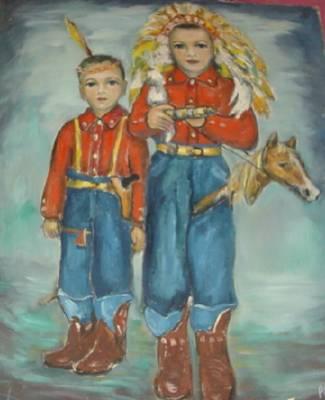
1848 - 1929 • Indiana, California
Landscape and marine painting
Born 1959 • Colorado, New Mexico
Plein-aire painting, commercial illustration
1887 - 1948 • California, New Mexico
Sculptor-mod figure
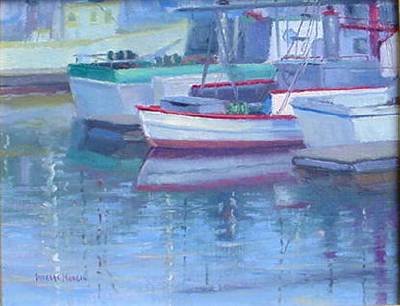
1948 - 2021 • California, Ohio
Cityscape, interior, and landscape painting, teaching
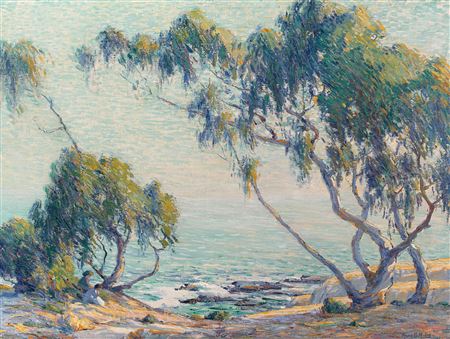
1882 - 1930 • California, Ohio
Landscape, marine, genre and figure painting
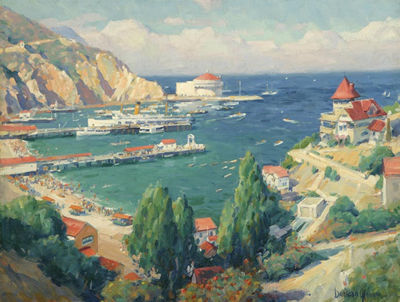
1881 - 1959 • California, New York
Marine, landscape and portrait painting
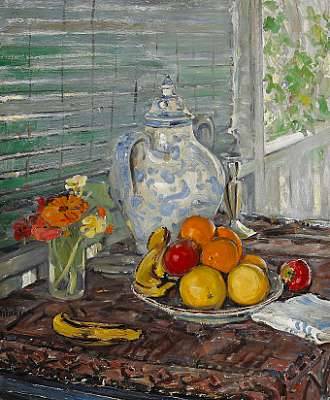
1880 - 1960 • California
Landscape, still life and portrait painting
1888 - 1986 • California, Massachusetts, Connecticut
Portrait, landscape and genre painting, teaching
Born 1954 • Maryland, Colorado / France
Marine and landscape painting, sculpture
1877 - 1966 • New York, California / Armenia
Oriental-motif still life and figure painting
1879 - 1943 • New York, California, Florida / China, Philippines
Western landscape, treescape painting, murals
1875 - 1950 • California, Missouri
Desert and mountain landscape, marine
1885 - 1974 • California, Michigan
Modernist figure, genre and floral painting, illustration
Born 1964 • California, Alaska / Russian Federation
Landscape, interior with figure and genre painting
1859 - 1955 • California, Florida
Coastal view, landscape, marine-harbor painting
- untitled landscape (mt. baldy)_wc_6x14_collection of cac_2008 gift of peter and elaine adams.jpg)
1904 - 1973 • California, Maine
Regional scene easel and mural painting, teaching, illustration
1892 - 1981 • California, Kansas
Sculptor-public, figure sketches
1880 - 1963 • California, New York / Canada
Modernist landscape, figure, and portrait painting, murals
1864 - 1949 • New York, California / Germany
Marine, seascape, landscape, figure painting
1883 - 1953 • California, Massachusetts, Wisconsin
Portrait, harbor-scape and still life painting
1868 - 1923 • California
Modernist townscape, still life and portrait painting, poetry writing
1883 - 1947 • California, Missouri
Western landscape and waterscape painting
Showing 50 artists