Born in Guatemala but spending most of his career in Mexico, Carlos Merida first established a reputation as a figurative painter beginning 1907, but in 1927, he abandoned that approach to become one... Read full biography
Born in Guatemala but spending most of his career in Mexico, Carlos Merida first established a reputation as a figurative painter beginning 1907, but in 1927, he abandoned that approach to become one of the pioneering non-figurative, geometric abstract artists in Mexico. In the 1920s, he also went... Read full biography
Born in Guatemala but spending most of his career in Mexico, Carlos Merida first established a reputation as a figurative painter beginning 1907, but in 1927, he abandoned that approach to become one of the pioneering non-figurative, geometric abstract artists in Mexico. In the 1920s, he also went through a Surrealist phase. One of his unique contributions to art in the Americas was fusing elements of that culture to what he had learned from European modernists. He also did artwork with... Read full biography
Born in Guatemala but spending most of his career in Mexico, Carlos Merida first established a reputation as a figurative painter beginning 1907, but in 1927, he abandoned that approach to become one of the pioneering non-figurative, geometric abstract artists in Mexico. In the 1920s, he also went through a Surrealist phase. One of his unique contributions to art in the Americas was fusing elements of that culture to what he had learned from European modernists. He also did artwork with geometric symbolism linked to the Mayan culture, and incorporated barkwood paper into his paintings. From 1908 to 1914, he was in Europe including four years in Paris, beginning 1910 where he associated with avant-garde artists including Pablo Picasso and... Read full biography
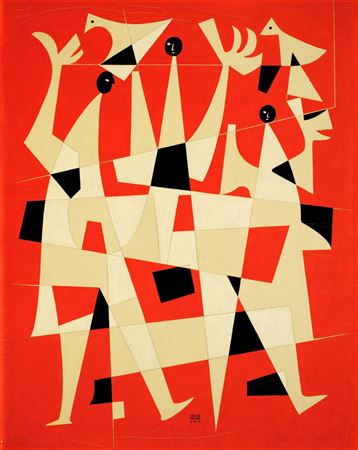
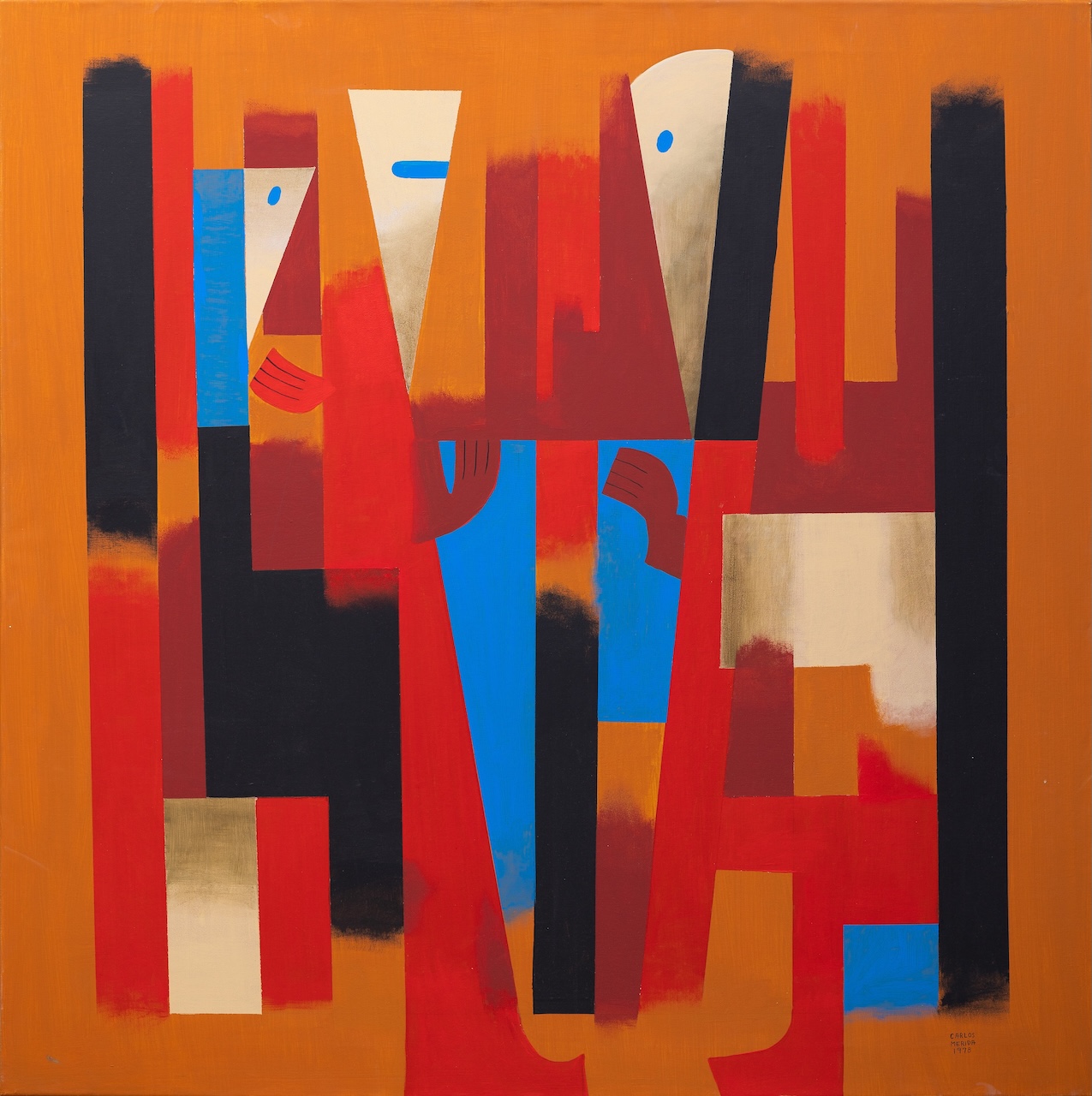
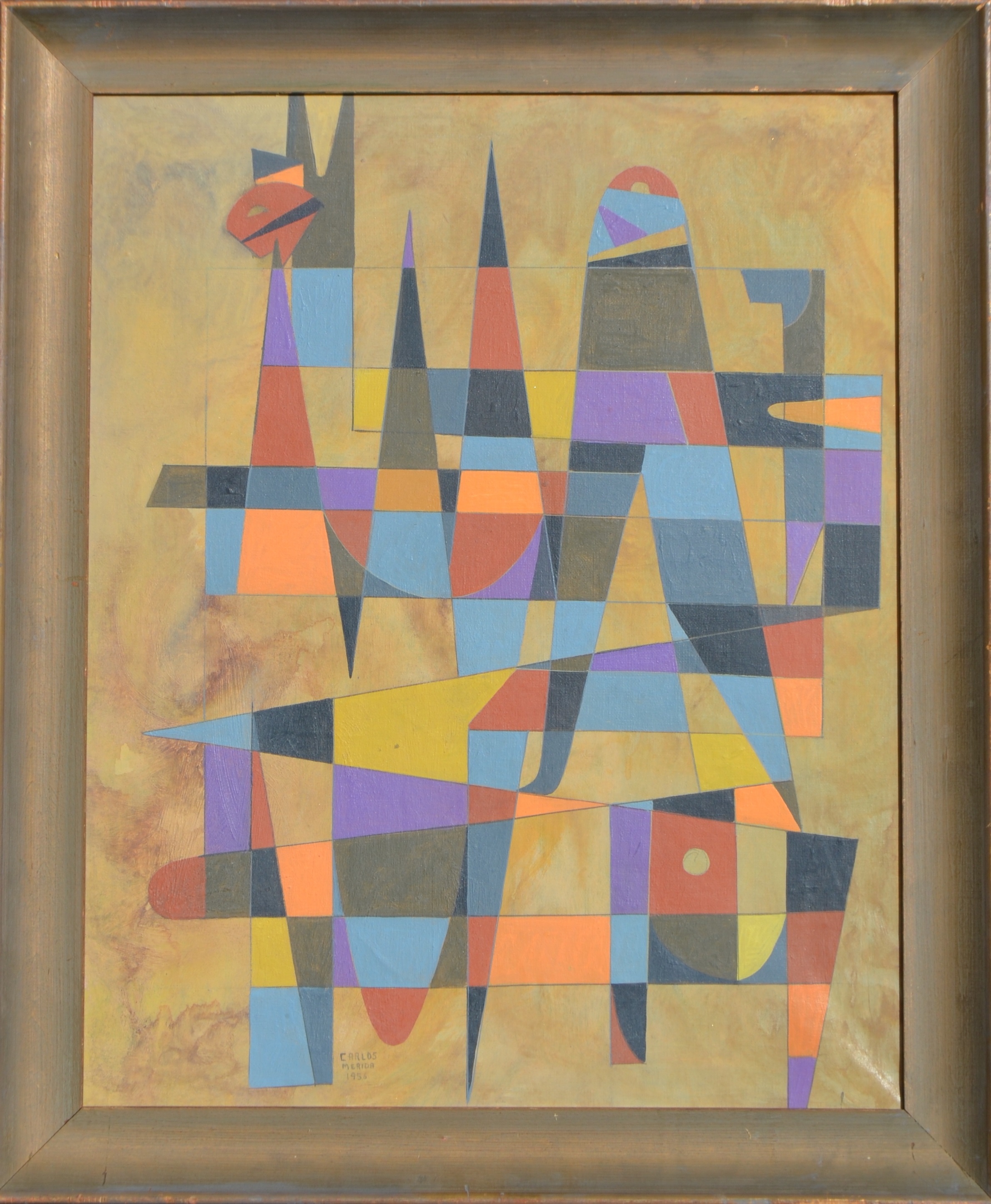
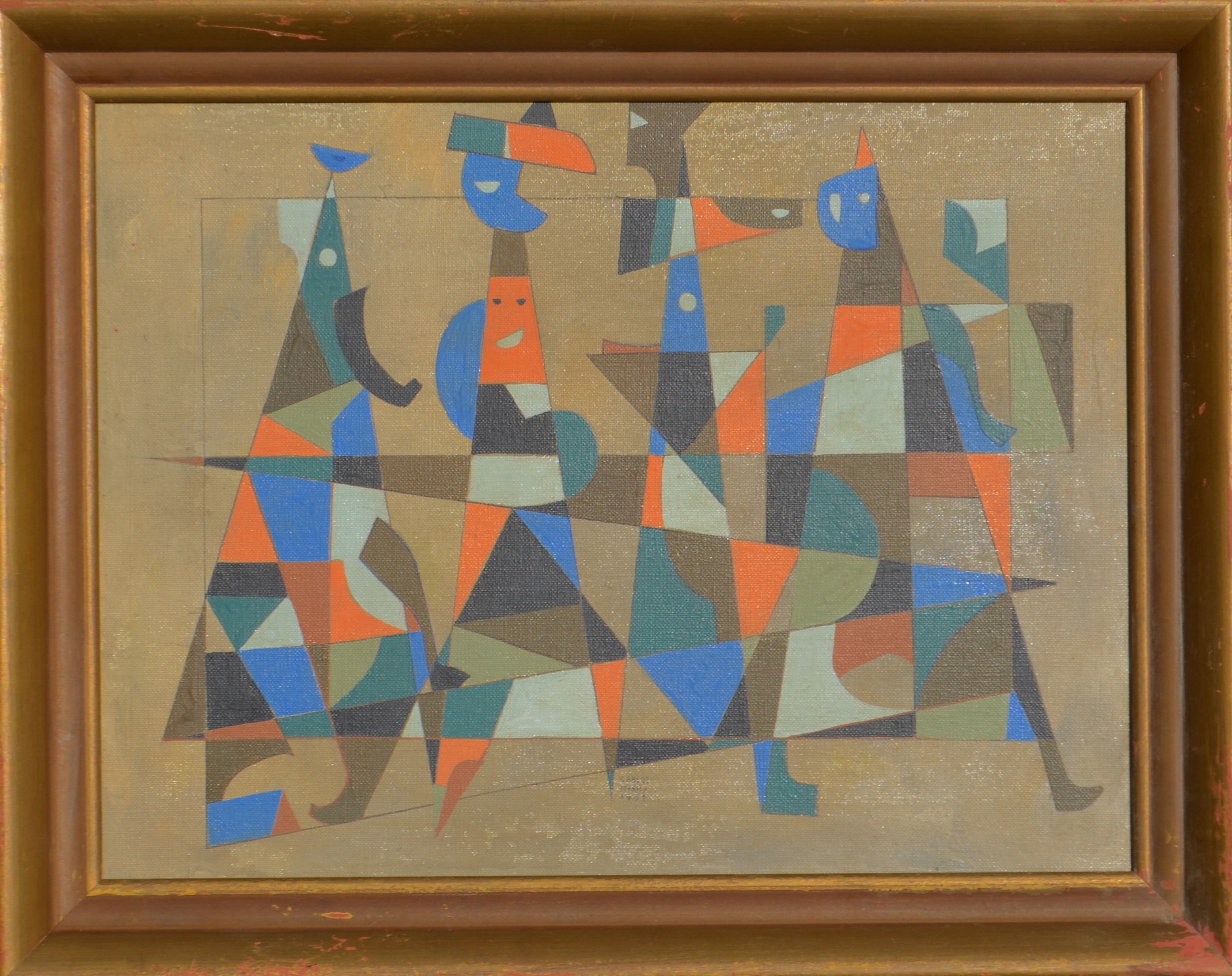
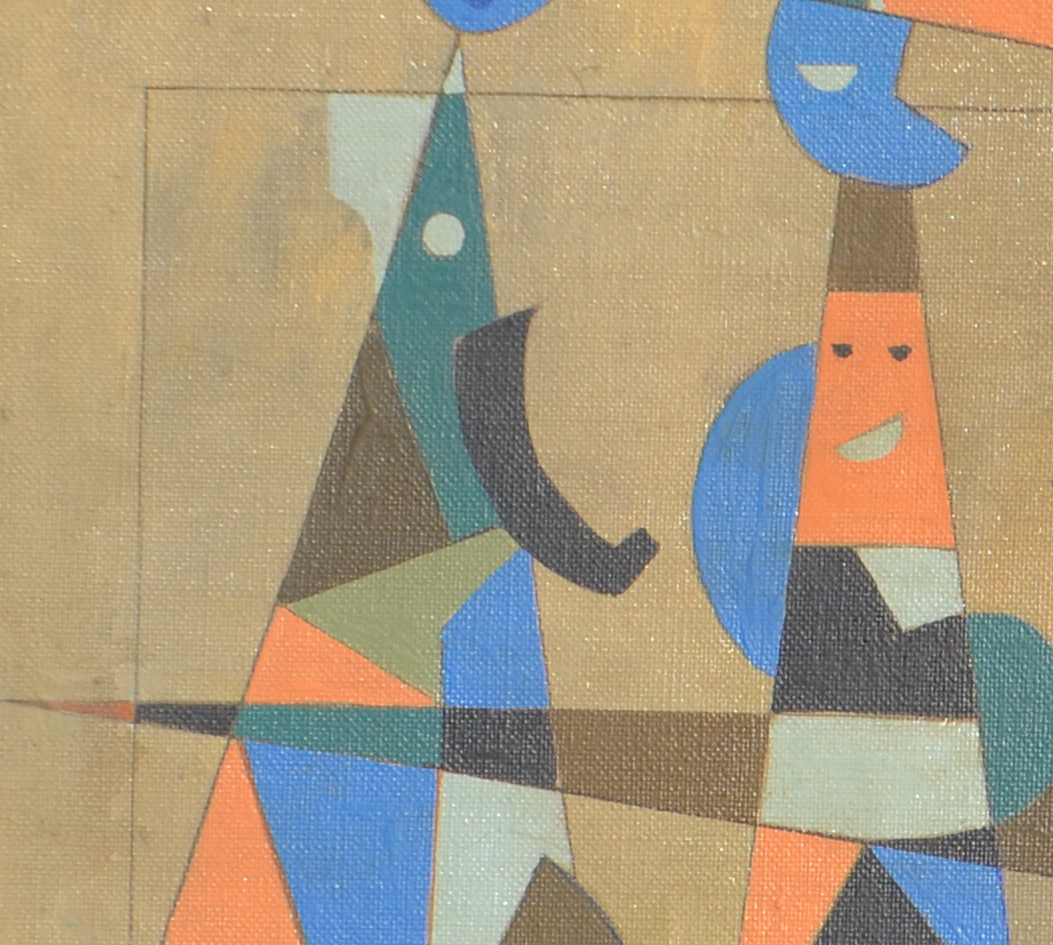
Born in Guatemala but spending most of his career in Mexico, Carlos Merida first established a reputation as a figurative painter beginning 1907, but in 1927, he abandoned that approach to become one of the pioneering non-figurative, geometric abstract artists in Mexico. In the 1920s, he also went through a Surrealist phase. One of his unique contributions to art in the Americas was fusing elements of that culture to what he had learned from European modernists. He also did artwork with geometric symbolism linked to the Mayan culture, and incorporated barkwood paper into his paintings. From 1908 to 1914, he was in Europe including four years in Paris, beginning 1910 where he associated with avant-garde artists including Pablo Picasso and Amadeo Modigliani. He studied with Hermengildo Anglade y Camarosa and Kees Van Dongen. His... Read full biography