c. 1610/20 Utrecht, Holland - 1658. Known for: Landscape, figure, allegorcal paintings.
Born in Utrecht, the painter Abraham van Cuylenborch was a student of Cornelis van Poelenburgh (1594/95-1667). He became a member of the local St. Luke guild in 1639 and was definitely active in...
Read full biography Born in Utrecht, the painter Abraham van Cuylenborch was a student of Cornelis van Poelenburgh (1594/95-1667). He became a member of the local St. Luke guild in 1639 and was definitely active in Utrecht until 1651. A specialized landscape painter, van Cuylenborch was particularly interested in the...
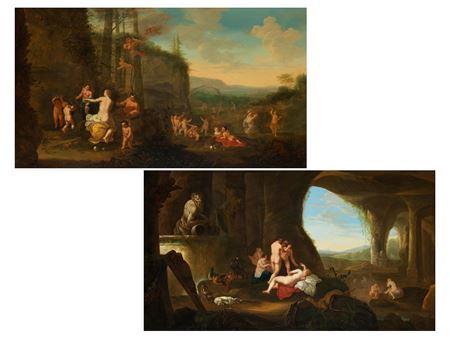
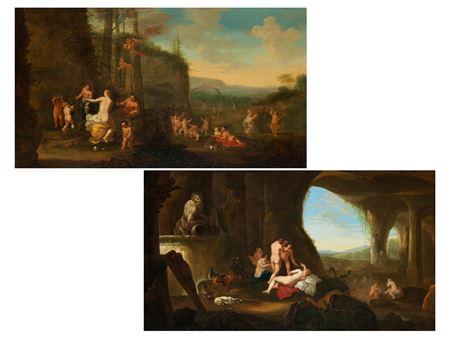
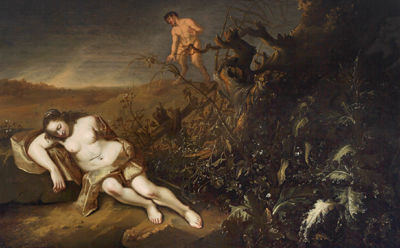
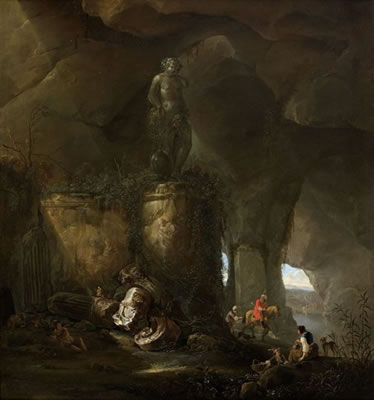
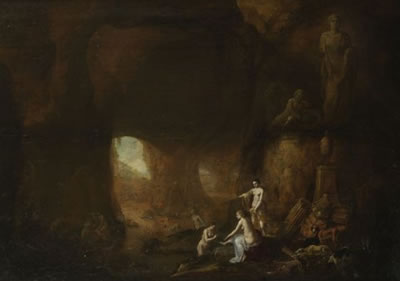
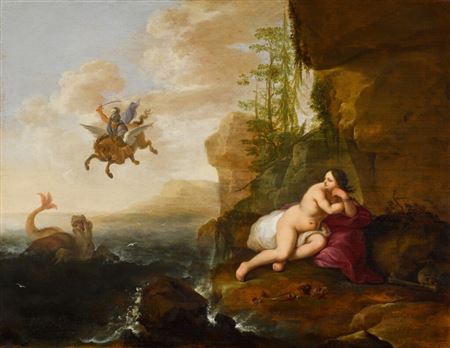
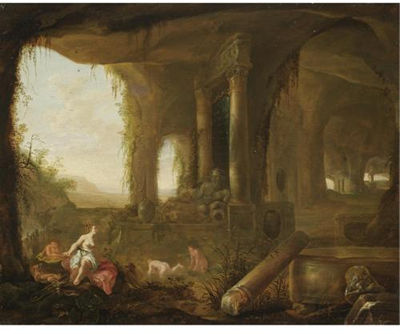
Read full biography Born in Utrecht, the painter Abraham van Cuylenborch was a student of Cornelis van Poelenburgh (1594/95-1667). He became a member of the local St. Luke guild in 1639 and was definitely active in Utrecht until 1651. A specialized landscape painter, van Cuylenborch was particularly interested in the depiction of ‘grotjes’ (caves), often bathing nymps in grottos, which he often animated with mythological scenes. A selection of his works is today preserved, for instance, at the Bayerische...
Read full biography Born in Utrecht, the painter Abraham van Cuylenborch was a student of Cornelis van Poelenburgh (1594/95-1667). He became a member of the local St. Luke guild in 1639 and was definitely active in Utrecht until 1651. A specialized landscape painter, van Cuylenborch was particularly interested in the depiction of ‘grotjes’ (caves), often bathing nymps in grottos, which he often animated with mythological scenes. A selection of his works is today preserved, for instance, at the Bayerische Staatsgemälde Sammlungen in Munich, at the Von der Heydt Museum in Wuppertal and at the Städel in Frankfurt.
Born in Utrecht, the painter Abraham van Cuylenborch was a student of Cornelis van Poelenburgh (1594/95-1667). He became a member of the local St. Luke guild in 1639 and was definitely active in Utrecht until 1651. A specialized landscape painter, van Cuylenborch was particularly interested in the depiction of ‘grotjes’ (caves), often bathing nymps in grottos, which he often animated with mythological scenes. A selection of his works is today preserved, for instance, at the Bayerische Staatsgemälde Sammlungen in Munich, at the Von der Heydt Museum in Wuppertal and at the Städel in Frankfurt.