Born 1944. Known for: Painting and sculpture.
Alfonso Borghi (b. 1944) . He was born in Northern Italy in 1944. At the age of 18 he had his first exhibition. He found his early inspiration in the paintings of the Quattrocento. During a short...
Read full biography Alfonso Borghi (b. 1944) . He was born in Northern Italy in 1944. At the age of 18 he had his first exhibition. He found his early inspiration in the paintings of the Quattrocento. During a short stay in Paris he studied the cubist movement, especially the works by Picasso. Back in Italy he met...
Read full biography Alfonso Borghi (b. 1944) . He was born in Northern Italy in 1944. At the age of 18 he had his first exhibition. He found his early inspiration in the paintings of the Quattrocento. During a short stay in Paris he studied the cubist movement, especially the works by Picasso. Back in Italy he met George Pielmann, a pupil of Oscar Kokoschka, and was introduced to expressionism. Borghi rose to fame quickly in Italy. In the 1990s he started exhibiting his works abroad, in Paris, Tokyo and New York....
Read full biography Alfonso Borghi (b. 1944) . He was born in Northern Italy in 1944. At the age of 18 he had his first exhibition. He found his early inspiration in the paintings of the Quattrocento. During a short stay in Paris he studied the cubist movement, especially the works by Picasso. Back in Italy he met George Pielmann, a pupil of Oscar Kokoschka, and was introduced to expressionism. Borghi rose to fame quickly in Italy. In the 1990s he started exhibiting his works abroad, in Paris, Tokyo and New York. At this time Borghi fundamentally changed his painting style and turned away from figurative representation. Since then his informal-expressionist works are characterized by bold colors which exhibit a unique texture due a very gestural execution....
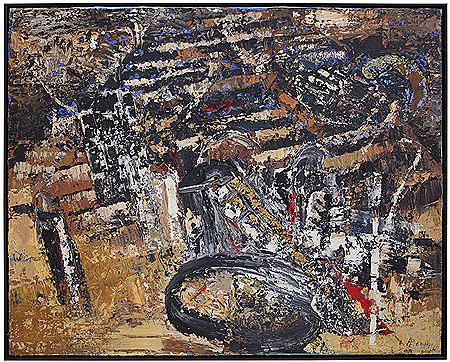
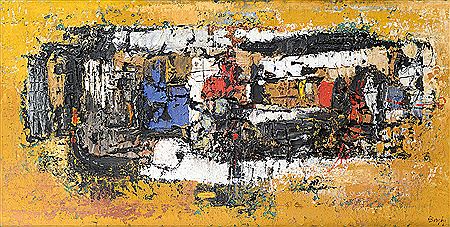
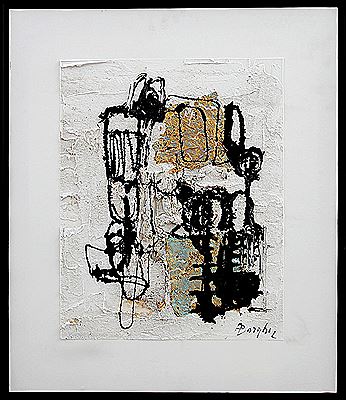
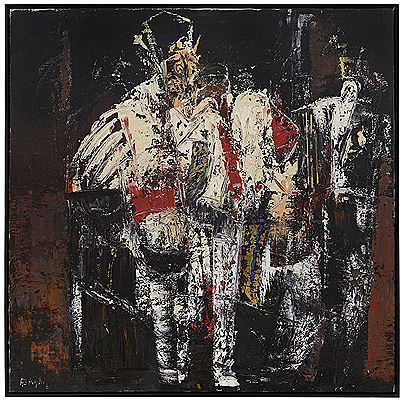
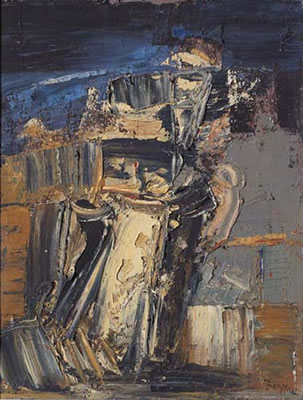
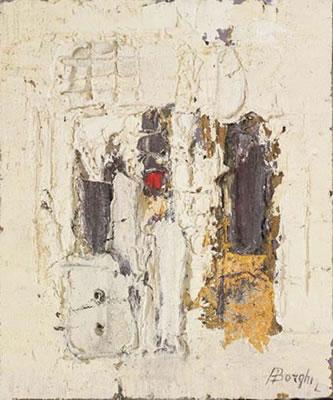
Read full biography Alfonso Borghi (b. 1944) . He was born in Northern Italy in 1944. At the age of 18 he had his first exhibition. He found his early inspiration in the paintings of the Quattrocento. During a short stay in Paris he studied the cubist movement, especially the works by Picasso. Back in Italy he met George Pielmann, a pupil of Oscar Kokoschka, and was introduced to expressionism. Borghi rose to fame quickly in Italy. In the 1990s he started exhibiting his works abroad, in Paris, Tokyo and New York. At this time Borghi fundamentally changed his painting style and turned away from figurative representation. Since then his informal-expressionist works are characterized by bold colors which exhibit a unique texture due a very gestural execution.