1817 - 1882. Known for: Painting and sculpture.
Andreas Lach exhibited a virtuoso skill in the confection of still lifes. Andreas Lach was born in the Moravian town of Eisgrub, now Lednice, in the Czech Republic. From 1837, he studied...
Read full biography Andreas Lach exhibited a virtuoso skill in the confection of still lifes. Andreas Lach was born in the Moravian town of Eisgrub, now Lednice, in the Czech Republic. From 1837, he studied with Thomas Ender, Joseph Mössmer and Sebastian Wegmayr at the Academy of Fine Arts in Vienna. Lach...
Read full biography Andreas Lach exhibited a virtuoso skill in the confection of still lifes. Andreas Lach was born in the Moravian town of Eisgrub, now Lednice, in the Czech Republic. From 1837, he studied with Thomas Ender, Joseph Mössmer and Sebastian Wegmayr at the Academy of Fine Arts in Vienna. Lach was also a member of the Austrian Art Association. His nephew was the Viennese landscape painter and print maker Fritz Lach, who succeeded him as a talented painter. His favorite motifs were...
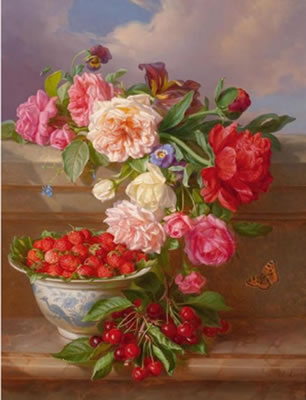
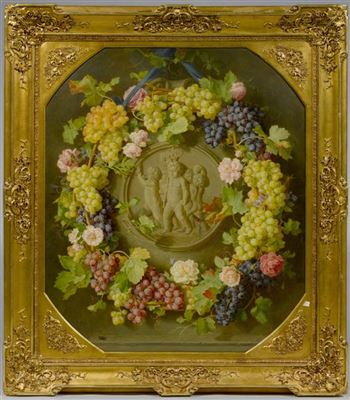
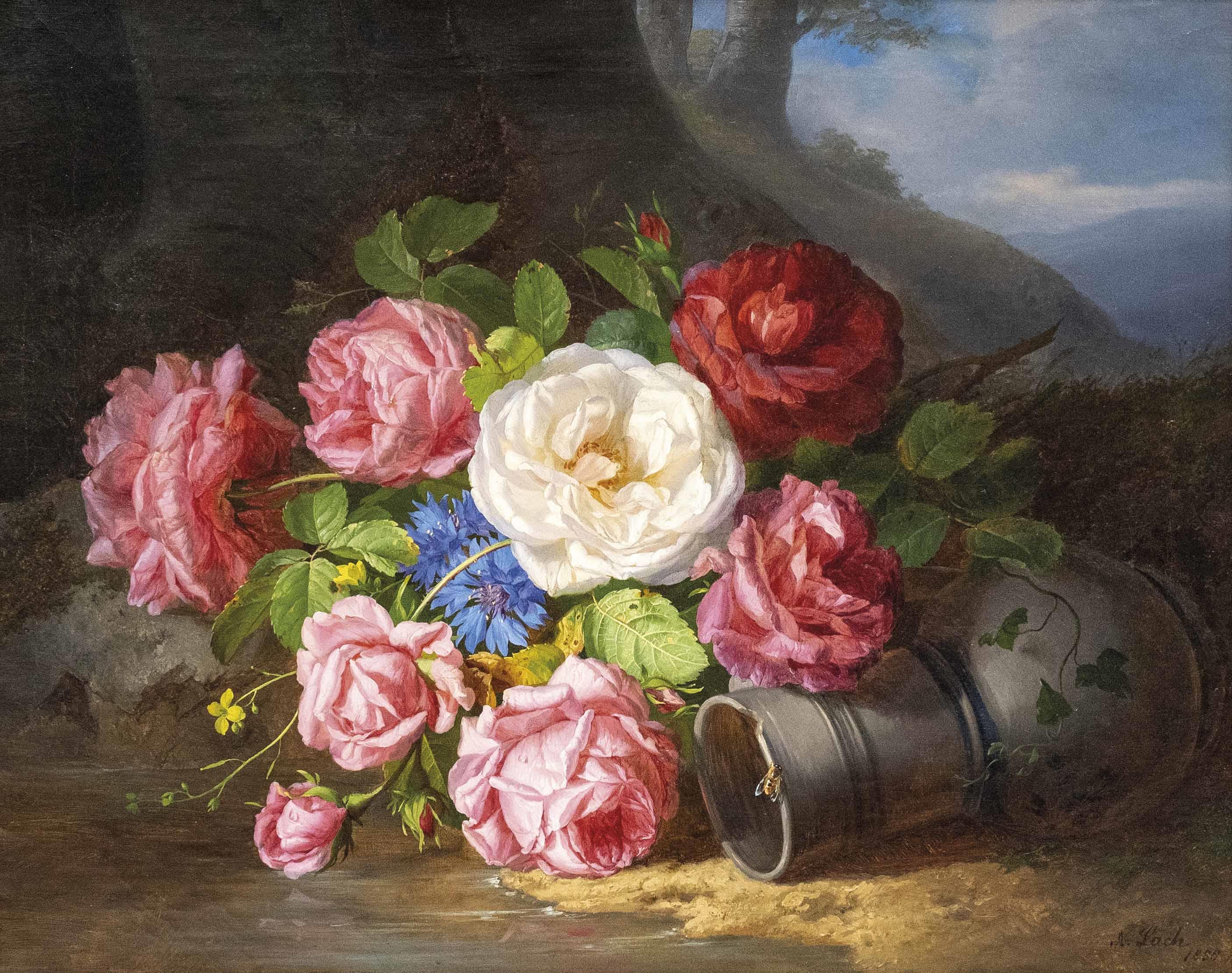
Read full biography Andreas Lach exhibited a virtuoso skill in the confection of still lifes. Andreas Lach was born in the Moravian town of Eisgrub, now Lednice, in the Czech Republic. From 1837, he studied with Thomas Ender, Joseph Mössmer and Sebastian Wegmayr at the Academy of Fine Arts in Vienna. Lach was also a member of the Austrian Art Association. His nephew was the Viennese landscape painter and print maker Fritz Lach, who succeeded him as a talented painter. His favorite motifs were flowers and still lifes, most of which he painted in oils. He also worked as a porcelain painter.
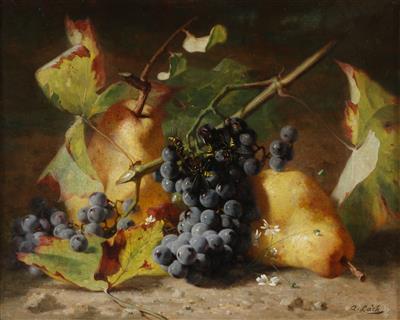
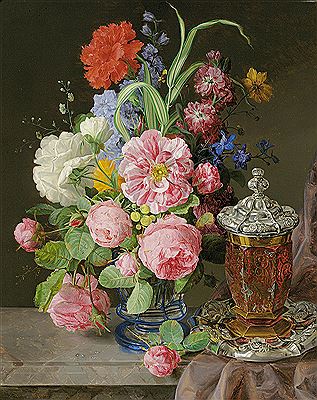
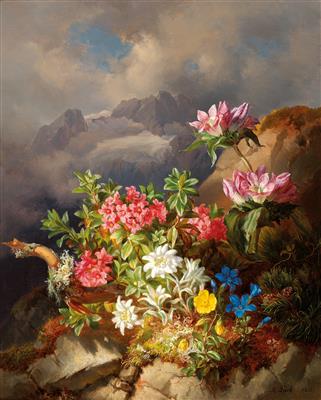
Andreas Lach exhibited a virtuoso skill in the confection of still lifes. Andreas Lach was born in the Moravian town of Eisgrub, now Lednice, in the Czech Republic. From 1837, he studied with Thomas Ender, Joseph Mössmer and Sebastian Wegmayr at the Academy of Fine Arts in Vienna. Lach was also a member of the Austrian Art Association. His nephew was the Viennese landscape painter and print maker Fritz Lach, who succeeded him as a talented painter. His favorite motifs were flowers and still lifes, most of which he painted in oils. He also worked as a porcelain painter.