1737 - after 1797. Known for: Landscape, figure painting.
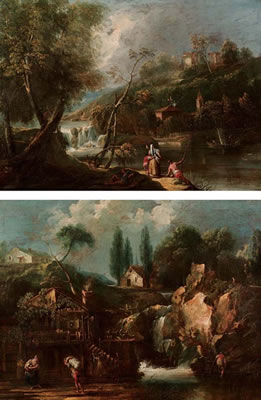
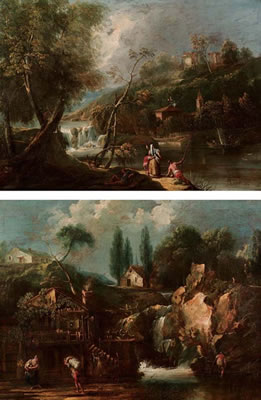
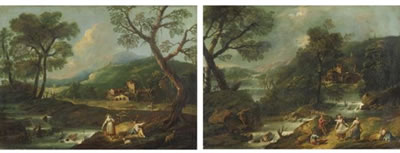
Antonio Diziani was an Italian landscape painter from the 18th century. He was the son of Gaspare Diziani and known for his landscape paintings with lyrical-pastoral tones. His style was...
Read full biography Antonio Diziani was an Italian landscape painter from the 18th century. He was the son of Gaspare Diziani and known for his landscape paintings with lyrical-pastoral tones. His style was characterized by the quick and darting brushstroke, warm and pleasant colors, and attention to detail. He...
Read full biography Antonio Diziani was an Italian landscape painter from the 18th century. He was the son of Gaspare Diziani and known for his landscape paintings with lyrical-pastoral tones. His style was characterized by the quick and darting brushstroke, warm and pleasant colors, and attention to detail. He evolved the lesson of Marco Ricci with the landscape feeling of Zais and expressed a subtle naturalistic temper in the scrub figures. The painting discussed in the text can be dated to the mid-seventh...
Read full biography Antonio Diziani was an Italian landscape painter from the 18th century. He was the son of Gaspare Diziani and known for his landscape paintings with lyrical-pastoral tones. His style was characterized by the quick and darting brushstroke, warm and pleasant colors, and attention to detail. He evolved the lesson of Marco Ricci with the landscape feeling of Zais and expressed a subtle naturalistic temper in the scrub figures. The painting discussed in the text can be dated to the mid-seventh decade and is similar to another work donated by Diziani in 1766
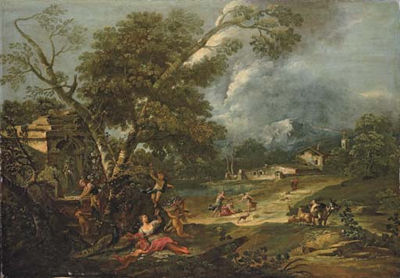
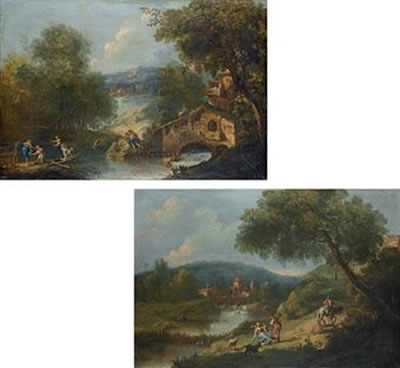
Antonio Diziani was an Italian landscape painter from the 18th century. He was the son of Gaspare Diziani and known for his landscape paintings with lyrical-pastoral tones. His style was characterized by the quick and darting brushstroke, warm and pleasant colors, and attention to detail. He evolved the lesson of Marco Ricci with the landscape feeling of Zais and expressed a subtle naturalistic temper in the scrub figures. The painting discussed in the text can be dated to the mid-seventh decade and is similar to another work donated by Diziani in 1766