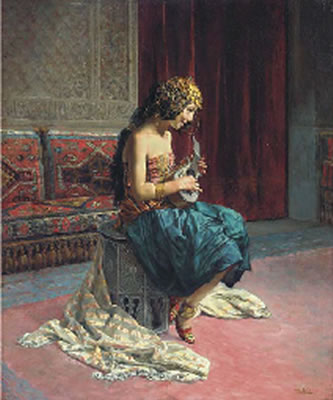
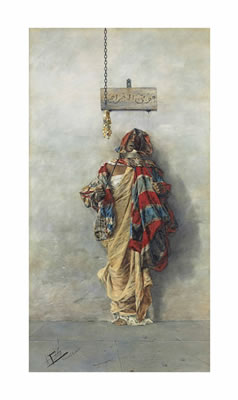
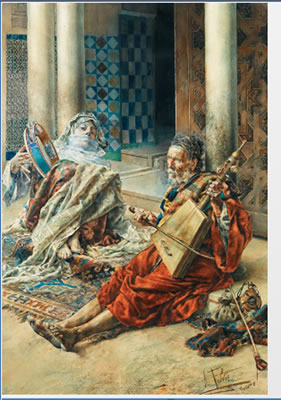
Born in Barcelona into a family of artists, Fabrés originally devoted his efforts to the art of sculpture. After winning a scholarship in 1875 to study in Rome, he was soon impressed by the success... Read full biography
Born in Barcelona into a family of artists, Fabrés originally devoted his efforts to the art of sculpture. After winning a scholarship in 1875 to study in Rome, he was soon impressed by the success of several Spanish artists working in the city and particularly by the painting of Mariano Fortuny.... Read full biography
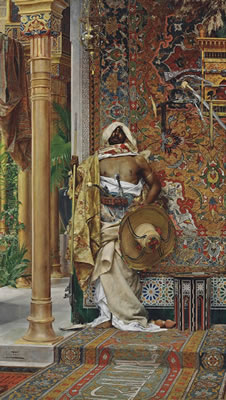
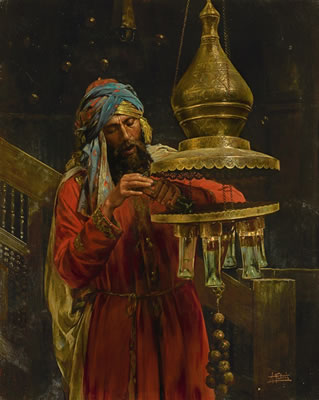
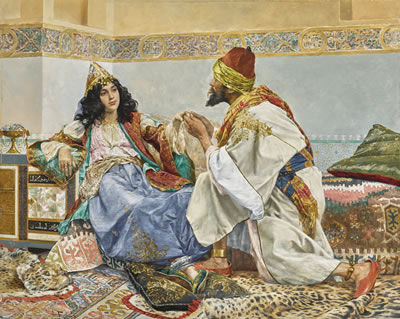
Born in Barcelona into a family of artists, Fabrés originally devoted his efforts to the art of sculpture. After winning a scholarship in 1875 to study in Rome, he was soon impressed by the success of several Spanish artists working in the city and particularly by the painting of Mariano Fortuny. Like Fortuny, the artist subsequently abandoned his chisel for a brush. Fabrés was captured by the exoticism of Fortuny’s orientalist subjects and established a style which was to dominate his oeuvre... Read full biography
Born in Barcelona into a family of artists, Fabrés originally devoted his efforts to the art of sculpture. After winning a scholarship in 1875 to study in Rome, he was soon impressed by the success of several Spanish artists working in the city and particularly by the painting of Mariano Fortuny. Like Fortuny, the artist subsequently abandoned his chisel for a brush. Fabrés was captured by the exoticism of Fortuny’s orientalist subjects and established a style which was to dominate his oeuvre during his twelve year stay in Rome. In 1892, the artist settled in Paris, where he quickly became part of a circle of Spanish painters who had moved there. He found great commercial success throughout Europe, thanks to the support of the French... Read full biography
Born in Barcelona into a family of artists, Fabrés originally devoted his efforts to the art of sculpture. After winning a scholarship in 1875 to study in Rome, he was soon impressed by the success of several Spanish artists working in the city and particularly by the painting of Mariano Fortuny. Like Fortuny, the artist subsequently abandoned his chisel for a brush. Fabrés was captured by the exoticism of Fortuny’s orientalist subjects and established a style which was to dominate his oeuvre during his twelve year stay in Rome. In 1892, the artist settled in Paris, where he quickly became part of a circle of Spanish painters who had moved there. He found great commercial success throughout Europe, thanks to the support of the French dealer Goupil, who presented the artist as the successor of Fortuny. In 1884 one work... Read full biography
Antonio Maria Fabres y Costa - Art Prices in Auction LotsAuction Lots