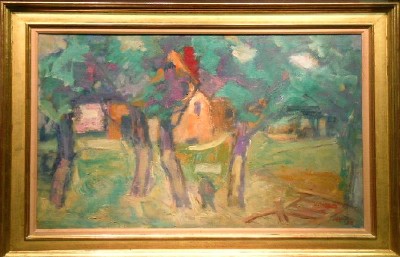
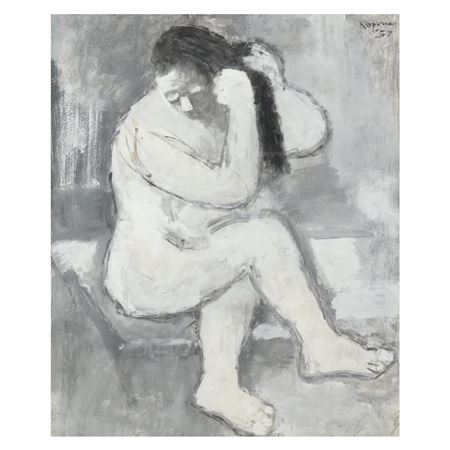
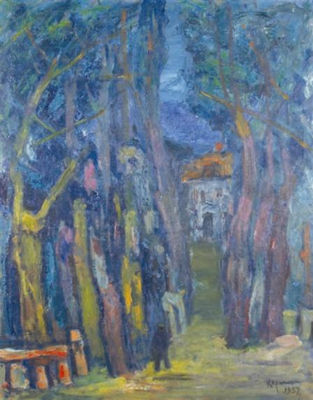
Benjamin Kopman (1887-1966). Vitebsk, the birth place of Benjamin Kopman, was one of the largest Jewish communities in Europe in 1900 with a Jewish population of 34,420. It was a center of religious... Read full biography
Benjamin Kopman (1887-1966). Vitebsk, the birth place of Benjamin Kopman, was one of the largest Jewish communities in Europe in 1900 with a Jewish population of 34,420. It was a center of religious Judaism with a strong Habad presence, but also had a very active Zionist community. Unlike many... Read full biography
Benjamin Kopman (1887-1966). Vitebsk, the birth place of Benjamin Kopman, was one of the largest Jewish communities in Europe in 1900 with a Jewish population of 34,420. It was a center of religious Judaism with a strong Habad presence, but also had a very active Zionist community. Unlike many Russian communities, Vitebsk did not experience pogroms around the turn of the 20th century. Thus, when 16 year old Benjamin Kopman and his family emigrated to the United States in 1903, it was likely for... Read full biography
Benjamin Kopman (1887-1966). Vitebsk, the birth place of Benjamin Kopman, was one of the largest Jewish communities in Europe in 1900 with a Jewish population of 34,420. It was a center of religious Judaism with a strong Habad presence, but also had a very active Zionist community. Unlike many Russian communities, Vitebsk did not experience pogroms around the turn of the 20th century. Thus, when 16 year old Benjamin Kopman and his family emigrated to the United States in 1903, it was likely for economic gain rather than religious freedom. In New York Kopman was tutored by Abel Pan, who had studied at the Yehdua Penn's Vitebsk Academy. In 1905 Kopman enrolled at the National Academy of Art where he remained for 6 semesters. In 1913 Kopman... Read full biography
Benjamin Kopman (1887-1966). Vitebsk, the birth place of Benjamin Kopman, was one of the largest Jewish communities in Europe in 1900 with a Jewish population of 34,420. It was a center of religious Judaism with a strong Habad presence, but also had a very active Zionist community. Unlike many Russian communities, Vitebsk did not experience pogroms around the turn of the 20th century. Thus, when 16 year old Benjamin Kopman and his family emigrated to the United States in 1903, it was likely for economic gain rather than religious freedom. In New York Kopman was tutored by Abel Pan, who had studied at the Yehdua Penn's Vitebsk Academy. In 1905 Kopman enrolled at the National Academy of Art where he remained for 6 semesters. In 1913 Kopman became a US citizen and he lived on East 14th Street in Manhattan during and after WWI.... Read full biography
Benjamin D Kopman - Art Prices in Auction LotsAuction Lots