- c.1700. Known for: Still life painting.
Though he is recorded in his lifetime as a highly skilled still-life painter, renowned in both Zaragoza and Madrid, the discovery of Bernardo Polo's oeuvre is relatively recent. His hand was only...
Read full biography Though he is recorded in his lifetime as a highly skilled still-life painter, renowned in both Zaragoza and Madrid, the discovery of Bernardo Polo's oeuvre is relatively recent. His hand was only fully recognized in 2009, when a signed picture was discovered in a private collection. It proved that...
Read full biography Though he is recorded in his lifetime as a highly skilled still-life painter, renowned in both Zaragoza and Madrid, the discovery of Bernardo Polo's oeuvre is relatively recent. His hand was only fully recognized in 2009, when a signed picture was discovered in a private collection. It proved that he was, in fact, the same hand previously identified as the Pseudo-Hiepes (in reference to the still-life painter Tomás Hiepes), a name given to him by Dr. William Jordan and Dr. Peter Cherry (see W....
Read full biography Though he is recorded in his lifetime as a highly skilled still-life painter, renowned in both Zaragoza and Madrid, the discovery of Bernardo Polo's oeuvre is relatively recent. His hand was only fully recognized in 2009, when a signed picture was discovered in a private collection. It proved that he was, in fact, the same hand previously identified as the Pseudo-Hiepes (in reference to the still-life painter Tomás Hiepes), a name given to him by Dr. William Jordan and Dr. Peter Cherry (see W. Jordan, 'El Pseudo-Hiepes es Bernardo Polo', Archivo Español de Arte, LXXXII, no. 328, October-December 2009, pp. 395-403). Though he varied his compositional types, they are characterized by a strong sense of symmetry and carefully stylized...
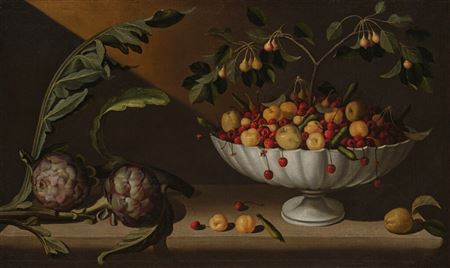
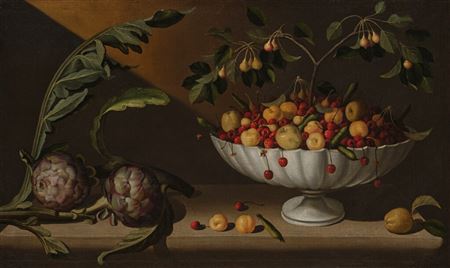
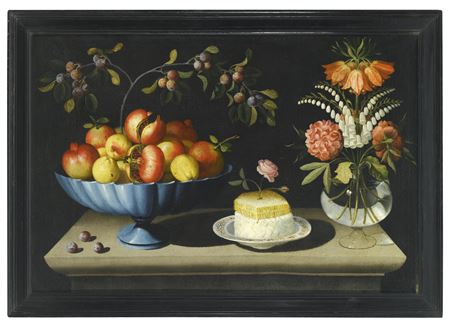
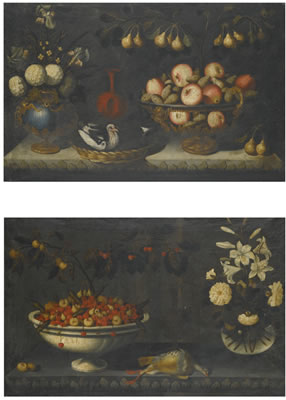
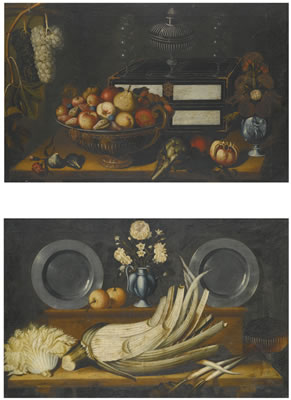
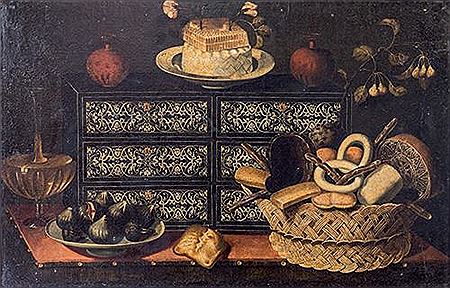
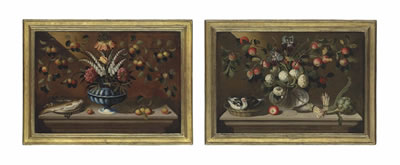
Read full biography Though he is recorded in his lifetime as a highly skilled still-life painter, renowned in both Zaragoza and Madrid, the discovery of Bernardo Polo's oeuvre is relatively recent. His hand was only fully recognized in 2009, when a signed picture was discovered in a private collection. It proved that he was, in fact, the same hand previously identified as the Pseudo-Hiepes (in reference to the still-life painter Tomás Hiepes), a name given to him by Dr. William Jordan and Dr. Peter Cherry (see W. Jordan, 'El Pseudo-Hiepes es Bernardo Polo', Archivo Español de Arte, LXXXII, no. 328, October-December 2009, pp. 395-403). Though he varied his compositional types, they are characterized by a strong sense of symmetry and carefully stylized arrangements less given to naturalism and more to ornamentation.