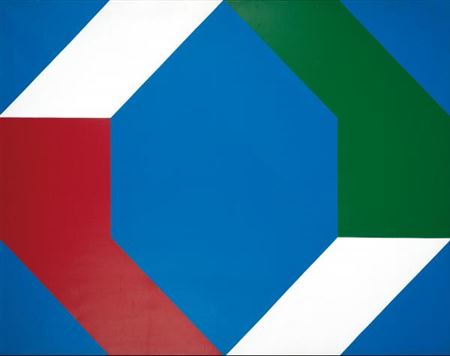
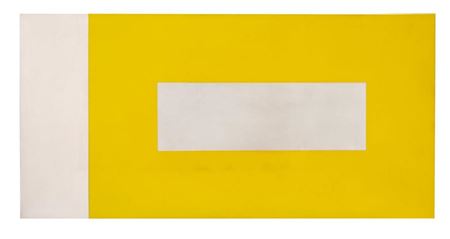
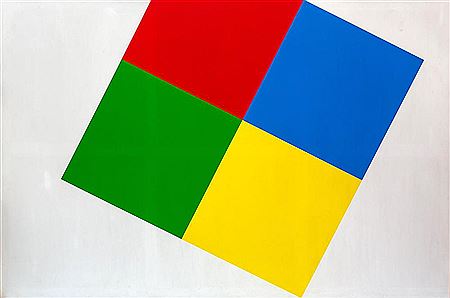
In the Netherlands constructivist art looks back on a long tradition. The group “de Stijl” originated in the 1920s and in the course of time came to shape the development of constructivist art... Read full biography
In the Netherlands constructivist art looks back on a long tradition. The group “de Stijl” originated in the 1920s and in the course of time came to shape the development of constructivist art decisively, so that it is today considered by art critics to be one of the main directions in classical... Read full biography
In the Netherlands constructivist art looks back on a long tradition. The group “de Stijl” originated in the 1920s and in the course of time came to shape the development of constructivist art decisively, so that it is today considered by art critics to be one of the main directions in classical modern art. The creed of the “de Stijl” group still influences art, architecture, and industrial design in the Netherlands today, in that it continues to live as a creative maxim in the aesthetic... Read full biography
In the Netherlands constructivist art looks back on a long tradition. The group “de Stijl” originated in the 1920s and in the course of time came to shape the development of constructivist art decisively, so that it is today considered by art critics to be one of the main directions in classical modern art. The creed of the “de Stijl” group still influences art, architecture, and industrial design in the Netherlands today, in that it continues to live as a creative maxim in the aesthetic program “Less is more”. Bob Bonies can be considered to be a successor of the “de Stijl” movement in as much as he did not just restrict himself to free art alone but extended his artistic work to architecture, industrial design, and art teaching, and... Read full biography
In the Netherlands constructivist art looks back on a long tradition. The group “de Stijl” originated in the 1920s and in the course of time came to shape the development of constructivist art decisively, so that it is today considered by art critics to be one of the main directions in classical modern art. The creed of the “de Stijl” group still influences art, architecture, and industrial design in the Netherlands today, in that it continues to live as a creative maxim in the aesthetic program “Less is more”. Bob Bonies can be considered to be a successor of the “de Stijl” movement in as much as he did not just restrict himself to free art alone but extended his artistic work to architecture, industrial design, and art teaching, and exemplified the aim of those pioneers who wanted to use their artistic ideas for shaping their surroundings. Moreover, he can also be considered a pione... Read full biography
Bob Bonies - Art Prices in Auction LotsAuction Lots