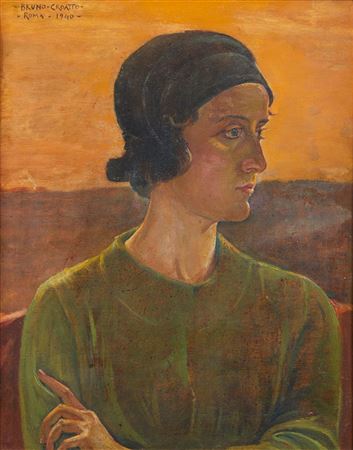
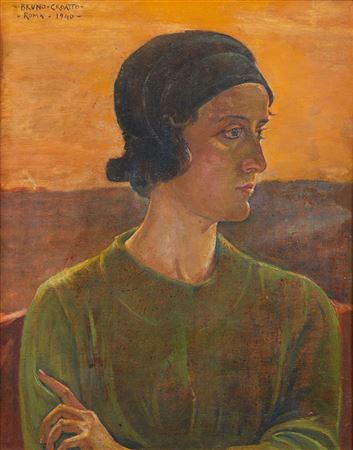
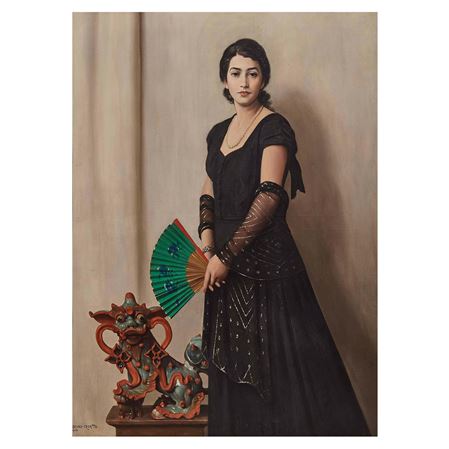
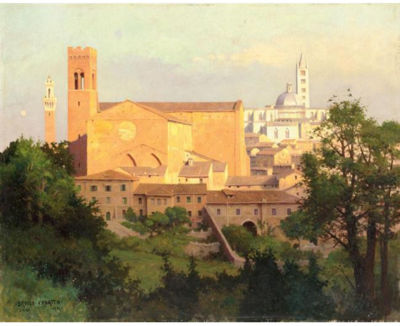
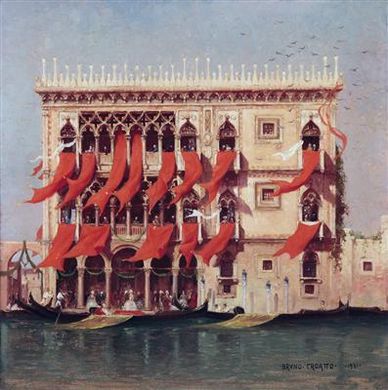
1875 Trieste - 1945 Roma. Known for: Etching and aquatint, figure, landscape, flowers.
Bruno Croatto, born in Trieste in 1875, was a disciple of Gabriel Hackl at the Munich Academy in the early 1890s. He studied the impressionists and the great masters of the fifteenth century,...
Read full biography Bruno Croatto, born in Trieste in 1875, was a disciple of Gabriel Hackl at the Munich Academy in the early 1890s. He studied the impressionists and the great masters of the fifteenth century, focusing on figure, landscape, and flowers. Croatto excelled in etching and aquatint, prioritizing color...
Read full biography Bruno Croatto, born in Trieste in 1875, was a disciple of Gabriel Hackl at the Munich Academy in the early 1890s. He studied the impressionists and the great masters of the fifteenth century, focusing on figure, landscape, and flowers. Croatto excelled in etching and aquatint, prioritizing color and chiaroscuro effects over drawing. He exhibited widely in cities such as Munich, Trieste, Paris, Venice, Rome, Milan, London, Prague, and Vienna. In 1930, he held a successful solo exhibition in...
Read full biography Bruno Croatto, born in Trieste in 1875, was a disciple of Gabriel Hackl at the Munich Academy in the early 1890s. He studied the impressionists and the great masters of the fifteenth century, focusing on figure, landscape, and flowers. Croatto excelled in etching and aquatint, prioritizing color and chiaroscuro effects over drawing. He exhibited widely in cities such as Munich, Trieste, Paris, Venice, Rome, Milan, London, Prague, and Vienna. In 1930, he held a successful solo exhibition in Rome, showcasing 57 works and 52 etchings. His artworks can be found in prestigious collections such as the Corsini Museum in Rome, Valle Giulia, the Uffizi Gallery, the Revoltella Museum in Trieste, as well as in public collections in New York and...
Read full biography Bruno Croatto, born in Trieste in 1875, was a disciple of Gabriel Hackl at the Munich Academy in the early 1890s. He studied the impressionists and the great masters of the fifteenth century, focusing on figure, landscape, and flowers. Croatto excelled in etching and aquatint, prioritizing color and chiaroscuro effects over drawing. He exhibited widely in cities such as Munich, Trieste, Paris, Venice, Rome, Milan, London, Prague, and Vienna. In 1930, he held a successful solo exhibition in Rome, showcasing 57 works and 52 etchings. His artworks can be found in prestigious collections such as the Corsini Museum in Rome, Valle Giulia, the Uffizi Gallery, the Revoltella Museum in Trieste, as well as in public collections in New York and England. Notably, one of his "Still lifes" is housed in the Gallery of Modern Art in Milan.