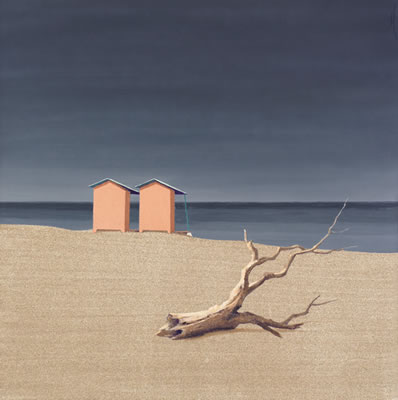
1943 Nocera Umbra, Italy - 2000. Known for: Italian seascapes and views of urban and rural landscapes.
Bruno Artioli was born in Nocera Umbra and became known for a body of work that brought him recognition for his seascapes. His paintings reflect a sustained engagement with coastal light and...
Read full biography Bruno Artioli was born in Nocera Umbra and became known for a body of work that brought him recognition for his seascapes. His paintings reflect a sustained engagement with coastal light and atmosphere, qualities that became central to his artistic identity. Alongside these works, Artioli also...
Read full biography Bruno Artioli was born in Nocera Umbra and became known for a body of work that brought him recognition for his seascapes. His paintings reflect a sustained engagement with coastal light and atmosphere, qualities that became central to his artistic identity. Alongside these works, Artioli also produced a significant number of urban and rural views that broadened the scope of his practice. Artioli often worked in Piedmont, where he created many of his landscape and townscape compositions. Among...
Read full biography Bruno Artioli was born in Nocera Umbra and became known for a body of work that brought him recognition for his seascapes. His paintings reflect a sustained engagement with coastal light and atmosphere, qualities that became central to his artistic identity. Alongside these works, Artioli also produced a significant number of urban and rural views that broadened the scope of his practice. Artioli often worked in Piedmont, where he created many of his landscape and townscape compositions. Among these is a view of the lakefront of Cannobio featuring the Sanctuary of the Santissima Pietà, a historic structure erected at the behest of St. Charles Borromeo in 1583. These works demonstrate Artioli’s interest in combining architectural presence...
Read full biography Bruno Artioli was born in Nocera Umbra and became known for a body of work that brought him recognition for his seascapes. His paintings reflect a sustained engagement with coastal light and atmosphere, qualities that became central to his artistic identity. Alongside these works, Artioli also produced a significant number of urban and rural views that broadened the scope of his practice. Artioli often worked in Piedmont, where he created many of his landscape and townscape compositions. Among these is a view of the lakefront of Cannobio featuring the Sanctuary of the Santissima Pietà, a historic structure erected at the behest of St. Charles Borromeo in 1583. These works demonstrate Artioli’s interest in combining architectural presence with the surrounding natural environment, a balance that characterizes much of his output.