Born 1943 Getinge. Known for: Painting and sculpture.
Carl Magnus was a Swedish artist who was head teacher of sculpture at the Valand School of Art in Gothenburg and a professor of painting at the Royal Academy of Art in Stockholm. He painted...
Read full biography Carl Magnus was a Swedish artist who was head teacher of sculpture at the Valand School of Art in Gothenburg and a professor of painting at the Royal Academy of Art in Stockholm. He painted expressive and powerful paintings during the 1960s, but later focused on simple geometric or architectural...
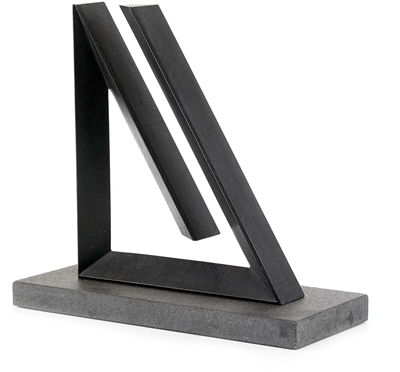
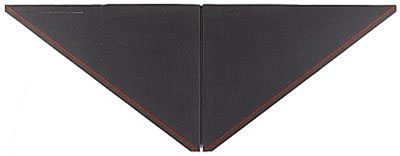
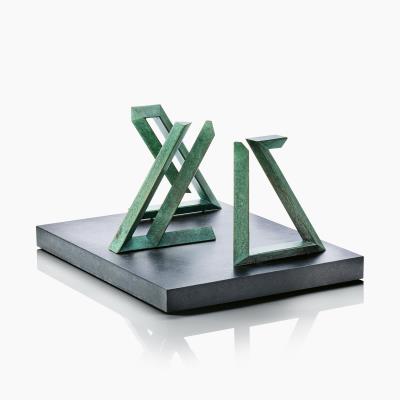
Read full biography Carl Magnus was a Swedish artist who was head teacher of sculpture at the Valand School of Art in Gothenburg and a professor of painting at the Royal Academy of Art in Stockholm. He painted expressive and powerful paintings during the 1960s, but later focused on simple geometric or architectural motifs. During the 1970s, he became increasingly interested in spatial shifts and used the staircase as the main motif. During the 1980s, he continued to work with other architectural motifs and sacred...
Read full biography Carl Magnus was a Swedish artist who was head teacher of sculpture at the Valand School of Art in Gothenburg and a professor of painting at the Royal Academy of Art in Stockholm. He painted expressive and powerful paintings during the 1960s, but later focused on simple geometric or architectural motifs. During the 1970s, he became increasingly interested in spatial shifts and used the staircase as the main motif. During the 1980s, he continued to work with other architectural motifs and sacred symbols, such as pyramids and obelisks. He is represented at several museums in Europe and has created a large number of public works
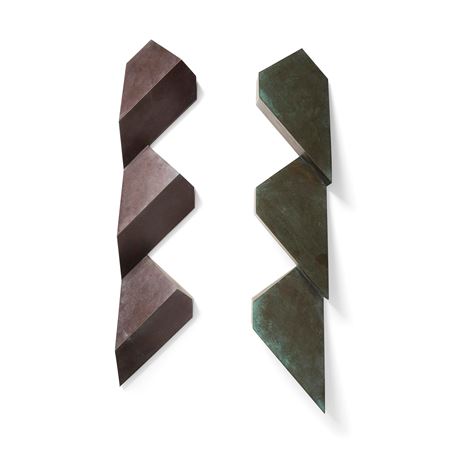
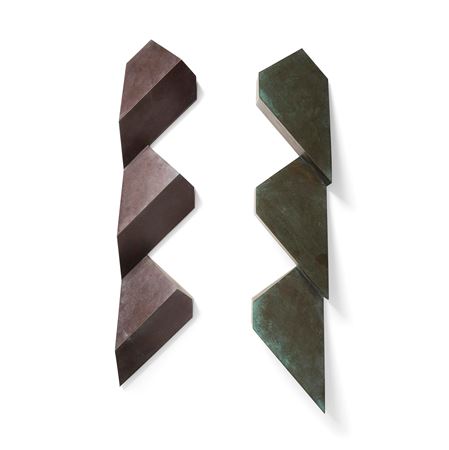
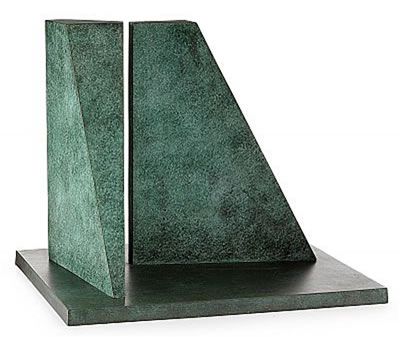
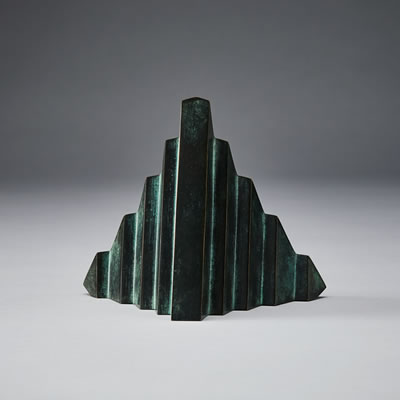
Carl Magnus was a Swedish artist who was head teacher of sculpture at the Valand School of Art in Gothenburg and a professor of painting at the Royal Academy of Art in Stockholm. He painted expressive and powerful paintings during the 1960s, but later focused on simple geometric or architectural motifs. During the 1970s, he became increasingly interested in spatial shifts and used the staircase as the main motif. During the 1980s, he continued to work with other architectural motifs and sacred symbols, such as pyramids and obelisks. He is represented at several museums in Europe and has created a large number of public works