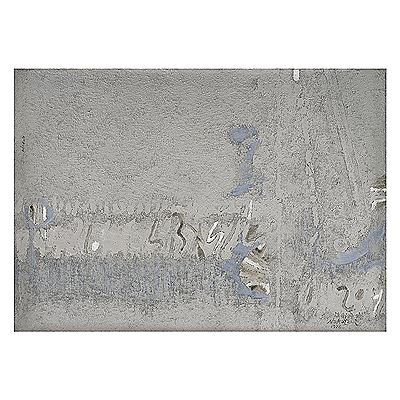
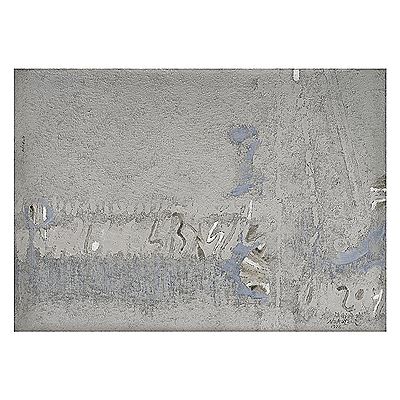
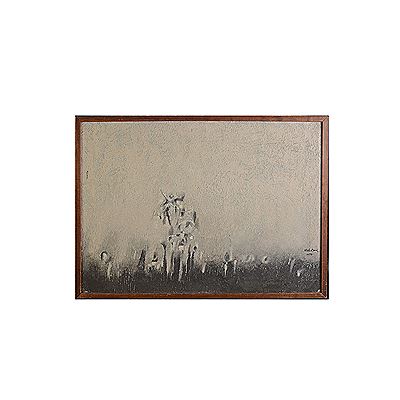
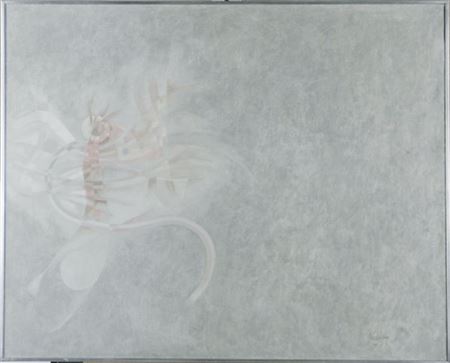
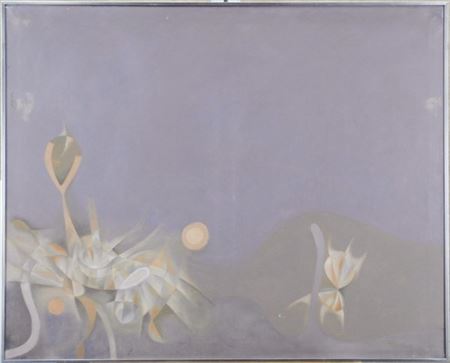
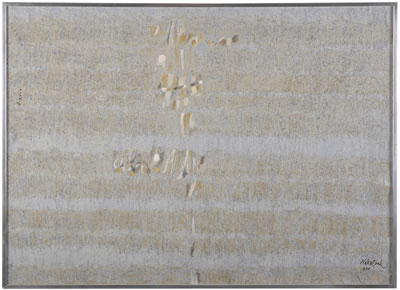
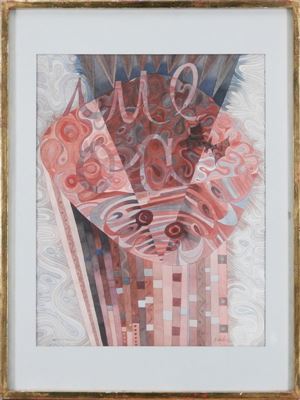
Born to a Mexican mother and a Japanese father, Carlos Nakatani was born in 1934 in the La Merced district of Mexico City. Nakatani was a painter, engraver, sculptor and a cinematographer noted for... Read full biography
Born to a Mexican mother and a Japanese father, Carlos Nakatani was born in 1934 in the La Merced district of Mexico City. Nakatani was a painter, engraver, sculptor and a cinematographer noted for his use of color. His work is classified with that of the generation de la ruptura as it broke with... Read full biography
Born to a Mexican mother and a Japanese father, Carlos Nakatani was born in 1934 in the La Merced district of Mexico City. Nakatani was a painter, engraver, sculptor and a cinematographer noted for his use of color. His work is classified with that of the generation de la ruptura as it broke with the established tradition of the first half of the 20th century. His Japanese father invented a snack called cacahuates japoneses (Japanese peanuts), which were originally sold in a La Merced market.... Read full biography
Born to a Mexican mother and a Japanese father, Carlos Nakatani was born in 1934 in the La Merced district of Mexico City. Nakatani was a painter, engraver, sculptor and a cinematographer noted for his use of color. His work is classified with that of the generation de la ruptura as it broke with the established tradition of the first half of the 20th century. His Japanese father invented a snack called cacahuates japoneses (Japanese peanuts), which were originally sold in a La Merced market. Later he established a Japanese market there, and today, this peanut snack remains popular in the Mexican capital . Nakatani was called "hermanito" (little Boy) by his artistic contemporaries especially Gilberto Aceves Navarro. Carlos Nakatani was... Read full biography
Born to a Mexican mother and a Japanese father, Carlos Nakatani was born in 1934 in the La Merced district of Mexico City. Nakatani was a painter, engraver, sculptor and a cinematographer noted for his use of color. His work is classified with that of the generation de la ruptura as it broke with the established tradition of the first half of the 20th century. His Japanese father invented a snack called cacahuates japoneses (Japanese peanuts), which were originally sold in a La Merced market. Later he established a Japanese market there, and today, this peanut snack remains popular in the Mexican capital . Nakatani was called "hermanito" (little Boy) by his artistic contemporaries especially Gilberto Aceves Navarro. Carlos Nakatani was reclusive and ascetic eating only what he needed to live and bought very little. While v... Read full biography
Carlos Nakatani - Art Prices in Auction LotsAuction Lots