Christoph Voll was born in Munich as the son of a sculptor and a painter. As a 15-year-old Voll began an apprenticeship as a sculptor in Dresden; after WW1, he continued his training at the academy... Read full biography
Christoph Voll was born in Munich as the son of a sculptor and a painter. As a 15-year-old Voll began an apprenticeship as a sculptor in Dresden; after WW1, he continued his training at the academy in Dresden. In 1920, the artist joined the “Dresden Secession Group 1919” where he became close... Read full biography
Christoph Voll was born in Munich as the son of a sculptor and a painter. As a 15-year-old Voll began an apprenticeship as a sculptor in Dresden; after WW1, he continued his training at the academy in Dresden. In 1920, the artist joined the “Dresden Secession Group 1919” where he became close friends with artists like Otto Dix and Conrad Felixmüller. In 1924 Voll moved to Saarbrücken, where he was named a professor the following year, but moved again in 1928, after winning the chair in... Read full biography
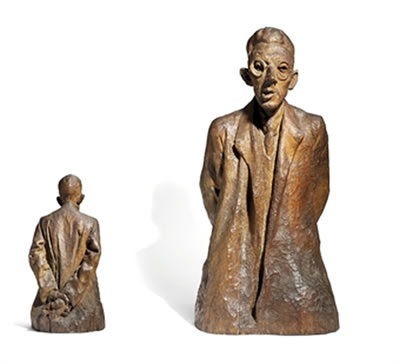
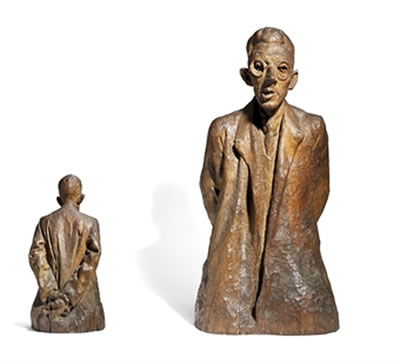
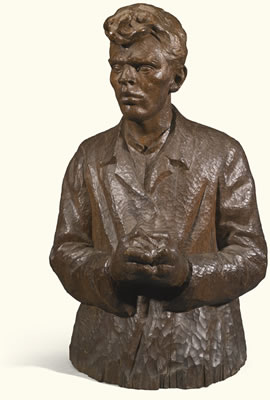
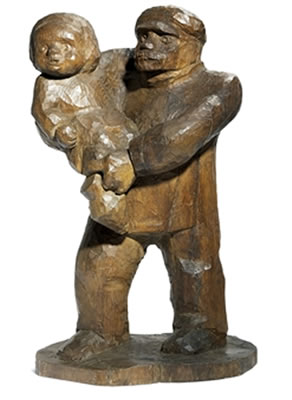
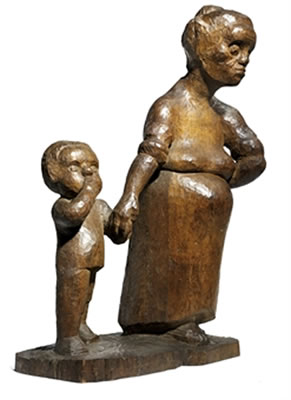
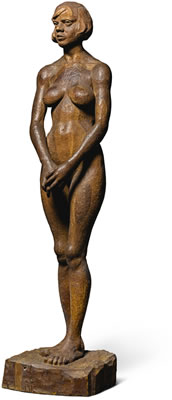
Christoph Voll was born in Munich as the son of a sculptor and a painter. As a 15-year-old Voll began an apprenticeship as a sculptor in Dresden; after WW1, he continued his training at the academy in Dresden. In 1920, the artist joined the “Dresden Secession Group 1919” where he became close friends with artists like Otto Dix and Conrad Felixmüller. In 1924 Voll moved to Saarbrücken, where he was named a professor the following year, but moved again in 1928, after winning the chair in sculpture at the Landeskunstschule in Karlsruhe. The 1920s were defined by a very active participation in exhibitions. During this period, Voll created expressively realistic sculptures predominantly in wood. From 1928, Voll turned to stone as his primary... Read full biography
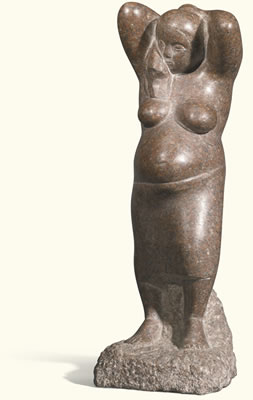
Christoph Voll was born in Munich as the son of a sculptor and a painter. As a 15-year-old Voll began an apprenticeship as a sculptor in Dresden; after WW1, he continued his training at the academy in Dresden. In 1920, the artist joined the “Dresden Secession Group 1919” where he became close friends with artists like Otto Dix and Conrad Felixmüller. In 1924 Voll moved to Saarbrücken, where he was named a professor the following year, but moved again in 1928, after winning the chair in sculpture at the Landeskunstschule in Karlsruhe. The 1920s were defined by a very active participation in exhibitions. During this period, Voll created expressively realistic sculptures predominantly in wood. From 1928, Voll turned to stone as his primary material and created a series of female nudes like the offered “Ruhende”, in which a powerful, quiescent sensuality stands in contrast to... Read full biography
Christoph Voll - Art Prices in Auction LotsAuction Lots