1903 De Haag, Netherlands - 1967 Dordrecht, Netherlands. Known for: Landscape, harbor views and city scene painting.
Cornelis Noltee, also known as Cor Noltee, was a versatile artist who belonged to the last generation of Dordrecht Impressionists. He painted confidently in a robust style, covering a wide range of...
Read full biography Cornelis Noltee, also known as Cor Noltee, was a versatile artist who belonged to the last generation of Dordrecht Impressionists. He painted confidently in a robust style, covering a wide range of subjects such as landscapes, river and city scenes, portraits, and still lifes. Influenced by the...
Read full biography Cornelis Noltee, also known as Cor Noltee, was a versatile artist who belonged to the last generation of Dordrecht Impressionists. He painted confidently in a robust style, covering a wide range of subjects such as landscapes, river and city scenes, portraits, and still lifes. Influenced by the Hague School, Noltee was sometimes referred to as the "Dordrecht Breitner" due to similarities in style and choice of subjects. Towards the end of his life, he transitioned to a more expressionistic...
Read full biography Cornelis Noltee, also known as Cor Noltee, was a versatile artist who belonged to the last generation of Dordrecht Impressionists. He painted confidently in a robust style, covering a wide range of subjects such as landscapes, river and city scenes, portraits, and still lifes. Influenced by the Hague School, Noltee was sometimes referred to as the "Dordrecht Breitner" due to similarities in style and choice of subjects. Towards the end of his life, he transitioned to a more expressionistic approach.
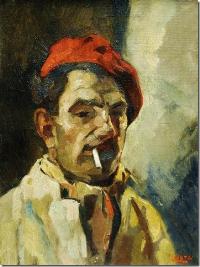
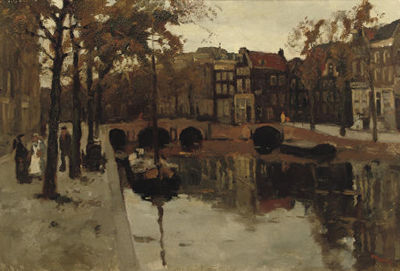
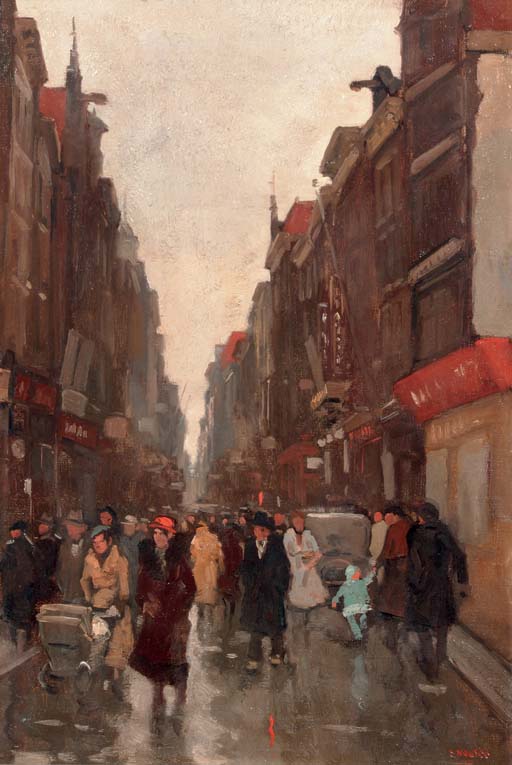
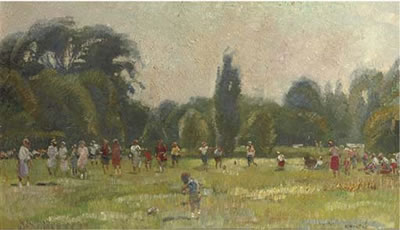
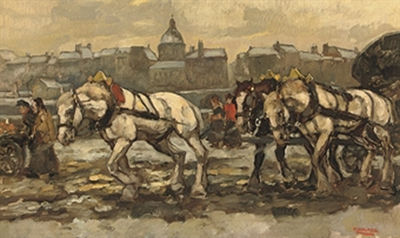
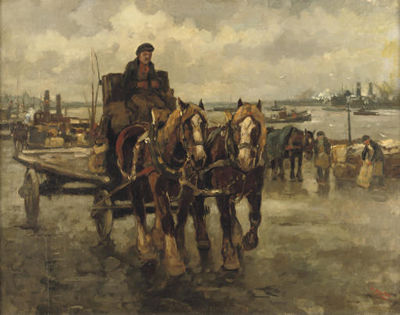
Cornelis Noltee, also known as Cor Noltee, was a versatile artist who belonged to the last generation of Dordrecht Impressionists. He painted confidently in a robust style, covering a wide range of subjects such as landscapes, river and city scenes, portraits, and still lifes. Influenced by the Hague School, Noltee was sometimes referred to as the "Dordrecht Breitner" due to similarities in style and choice of subjects. Towards the end of his life, he transitioned to a more expressionistic approach.