1609 Naples - 1675. Known for: Landscape painting, collaboration with Viviano Codazzi, Baroque style.
Domenico Gargiulo was an Italian painter who flourished in the 17th century. He was knowledgeable in Roman painting and collaborated with Viviano Codazzi. His works reveal his debt to Garpar Dughet,...
Read full biography Domenico Gargiulo was an Italian painter who flourished in the 17th century. He was knowledgeable in Roman painting and collaborated with Viviano Codazzi. His works reveal his debt to Garpar Dughet, Dider Barra, Aniello Falcone, and Giovanni Battista Castiglione. He was known for his landscape...
Read full biography Domenico Gargiulo was an Italian painter who flourished in the 17th century. He was knowledgeable in Roman painting and collaborated with Viviano Codazzi. His works reveal his debt to Garpar Dughet, Dider Barra, Aniello Falcone, and Giovanni Battista Castiglione. He was known for his landscape paintings and Baroque style. The canvas presented in the text is an example of his sprezzatura and the ductus suggests a pictorial test faced with a free spirit as in a sketch. The style suggests an early...
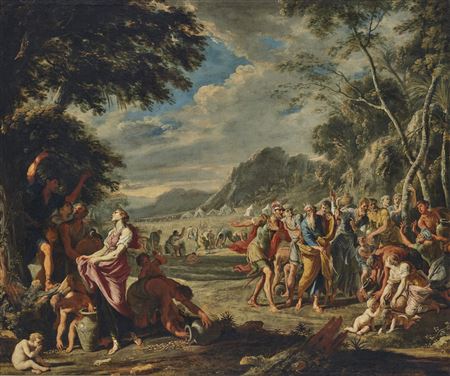
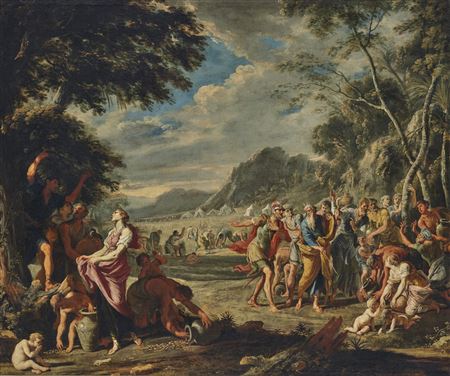
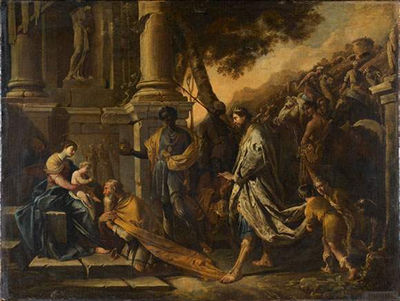
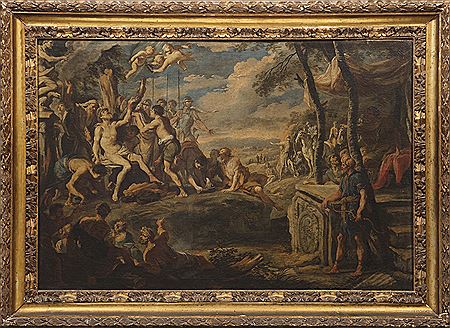
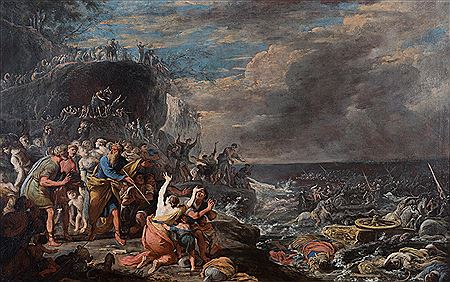
Read full biography Domenico Gargiulo was an Italian painter who flourished in the 17th century. He was knowledgeable in Roman painting and collaborated with Viviano Codazzi. His works reveal his debt to Garpar Dughet, Dider Barra, Aniello Falcone, and Giovanni Battista Castiglione. He was known for his landscape paintings and Baroque style. The canvas presented in the text is an example of his sprezzatura and the ductus suggests a pictorial test faced with a free spirit as in a sketch. The style suggests an early execution, around the middle of the fourth decade, due to the still strongly dark and sanguine character of the figures and the light direction.
Domenico Gargiulo was an Italian painter who flourished in the 17th century. He was knowledgeable in Roman painting and collaborated with Viviano Codazzi. His works reveal his debt to Garpar Dughet, Dider Barra, Aniello Falcone, and Giovanni Battista Castiglione. He was known for his landscape paintings and Baroque style. The canvas presented in the text is an example of his sprezzatura and the ductus suggests a pictorial test faced with a free spirit as in a sketch. The style suggests an early execution, around the middle of the fourth decade, due to the still strongly dark and sanguine character of the figures and the light direction.