1890 Soest - 1967 Bilme bei Soest. Known for: Painting and sculpture.
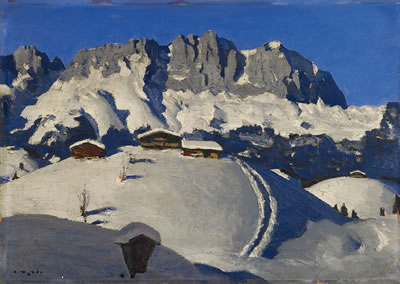
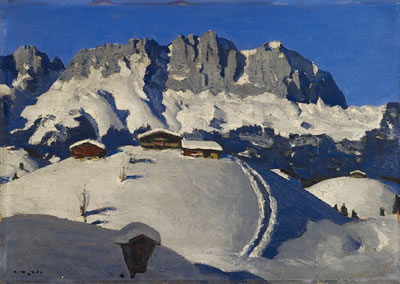
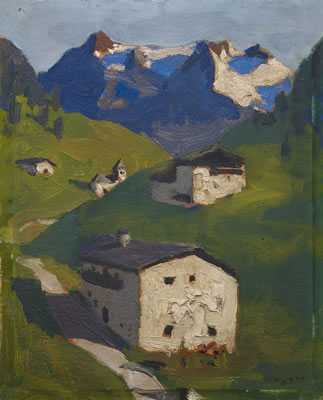
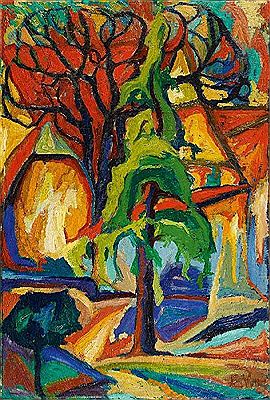
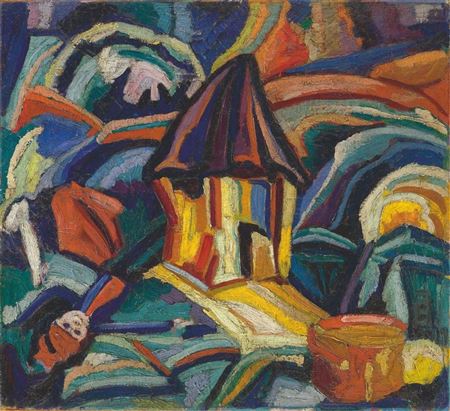
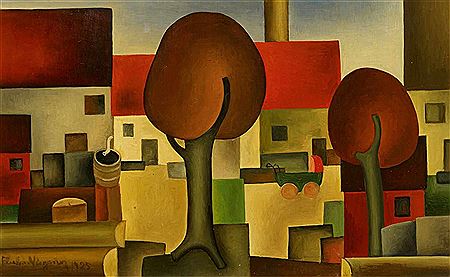
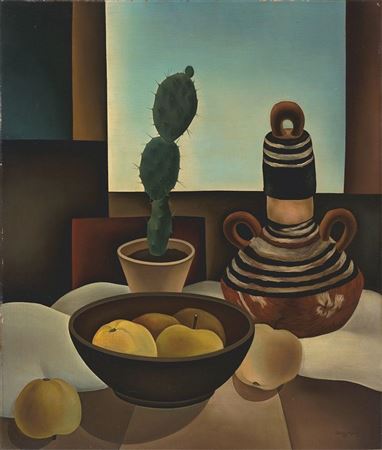
The self-taught painter and former apprentice, Eberhard Viegener was first Expressionist, then turned to the New Objectivity movement until he changed at the beginning of the 30s his painting style...
Read full biography The self-taught painter and former apprentice, Eberhard Viegener was first Expressionist, then turned to the New Objectivity movement until he changed at the beginning of the 30s his painting style again to realistic landscapes. In 1919 he got a contract with the gallery owner Alfred Flechtheim. In...
Read full biography The self-taught painter and former apprentice, Eberhard Viegener was first Expressionist, then turned to the New Objectivity movement until he changed at the beginning of the 30s his painting style again to realistic landscapes. In 1919 he got a contract with the gallery owner Alfred Flechtheim. In the autumn of 1937 some of his early works were seized, among other things, from the museums in Soest, Dortmund and Wuppertal-Barmen. In 1938 his works were shown at the Berlin exhibition Entartete...
Read full biography The self-taught painter and former apprentice, Eberhard Viegener was first Expressionist, then turned to the New Objectivity movement until he changed at the beginning of the 30s his painting style again to realistic landscapes. In 1919 he got a contract with the gallery owner Alfred Flechtheim. In the autumn of 1937 some of his early works were seized, among other things, from the museums in Soest, Dortmund and Wuppertal-Barmen. In 1938 his works were shown at the Berlin exhibition Entartete Kunst (Degenerate art). Regardless, he continued to present his later works at exhibitions.
The self-taught painter and former apprentice, Eberhard Viegener was first Expressionist, then turned to the New Objectivity movement until he changed at the beginning of the 30s his painting style again to realistic landscapes. In 1919 he got a contract with the gallery owner Alfred Flechtheim. In the autumn of 1937 some of his early works were seized, among other things, from the museums in Soest, Dortmund and Wuppertal-Barmen. In 1938 his works were shown at the Berlin exhibition Entartete Kunst (Degenerate art). Regardless, he continued to present his later works at exhibitions.