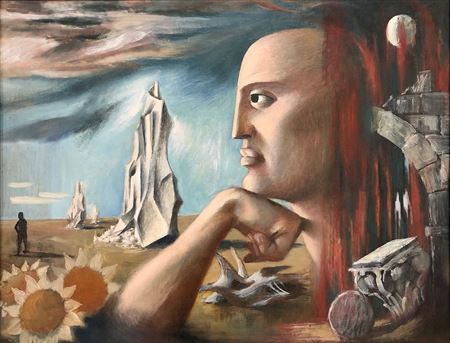
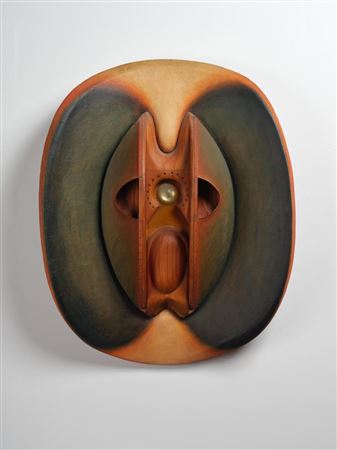
Edward (Ted) Bullmore (1933-1978). Ted Bullmore's story reads like the stuff of folklore and yet his place in popular accounts of New Zealand's 20th century art history is somewhat obscure. He grew... Read full biography
Edward (Ted) Bullmore (1933-1978). Ted Bullmore's story reads like the stuff of folklore and yet his place in popular accounts of New Zealand's 20th century art history is somewhat obscure. He grew up in rural Southland; was a notable rugby player; is one of New Zealand's earliest surrealist... Read full biography
Edward (Ted) Bullmore (1933-1978). Ted Bullmore's story reads like the stuff of folklore and yet his place in popular accounts of New Zealand's 20th century art history is somewhat obscure. He grew up in rural Southland; was a notable rugby player; is one of New Zealand's earliest surrealist artists; gained significant recognition in the art scene of 1960s London alongside his better-known peers Pat Hanly and Ralph Hotere; and his work was collected by none other than film auteur Stanley... Read full biography
Edward (Ted) Bullmore (1933-1978). Ted Bullmore's story reads like the stuff of folklore and yet his place in popular accounts of New Zealand's 20th century art history is somewhat obscure. He grew up in rural Southland; was a notable rugby player; is one of New Zealand's earliest surrealist artists; gained significant recognition in the art scene of 1960s London alongside his better-known peers Pat Hanly and Ralph Hotere; and his work was collected by none other than film auteur Stanley Kubrick, with two of the shaped canvases turning up in the director's notorious 1971 movie "A Clockwork Orange". Attending the Canterbury School of Fine Arts during the early 1950s, Bullmore was studying alongside other mid-century modernists including... Read full biography
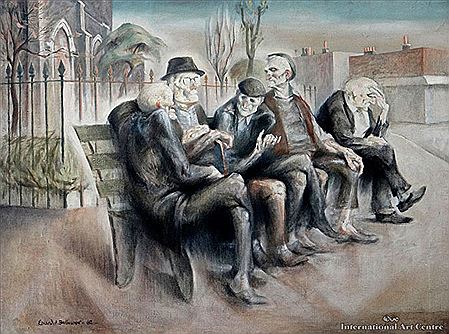
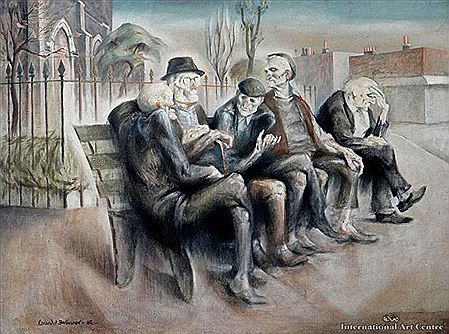
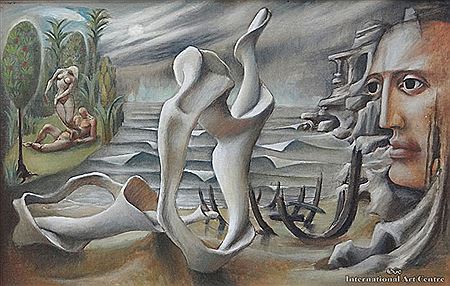
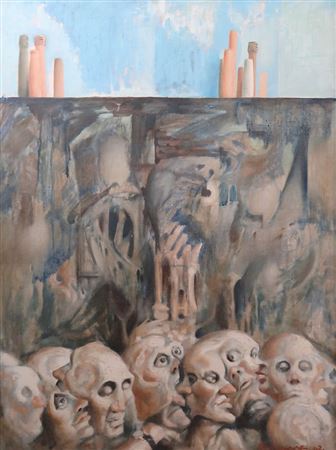
Edward (Ted) Bullmore (1933-1978). Ted Bullmore's story reads like the stuff of folklore and yet his place in popular accounts of New Zealand's 20th century art history is somewhat obscure. He grew up in rural Southland; was a notable rugby player; is one of New Zealand's earliest surrealist artists; gained significant recognition in the art scene of 1960s London alongside his better-known peers Pat Hanly and Ralph Hotere; and his work was collected by none other than film auteur Stanley Kubrick, with two of the shaped canvases turning up in the director's notorious 1971 movie "A Clockwork Orange". Attending the Canterbury School of Fine Arts during the early 1950s, Bullmore was studying alongside other mid-century modernists including Bill Culbert, Pat Hanly, Gil Hanly, Quentin MacFarlane and Trevor Moffitt. From there it was Auckland Teachers' College and teac... Read full biography
Edward Bullmore - Art Prices in Auction LotsAuction Lots