1859 Rochdale, Greater Manchester - 1918. Known for: Painting.
Edward William Stott was born on April 25, 1859 in Rochdale, Greater Manchester, the son of mill-owner and mayor of the borough. In 1880 he moved to Paris, against the will of his family, to study...
Read full biography Edward William Stott was born on April 25, 1859 in Rochdale, Greater Manchester, the son of mill-owner and mayor of the borough. In 1880 he moved to Paris, against the will of his family, to study initially at the atelier of the portrait painter Carolus-Duran and later, from 1882 to 1884, under...
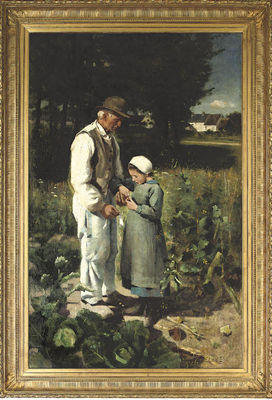
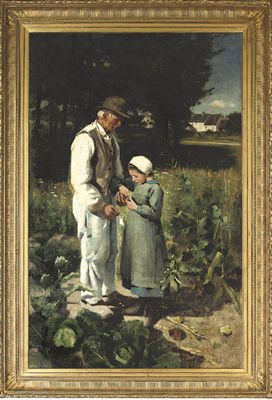
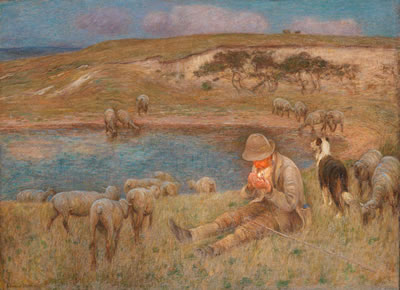
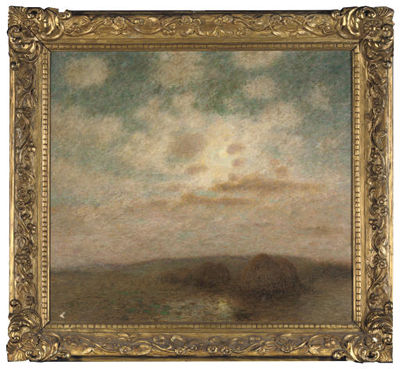
Read full biography Edward William Stott was born on April 25, 1859 in Rochdale, Greater Manchester, the son of mill-owner and mayor of the borough. In 1880 he moved to Paris, against the will of his family, to study initially at the atelier of the portrait painter Carolus-Duran and later, from 1882 to 1884, under Alexandre Cabanel at the Ecole des Beaux-Arts. He is described as "the poet-painter of twilights” and is famous for his atmospheric rural and biblical scenes that he lets appear in a particular lighting....
Read full biography Edward William Stott was born on April 25, 1859 in Rochdale, Greater Manchester, the son of mill-owner and mayor of the borough. In 1880 he moved to Paris, against the will of his family, to study initially at the atelier of the portrait painter Carolus-Duran and later, from 1882 to 1884, under Alexandre Cabanel at the Ecole des Beaux-Arts. He is described as "the poet-painter of twilights” and is famous for his atmospheric rural and biblical scenes that he lets appear in a particular lighting. As a British artist trained in Paris, Stott was strongly influenced by the rural Naturalism of Jean-François Millett, Bastien-Lepage and the Impressionism of Claude Monet.
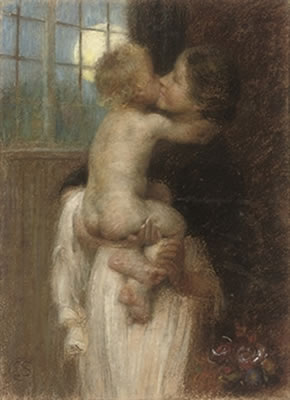
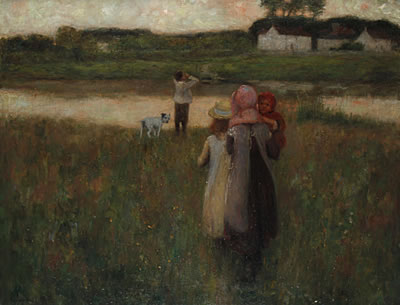
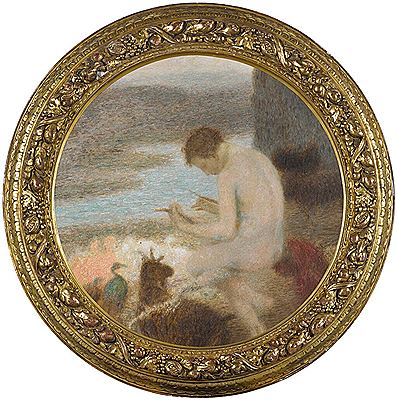
Edward William Stott was born on April 25, 1859 in Rochdale, Greater Manchester, the son of mill-owner and mayor of the borough. In 1880 he moved to Paris, against the will of his family, to study initially at the atelier of the portrait painter Carolus-Duran and later, from 1882 to 1884, under Alexandre Cabanel at the Ecole des Beaux-Arts. He is described as "the poet-painter of twilights” and is famous for his atmospheric rural and biblical scenes that he lets appear in a particular lighting. As a British artist trained in Paris, Stott was strongly influenced by the rural Naturalism of Jean-François Millett, Bastien-Lepage and the Impressionism of Claude Monet.