Elisabeth Büchsel studied painting with Paul Flickel in Berlin (a representative of the Weimar School of Painting) and made her first contacts with the Association of Berlin Women Artists. Back in... Read full biography
Elisabeth Büchsel studied painting with Paul Flickel in Berlin (a representative of the Weimar School of Painting) and made her first contacts with the Association of Berlin Women Artists. Back in Stralsund, she earned her living by giving painting lessons and accepting portrait commissions. She... Read full biography
Elisabeth Büchsel studied painting with Paul Flickel in Berlin (a representative of the Weimar School of Painting) and made her first contacts with the Association of Berlin Women Artists. Back in Stralsund, she earned her living by giving painting lessons and accepting portrait commissions. She quickly became a sought-after portraitist. In 1892, Büchsel returned to Berlin for a second time, studying at the drawing school of the Association of Berlin Women Artists under Conrad Fehr and Walter... Read full biography
Elisabeth Büchsel studied painting with Paul Flickel in Berlin (a representative of the Weimar School of Painting) and made her first contacts with the Association of Berlin Women Artists. Back in Stralsund, she earned her living by giving painting lessons and accepting portrait commissions. She quickly became a sought-after portraitist. In 1892, Büchsel returned to Berlin for a second time, studying at the drawing school of the Association of Berlin Women Artists under Conrad Fehr and Walter Leistikow, and in 1896 under Franz Skarbina. From 1898 onwards, she undertook several study trips to Italy and Paris, where the developments in modern French painting significantly influenced her style when her paintings became more vibrant and... Read full biography
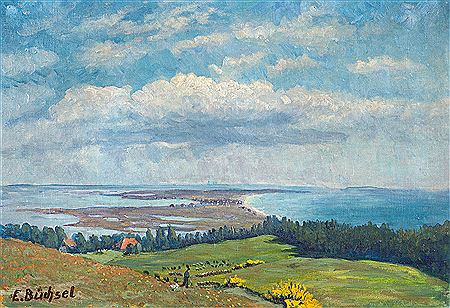
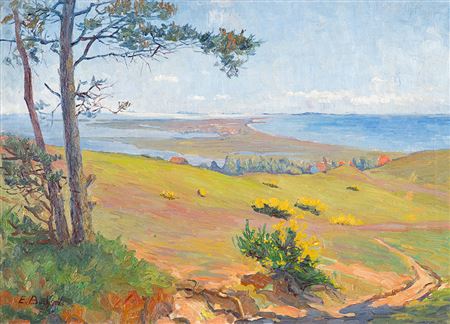
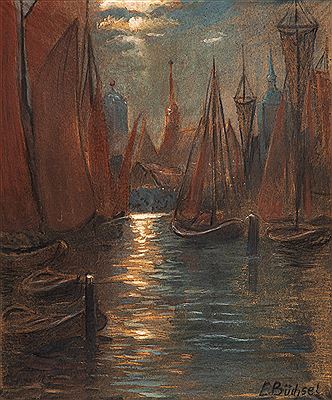
Elisabeth Büchsel studied painting with Paul Flickel in Berlin (a representative of the Weimar School of Painting) and made her first contacts with the Association of Berlin Women Artists. Back in Stralsund, she earned her living by giving painting lessons and accepting portrait commissions. She quickly became a sought-after portraitist. In 1892, Büchsel returned to Berlin for a second time, studying at the drawing school of the Association of Berlin Women Artists under Conrad Fehr and Walter Leistikow, and in 1896 under Franz Skarbina. From 1898 onwards, she undertook several study trips to Italy and Paris, where the developments in modern French painting significantly influenced her style when her paintings became more vibrant and spontaneous. From 1904 onwards, she regularly spent her summers on Hiddensee, finding her "paradise" there. In 1922, Elisabeth Büchse... Read full biography
Elisabeth Buchsel - Art Prices in Auction LotsAuction Lots