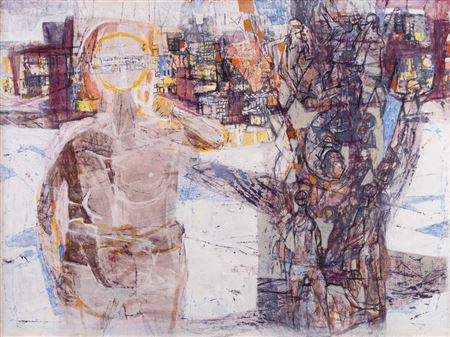
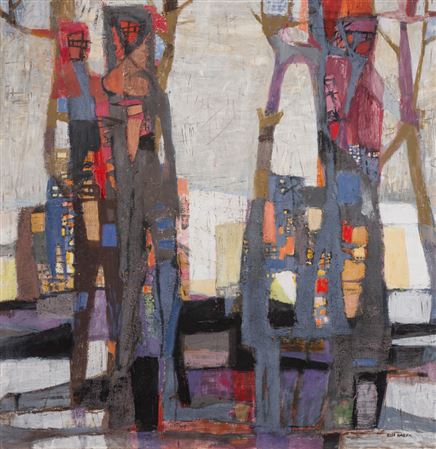
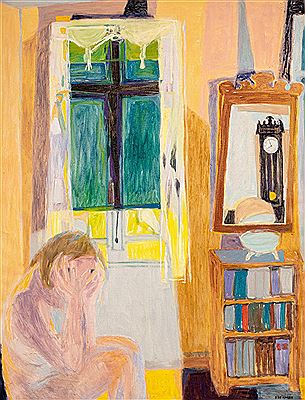
1914 Eydehamn - 2010 Oslo. Known for: Sculpture using stone, wood, metal, and colored glass mass.
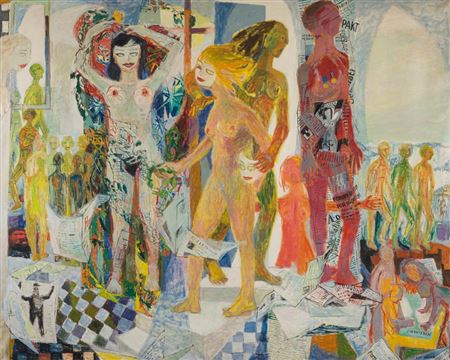
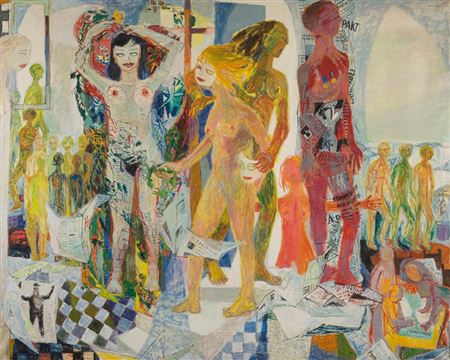
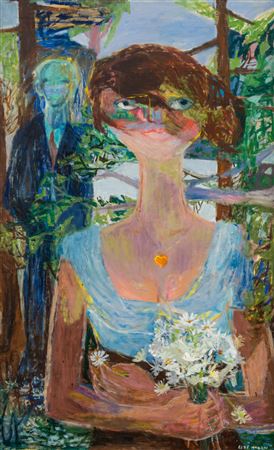
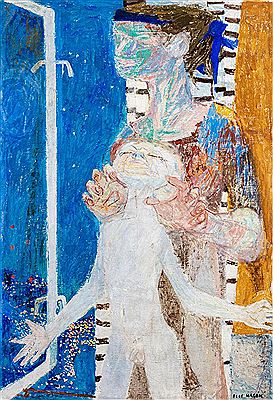
Else Hagen was a Norwegian artist who worked with sculptural materials such as stone, wood, and metal, combined with colored glass mass. She collaborated closely with Sigurd Winge for several years...
Read full biography Else Hagen was a Norwegian artist who worked with sculptural materials such as stone, wood, and metal, combined with colored glass mass. She collaborated closely with Sigurd Winge for several years and created her first material images in mosaic and low relief. Her works gradually became more...
Read full biography Else Hagen was a Norwegian artist who worked with sculptural materials such as stone, wood, and metal, combined with colored glass mass. She collaborated closely with Sigurd Winge for several years and created her first material images in mosaic and low relief. Her works gradually became more abstract and symbolic, with a focus on the interaction between form and content. Hagen's art is characterized by a nature-based simplification of form and a well-reflected execution of ideas...
Read full biography Else Hagen was a Norwegian artist who worked with sculptural materials such as stone, wood, and metal, combined with colored glass mass. She collaborated closely with Sigurd Winge for several years and created her first material images in mosaic and low relief. Her works gradually became more abstract and symbolic, with a focus on the interaction between form and content. Hagen's art is characterized by a nature-based simplification of form and a well-reflected execution of ideas...
Read full biography Else Hagen was a Norwegian artist who worked with sculptural materials such as stone, wood, and metal, combined with colored glass mass. She collaborated closely with Sigurd Winge for several years and created her first material images in mosaic and low relief. Her works gradually became more abstract and symbolic, with a focus on the interaction between form and content. Hagen's art is characterized by a nature-based simplification of form and a well-reflected execution of ideas