1881 Pforzheim, Germany - 1957 Badenweiler, Germany. Known for: Painting, etchings, lithographs.
Emil Bizer was born in Pforzheim in 1881. After a commercial apprenticeship he stayed in Paris and London where he started painting. He received his artistic training in Baden-Baden and Karlsruhe and...
Read full biography Emil Bizer was born in Pforzheim in 1881. After a commercial apprenticeship he stayed in Paris and London where he started painting. He received his artistic training in Baden-Baden and Karlsruhe and regularly took part in exhibitions from 1911 onwards. In 1912 he moved to the Markgräflerland, a...
Read full biography Emil Bizer was born in Pforzheim in 1881. After a commercial apprenticeship he stayed in Paris and London where he started painting. He received his artistic training in Baden-Baden and Karlsruhe and regularly took part in exhibitions from 1911 onwards. In 1912 he moved to the Markgräflerland, a region in Baden-Württemberg. Here Bizer found his spiritual home, which he immortalized in many of his works. At the beginning he mainly created etchings, lithographs and wood cuts but in the 1920s he...
Read full biography Emil Bizer was born in Pforzheim in 1881. After a commercial apprenticeship he stayed in Paris and London where he started painting. He received his artistic training in Baden-Baden and Karlsruhe and regularly took part in exhibitions from 1911 onwards. In 1912 he moved to the Markgräflerland, a region in Baden-Württemberg. Here Bizer found his spiritual home, which he immortalized in many of his works. At the beginning he mainly created etchings, lithographs and wood cuts but in the 1920s he devoted himself increasingly to painting. He became a member of the artists' group 'Badische Secession'. During the NSDAP regime his works were considered 'degenerate art' and were confiscated. Most of Bizer's works are characterized by a reduced...
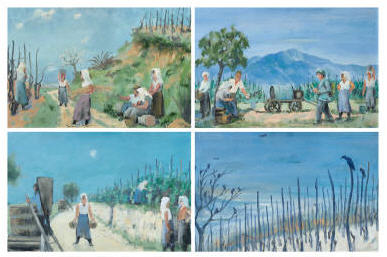
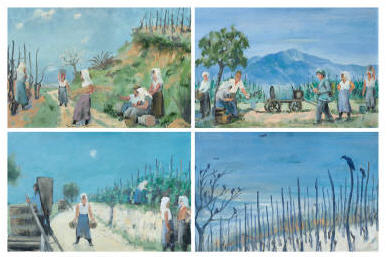
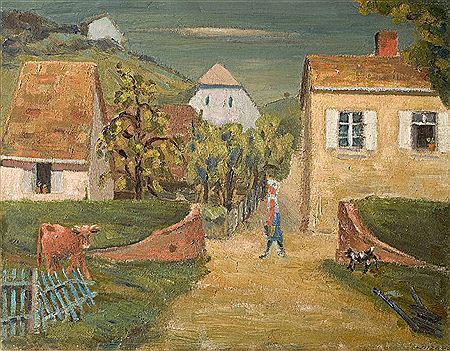
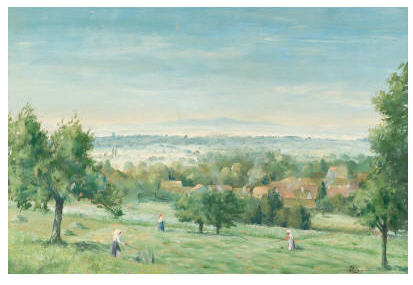
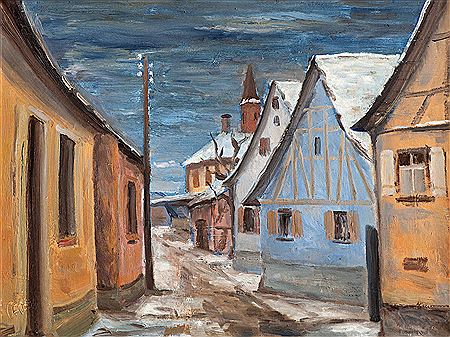
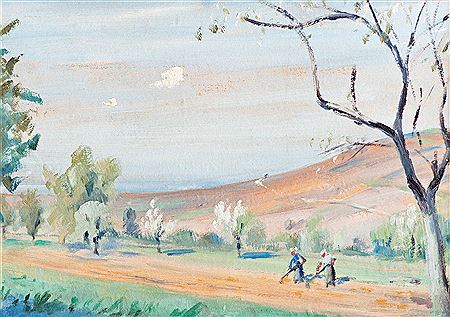
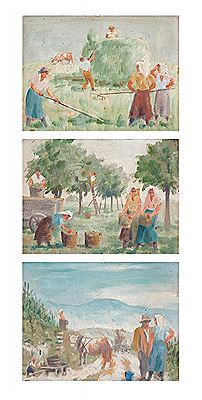
Read full biography Emil Bizer was born in Pforzheim in 1881. After a commercial apprenticeship he stayed in Paris and London where he started painting. He received his artistic training in Baden-Baden and Karlsruhe and regularly took part in exhibitions from 1911 onwards. In 1912 he moved to the Markgräflerland, a region in Baden-Württemberg. Here Bizer found his spiritual home, which he immortalized in many of his works. At the beginning he mainly created etchings, lithographs and wood cuts but in the 1920s he devoted himself increasingly to painting. He became a member of the artists' group 'Badische Secession'. During the NSDAP regime his works were considered 'degenerate art' and were confiscated. Most of Bizer's works are characterized by a reduced formal quality and bold colors.