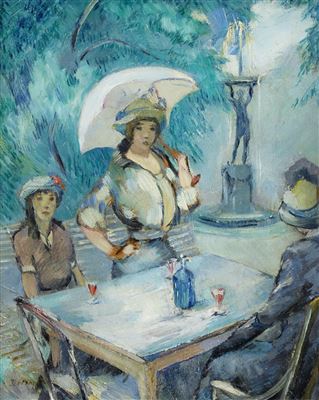
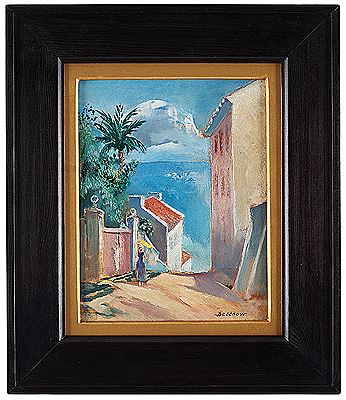
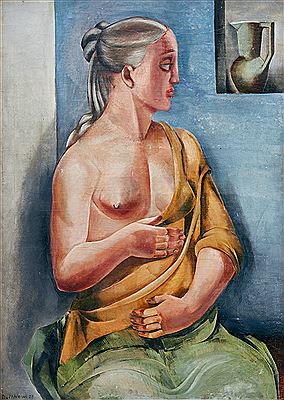
1888 - 1952. Known for: Post-Impressionist style, use of colors and light.
Eric Detthow was born in 1888 in Vassända-Naglum parish, Sweden. He studied at the Academy of Fine Arts in Stockholm before going to Paris for the first time in 1913. After the end of World War I, he...
Read full biography Eric Detthow was born in 1888 in Vassända-Naglum parish, Sweden. He studied at the Academy of Fine Arts in Stockholm before going to Paris for the first time in 1913. After the end of World War I, he returned to Paris in 1919 for a longer stay. Detthow was inspired by the dissolved paintings of...
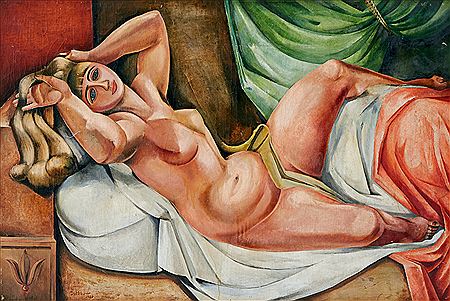
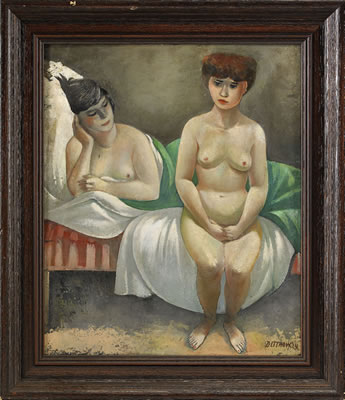
Read full biography Eric Detthow was born in 1888 in Vassända-Naglum parish, Sweden. He studied at the Academy of Fine Arts in Stockholm before going to Paris for the first time in 1913. After the end of World War I, he returned to Paris in 1919 for a longer stay. Detthow was inspired by the dissolved paintings of Paul Cézanne and Georges Seurat and their innovative use of colors and light. He intensively studied the works he saw in Paris and soon learned to build his own compositions according to fixed...
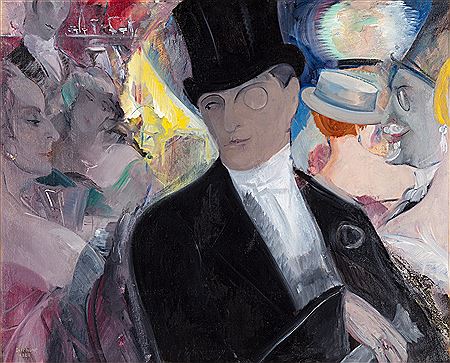
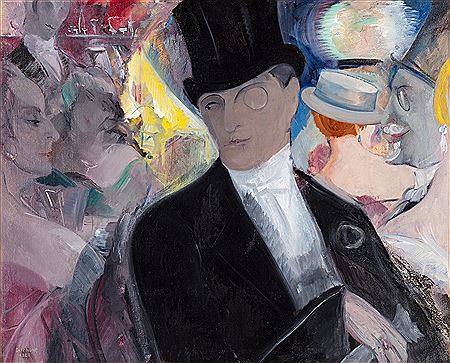
Read full biography Eric Detthow was born in 1888 in Vassända-Naglum parish, Sweden. He studied at the Academy of Fine Arts in Stockholm before going to Paris for the first time in 1913. After the end of World War I, he returned to Paris in 1919 for a longer stay. Detthow was inspired by the dissolved paintings of Paul Cézanne and Georges Seurat and their innovative use of colors and light. He intensively studied the works he saw in Paris and soon learned to build his own compositions according to fixed structures. Detthow was a keen observer and gained an early foothold in Parisian art life. As early as 1920, he was elected to the exhibition organization Salon d'Automne in Paris and participated in their annual exhibition. The auction's two portraits were...
Read full biography Eric Detthow was born in 1888 in Vassända-Naglum parish, Sweden. He studied at the Academy of Fine Arts in Stockholm before going to Paris for the first time in 1913. After the end of World War I, he returned to Paris in 1919 for a longer stay. Detthow was inspired by the dissolved paintings of Paul Cézanne and Georges Seurat and their innovative use of colors and light. He intensively studied the works he saw in Paris and soon learned to build his own compositions according to fixed structures. Detthow was a keen observer and gained an early foothold in Parisian art life. As early as 1920, he was elected to the exhibition organization Salon d'Automne in Paris and participated in their annual exhibition. The auction's two portraits were made in 1921 during Dethow's time in Paris