Eugène Leroy spent most of his career in rural isolation and relative obscurity until the 1980s, when figurative painting came back into vogue and his distinctive if somewhat conservative painting... Read full biography
Eugène Leroy spent most of his career in rural isolation and relative obscurity until the 1980s, when figurative painting came back into vogue and his distinctive if somewhat conservative painting style became increasingly recognized both in his native France and overseas. Working for months and... Read full biography
Eugène Leroy spent most of his career in rural isolation and relative obscurity until the 1980s, when figurative painting came back into vogue and his distinctive if somewhat conservative painting style became increasingly recognized both in his native France and overseas. Working for months and sometimes years on canvases whose paint surfaces are so obsessively thick that their images -mostly nudes, heads and still lifes- are virtually obliterated. It is apparent that Leroy is not concerned... Read full biography
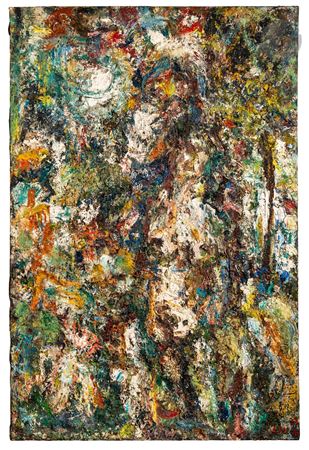
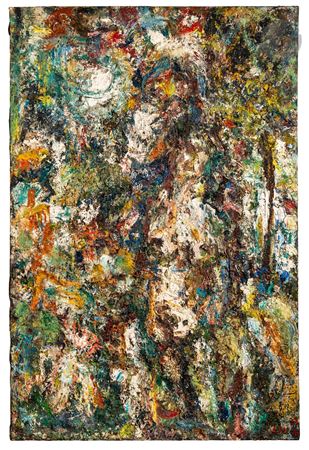
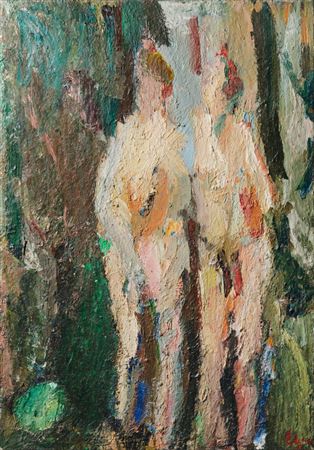
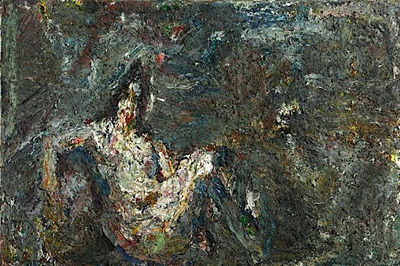
Eugène Leroy spent most of his career in rural isolation and relative obscurity until the 1980s, when figurative painting came back into vogue and his distinctive if somewhat conservative painting style became increasingly recognized both in his native France and overseas. Working for months and sometimes years on canvases whose paint surfaces are so obsessively thick that their images -mostly nudes, heads and still lifes- are virtually obliterated. It is apparent that Leroy is not concerned with the ideological separation of figuration and abstraction. His motives are neither resolved by absolute unrepresentationalism nor are they specifically recognizable. The painted is only a resonance of the extra-pictorial. But precisely because of... Read full biography
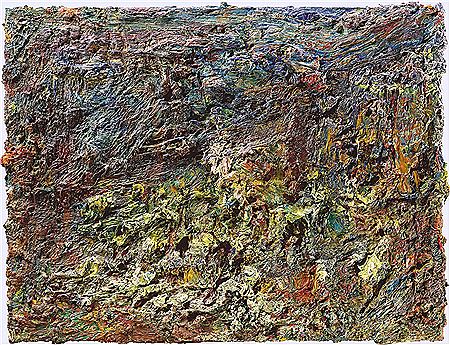
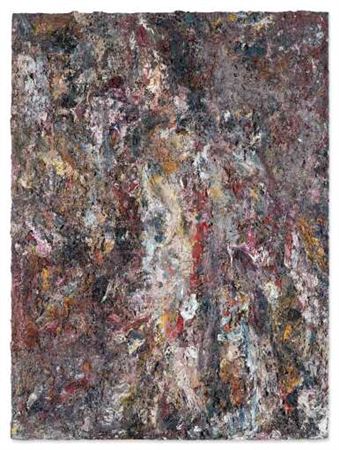
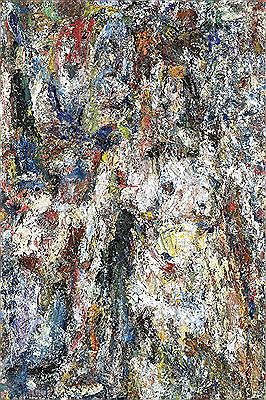
Eugène Leroy spent most of his career in rural isolation and relative obscurity until the 1980s, when figurative painting came back into vogue and his distinctive if somewhat conservative painting style became increasingly recognized both in his native France and overseas. Working for months and sometimes years on canvases whose paint surfaces are so obsessively thick that their images -mostly nudes, heads and still lifes- are virtually obliterated. It is apparent that Leroy is not concerned with the ideological separation of figuration and abstraction. His motives are neither resolved by absolute unrepresentationalism nor are they specifically recognizable. The painted is only a resonance of the extra-pictorial. But precisely because of this, these works perhaps move closer to reality than Leroy's early tangible works. His nudes, portra... Read full biography
Eugène Leroy - Art Prices in Auction LotsAuction Lots