Evol, born in Heilbronn 1970, is a German street artist. He moved to Berlin in the early 2000s, where he he became inspired by what he calls the “functional furniture” of the city—its omnipresent... Read full biography
Evol, born in Heilbronn 1970, is a German street artist. He moved to Berlin in the early 2000s, where he he became inspired by what he calls the “functional furniture” of the city—its omnipresent electrical boxes—as well as the post-war architectural styles of socialist East Germany and Russia.... Read full biography
Evol, born in Heilbronn 1970, is a German street artist. He moved to Berlin in the early 2000s, where he he became inspired by what he calls the “functional furniture” of the city—its omnipresent electrical boxes—as well as the post-war architectural styles of socialist East Germany and Russia. After the fall of the Berlin Wall and the commercialization of the urban center, the monotonous cement blocks that housed workers were generally exiled to the lower-income outskirts. He began to build... Read full biography
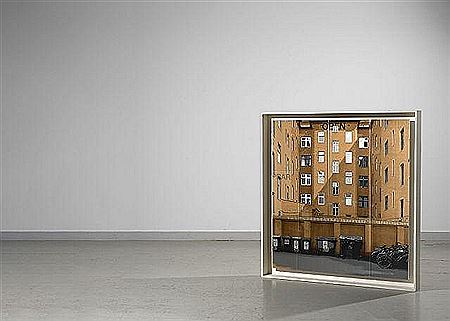
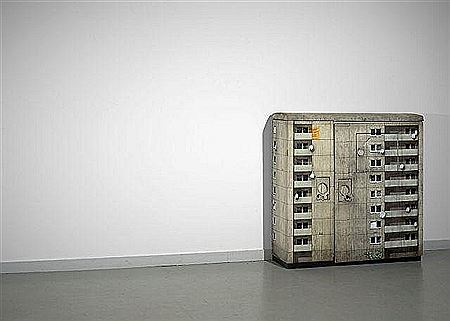
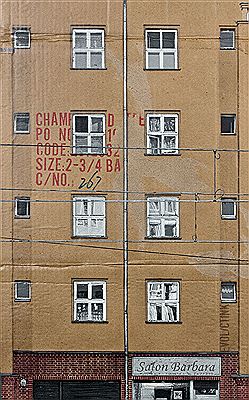
Evol, born in Heilbronn 1970, is a German street artist. He moved to Berlin in the early 2000s, where he he became inspired by what he calls the “functional furniture” of the city—its omnipresent electrical boxes—as well as the post-war architectural styles of socialist East Germany and Russia. After the fall of the Berlin Wall and the commercialization of the urban center, the monotonous cement blocks that housed workers were generally exiled to the lower-income outskirts. He began to build “small monuments” to such architecture, painting the facades of miniature apartment buildings on electrical boxes, concrete slabs, or sections of cardboard. Fraught history notwithstanding, “it’s also a very playful thing,” he explains. One of Evol’s... Read full biography
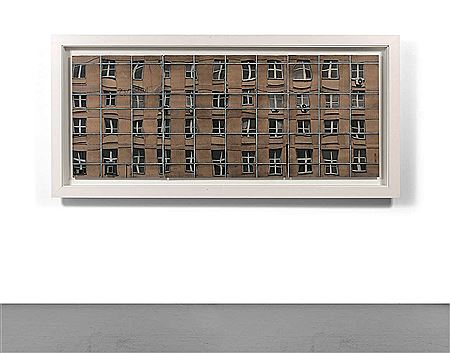
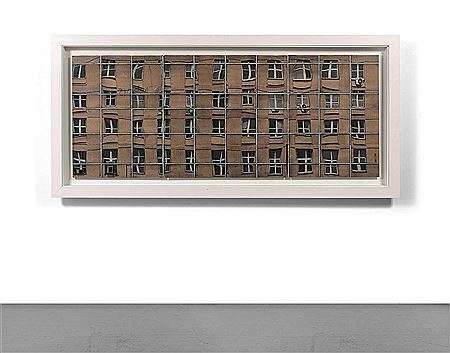
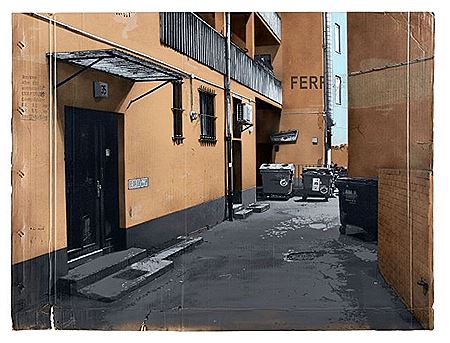
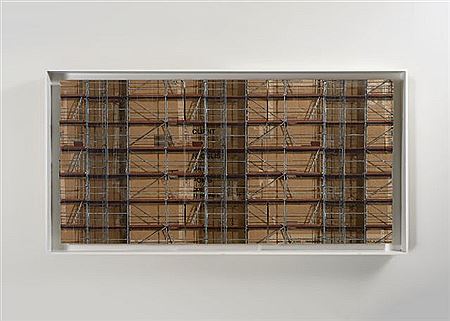
Evol, born in Heilbronn 1970, is a German street artist. He moved to Berlin in the early 2000s, where he he became inspired by what he calls the “functional furniture” of the city—its omnipresent electrical boxes—as well as the post-war architectural styles of socialist East Germany and Russia. After the fall of the Berlin Wall and the commercialization of the urban center, the monotonous cement blocks that housed workers were generally exiled to the lower-income outskirts. He began to build “small monuments” to such architecture, painting the facades of miniature apartment buildings on electrical boxes, concrete slabs, or sections of cardboard. Fraught history notwithstanding, “it’s also a very playful thing,” he explains. One of Evol’s creations came together serendipitously when he realized the blue fluorescent UV light from... Read full biography