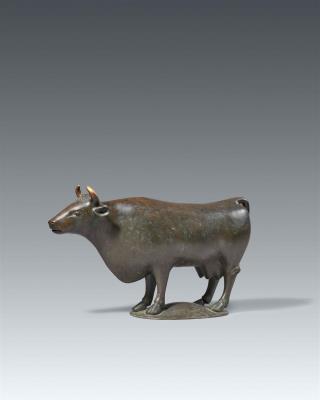
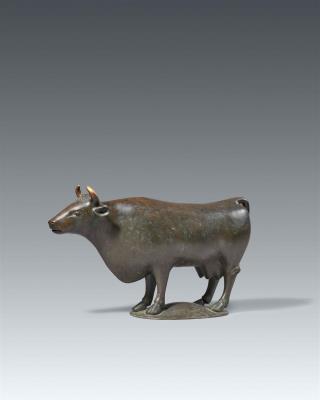
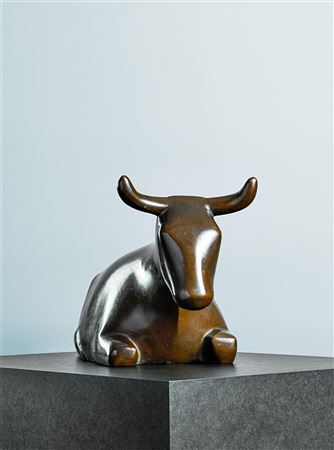
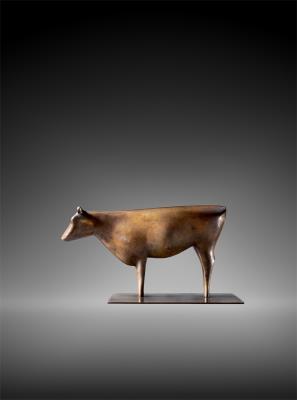
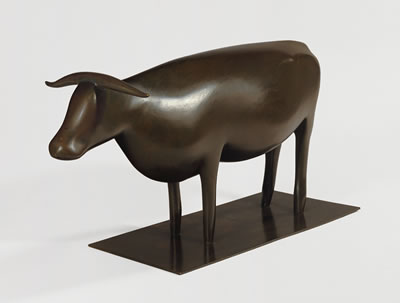
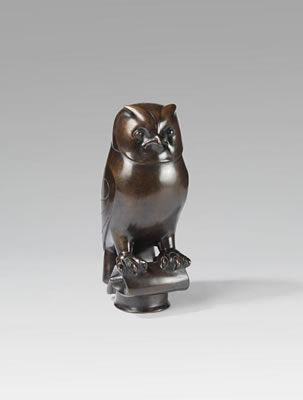
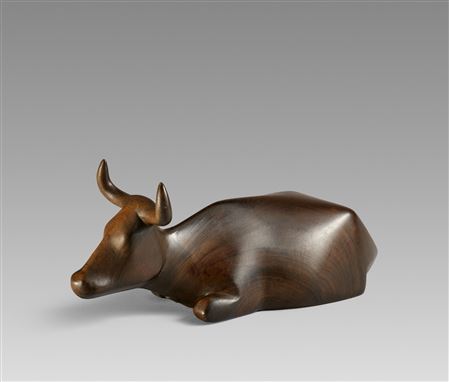
1887 Aachen, Germany - 1965 Büderich bei Neuss, Germany. Known for: Stylized figure painting, animal form sculpture and woodcuts.
Ewald Matare was born in Aachen, in 1887. Ewald Mataré discovered his interest in art as a student, receiving private lessons from the sculptor Karl Krauss, and the painter Eugène Klinckenberg. In...
Read full biography Ewald Matare was born in Aachen, in 1887. Ewald Mataré discovered his interest in art as a student, receiving private lessons from the sculptor Karl Krauss, and the painter Eugène Klinckenberg. In 1907, he studied painting at the Art Academy in Berlin. In 1915, he became a master student of Arthur...
Read full biography Ewald Matare was born in Aachen, in 1887. Ewald Mataré discovered his interest in art as a student, receiving private lessons from the sculptor Karl Krauss, and the painter Eugène Klinckenberg. In 1907, he studied painting at the Art Academy in Berlin. In 1915, he became a master student of Arthur Kampf. In the summer of 1920, Mataré began to experiment with the printing technique of woodcuts. Two years later, he also focused on sculptural works. Mataré developed a personal style that was based...
Read full biography Ewald Matare was born in Aachen, in 1887. Ewald Mataré discovered his interest in art as a student, receiving private lessons from the sculptor Karl Krauss, and the painter Eugène Klinckenberg. In 1907, he studied painting at the Art Academy in Berlin. In 1915, he became a master student of Arthur Kampf. In the summer of 1920, Mataré began to experiment with the printing technique of woodcuts. Two years later, he also focused on sculptural works. Mataré developed a personal style that was based on Expressionism and other styles like Cubism. Besides religious subjects that he mainly realized during the Nazi dictatorship, his favorite depictions turned out to be animals. Ewald Mataré is considered one of the most important artists of the...
Read full biography Ewald Matare was born in Aachen, in 1887. Ewald Mataré discovered his interest in art as a student, receiving private lessons from the sculptor Karl Krauss, and the painter Eugène Klinckenberg. In 1907, he studied painting at the Art Academy in Berlin. In 1915, he became a master student of Arthur Kampf. In the summer of 1920, Mataré began to experiment with the printing technique of woodcuts. Two years later, he also focused on sculptural works. Mataré developed a personal style that was based on Expressionism and other styles like Cubism. Besides religious subjects that he mainly realized during the Nazi dictatorship, his favorite depictions turned out to be animals. Ewald Mataré is considered one of the most important artists of the German classical modernist period.