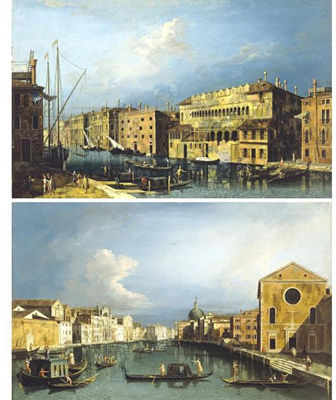
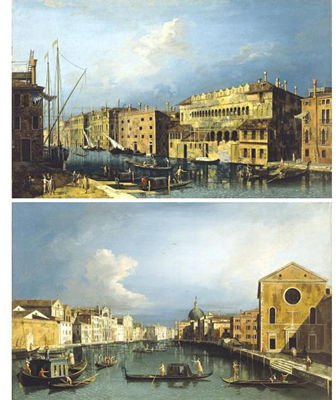
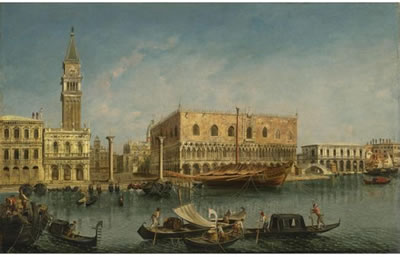
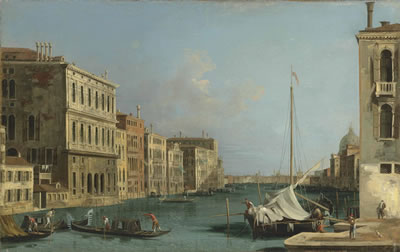
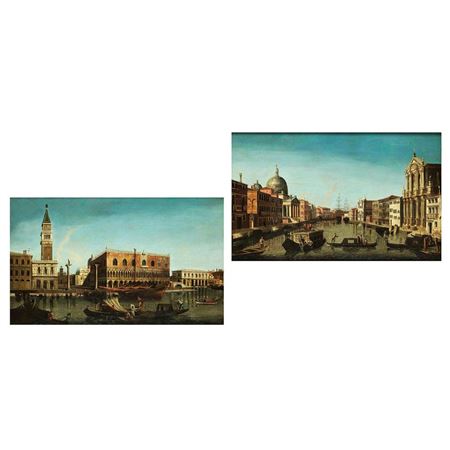
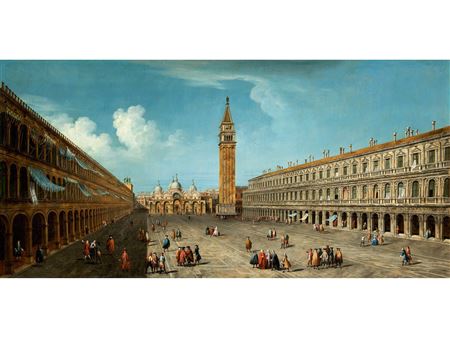
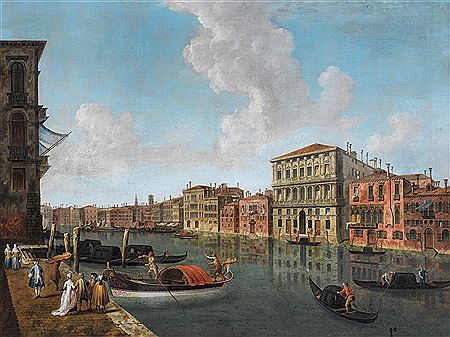
1721 - 1757. Known for: Venetian city building scene paintings.
Francesco Albotto (also Albotti or Francois Albotti) was a student and collaborator of the vedutist Michele Marieschi (1710-1744) and took over the workshop after his death, which led to him being...
Read full biography Francesco Albotto (also Albotti or Francois Albotti) was a student and collaborator of the vedutist Michele Marieschi (1710-1744) and took over the workshop after his death, which led to him being called "the second Marieschi" and his works often as his Predecessor were seen. It was not until 1972...
Read full biography Francesco Albotto (also Albotti or Francois Albotti) was a student and collaborator of the vedutist Michele Marieschi (1710-1744) and took over the workshop after his death, which led to him being called "the second Marieschi" and his works often as his Predecessor were seen. It was not until 1972 that the hands were separated through the discovery of a signature with an address. It is only recently that the few paintings that have become known have been shown to him by his hand. In contrast to...
Read full biography Francesco Albotto (also Albotti or Francois Albotti) was a student and collaborator of the vedutist Michele Marieschi (1710-1744) and took over the workshop after his death, which led to him being called "the second Marieschi" and his works often as his Predecessor were seen. It was not until 1972 that the hands were separated through the discovery of a signature with an address. It is only recently that the few paintings that have become known have been shown to him by his hand. In contrast to his predecessors, his painting style is much smoother in the peinture, which is dedicated to the requirement of a more exact reproduction. Works by his hand are in private and public collections, including in Berlin, Gemäldegalerie, Naples, Museo e...
Read full biography Francesco Albotto (also Albotti or Francois Albotti) was a student and collaborator of the vedutist Michele Marieschi (1710-1744) and took over the workshop after his death, which led to him being called "the second Marieschi" and his works often as his Predecessor were seen. It was not until 1972 that the hands were separated through the discovery of a signature with an address. It is only recently that the few paintings that have become known have been shown to him by his hand. In contrast to his predecessors, his painting style is much smoother in the peinture, which is dedicated to the requirement of a more exact reproduction. Works by his hand are in private and public collections, including in Berlin, Gemäldegalerie, Naples, Museo e Gallerie Nazionali di Capodimonte, Vicenza, Gallerie di Palazzo Leoni Montanari, etc. A.R.