The Veronese Francesco Perezzoli trained with Giulio Carpioni, then moved to Rome (1680s), Bologna and later settled in Milan. Although mentioned in early sources and relatively well documented, his... Read full biography
The Veronese Francesco Perezzoli trained with Giulio Carpioni, then moved to Rome (1680s), Bologna and later settled in Milan. Although mentioned in early sources and relatively well documented, his work was little known, being difficult to trace the many stylistic developments of the artist, who... Read full biography
The Veronese Francesco Perezzoli trained with Giulio Carpioni, then moved to Rome (1680s), Bologna and later settled in Milan. Although mentioned in early sources and relatively well documented, his work was little known, being difficult to trace the many stylistic developments of the artist, who moved through many artistic centers – such as Rome, Bologna and Milan, engaging with different cultural and artistic environments . We owe to Professor Alberto Cottino an attempt of thorough definition... Read full biography
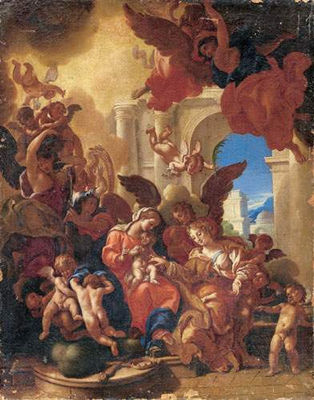
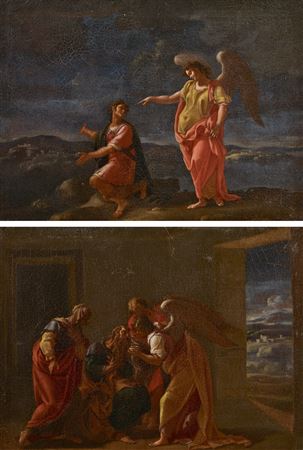
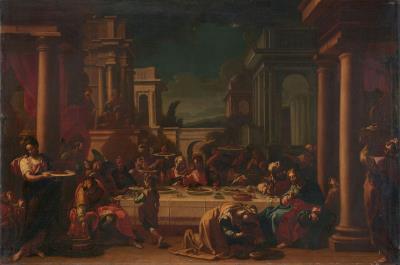
The Veronese Francesco Perezzoli trained with Giulio Carpioni, then moved to Rome (1680s), Bologna and later settled in Milan. Although mentioned in early sources and relatively well documented, his work was little known, being difficult to trace the many stylistic developments of the artist, who moved through many artistic centers – such as Rome, Bologna and Milan, engaging with different cultural and artistic environments . We owe to Professor Alberto Cottino an attempt of thorough definition of his œuvre: in 2011, the scholar first published the present pair, and grouped around it a number of pieces, which he referred to Ferrarino´s hand. The known works show a high level of quality and some recurrent features: Ferrarino prefers a... Read full biography
The Veronese Francesco Perezzoli trained with Giulio Carpioni, then moved to Rome (1680s), Bologna and later settled in Milan. Although mentioned in early sources and relatively well documented, his work was little known, being difficult to trace the many stylistic developments of the artist, who moved through many artistic centers – such as Rome, Bologna and Milan, engaging with different cultural and artistic environments . We owe to Professor Alberto Cottino an attempt of thorough definition of his œuvre: in 2011, the scholar first published the present pair, and grouped around it a number of pieces, which he referred to Ferrarino´s hand. The known works show a high level of quality and some recurrent features: Ferrarino prefers a particular typology of the female figures- characterized by delicate smiles, slender and sinuous bodies – and, especially in the mature production, the crow... Read full biography
Francesco Perezzoli - Art Prices in Auction LotsAuction Lots