1644 Sevilla, Spain - 1700 Madrid, Spain. Known for: Landscape, figure, religious painting.
Francisco Antolínez y Sarabia, brother of the well-known painter José Antolínez, stood out in Seville at the end of the 17th century for his high culture. To his formation in laws he must add a great...
Read full biography Francisco Antolínez y Sarabia, brother of the well-known painter José Antolínez, stood out in Seville at the end of the 17th century for his high culture. To his formation in laws he must add a great liking for the art of painting in which he frequently performed a type of small format works and...
Read full biography Francisco Antolínez y Sarabia, brother of the well-known painter José Antolínez, stood out in Seville at the end of the 17th century for his high culture. To his formation in laws he must add a great liking for the art of painting in which he frequently performed a type of small format works and loose brushstroke that, many times, reflect the influence of Murillo models. The series presented here, with their original period frames, present the most typical features in their production: passages...
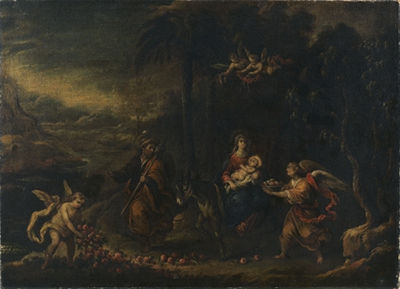
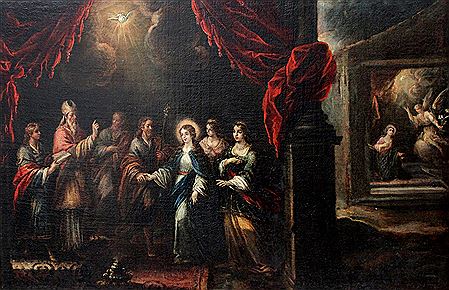
Read full biography Francisco Antolínez y Sarabia, brother of the well-known painter José Antolínez, stood out in Seville at the end of the 17th century for his high culture. To his formation in laws he must add a great liking for the art of painting in which he frequently performed a type of small format works and loose brushstroke that, many times, reflect the influence of Murillo models. The series presented here, with their original period frames, present the most typical features in their production: passages with biblical themes or scenes from the life of some saints that the author represents through a type of small figures wrapped in landscapes with lush vegetation .
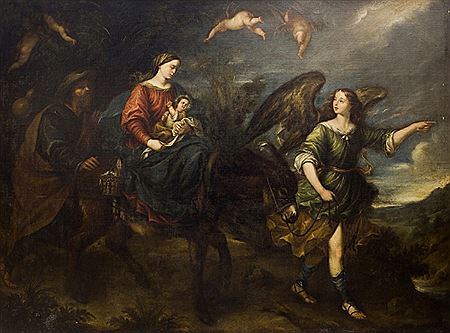
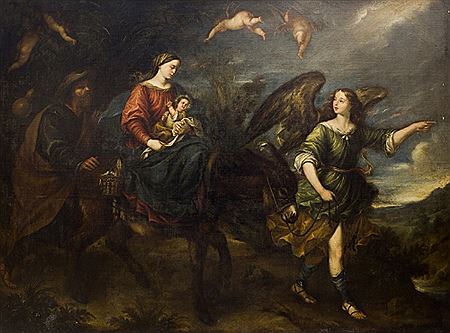
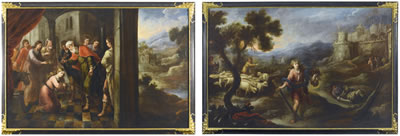
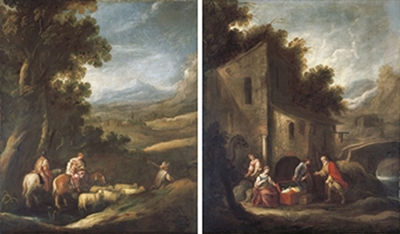
Francisco Antolínez y Sarabia, brother of the well-known painter José Antolínez, stood out in Seville at the end of the 17th century for his high culture. To his formation in laws he must add a great liking for the art of painting in which he frequently performed a type of small format works and loose brushstroke that, many times, reflect the influence of Murillo models. The series presented here, with their original period frames, present the most typical features in their production: passages with biblical themes or scenes from the life of some saints that the author represents through a type of small figures wrapped in landscapes with lush vegetation .