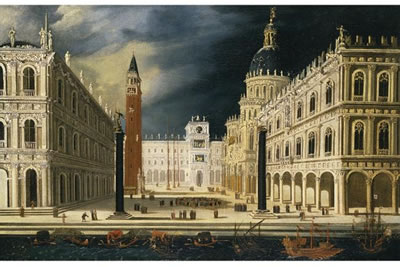
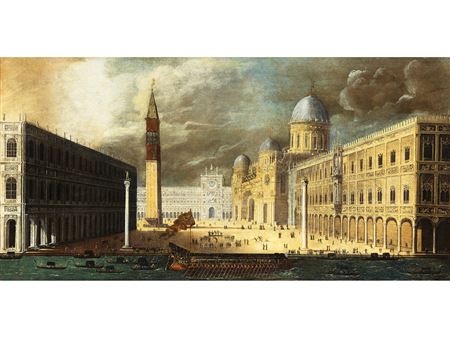
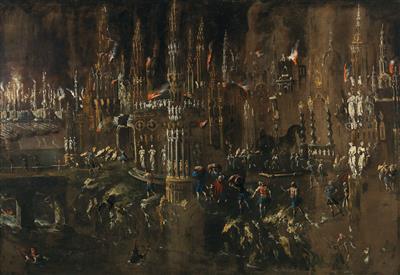
François de Nomé. Metz, ca. 1593-Naples, after 1644. In the present day François de Nomé continues to be associated with the name of Monsù Desiderio, a name traditionally used to cover the work of... Read full biography
François de Nomé. Metz, ca. 1593-Naples, after 1644. In the present day François de Nomé continues to be associated with the name of Monsù Desiderio, a name traditionally used to cover the work of two different artists: Francóis de Nomé and Didier Barra. Both artists, who have recently been... Read full biography
François de Nomé. Metz, ca. 1593-Naples, after 1644. In the present day François de Nomé continues to be associated with the name of Monsù Desiderio, a name traditionally used to cover the work of two different artists: Francóis de Nomé and Didier Barra. Both artists, who have recently been distinguished from each other and identified, were natives of Metz and were active in Naples during the first half of the 17th century, where on occasions they worked together.??François de Nomé moved to... Read full biography
François de Nomé. Metz, ca. 1593-Naples, after 1644. In the present day François de Nomé continues to be associated with the name of Monsù Desiderio, a name traditionally used to cover the work of two different artists: Francóis de Nomé and Didier Barra. Both artists, who have recently been distinguished from each other and identified, were natives of Metz and were active in Naples during the first half of the 17th century, where on occasions they worked together.??François de Nomé moved to Rome at the age of around eleven. He trained there with the Master Baldassare, who was probably the Flemish landscape painter Balthazar Lauwers, also known as Lauri. In addition to the influence of that artist’s work and of Paul Bril, François de Nomé’s... Read full biography
François de Nomé. Metz, ca. 1593-Naples, after 1644. In the present day François de Nomé continues to be associated with the name of Monsù Desiderio, a name traditionally used to cover the work of two different artists: Francóis de Nomé and Didier Barra. Both artists, who have recently been distinguished from each other and identified, were natives of Metz and were active in Naples during the first half of the 17th century, where on occasions they worked together.??François de Nomé moved to Rome at the age of around eleven. He trained there with the Master Baldassare, who was probably the Flemish landscape painter Balthazar Lauwers, also known as Lauri. In addition to the influence of that artist’s work and of Paul Bril, François de Nomé’s paintings look to the elaborate architectural compositions of Hans Vredeman de Vr... Read full biography
Francois De Nome - Art Prices in Auction LotsAuction Lots