Born in British Guyana, Frank Bowling belongs to the generation of British artists that came of age in the sixties. After graduating from the Royal College of Art in 1962, along with David Hockney... Read full biography
Born in British Guyana, Frank Bowling belongs to the generation of British artists that came of age in the sixties. After graduating from the Royal College of Art in 1962, along with David Hockney and R. B. Kitaj, he, like Hockney, found his artistic identity in America. Unlike Hockney's, however,... Read full biography
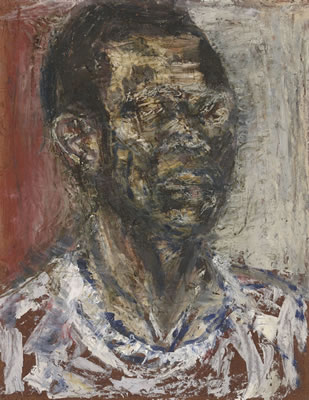
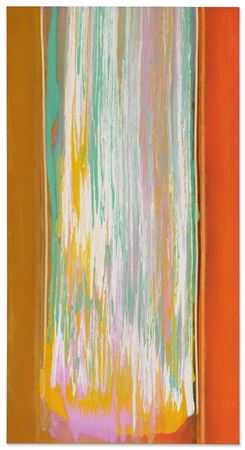
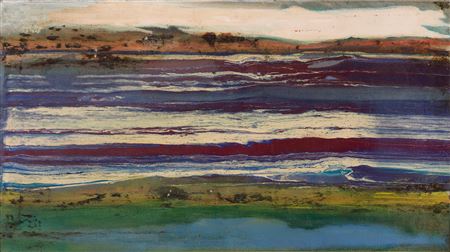
Born in British Guyana, Frank Bowling belongs to the generation of British artists that came of age in the sixties. After graduating from the Royal College of Art in 1962, along with David Hockney and R. B. Kitaj, he, like Hockney, found his artistic identity in America. Unlike Hockney's, however, Bowling's art is rooted in abstraction owing to the abstract expressionist tradition of Mark Rothko. Vigorously dripping and pouring paint in lustrous accretions, he creates texturally complex... Read full biography
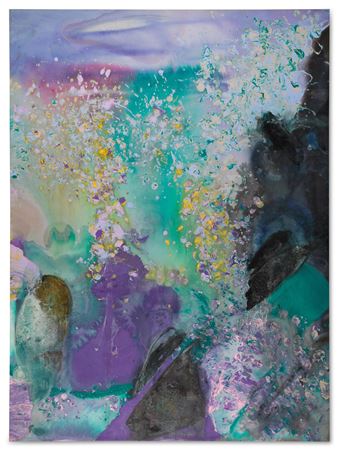
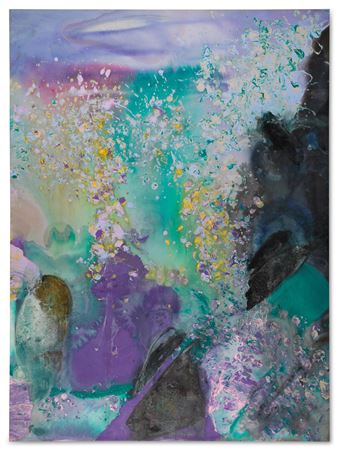
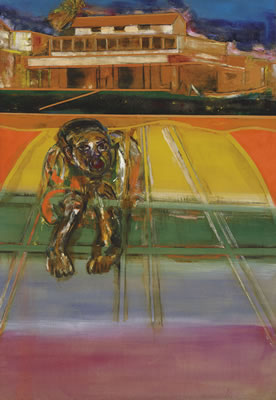
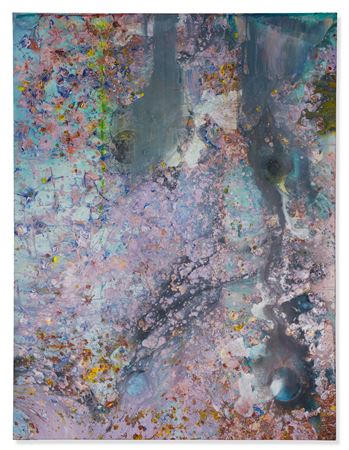
Born in British Guyana, Frank Bowling belongs to the generation of British artists that came of age in the sixties. After graduating from the Royal College of Art in 1962, along with David Hockney and R. B. Kitaj, he, like Hockney, found his artistic identity in America. Unlike Hockney's, however, Bowling's art is rooted in abstraction owing to the abstract expressionist tradition of Mark Rothko. Vigorously dripping and pouring paint in lustrous accretions, he creates texturally complex paintings in which he plays with structure through collaged and brightly painted shapes. He was elected in 2005 as the first black member of England's Royal Academy. Bowling moved in 1950 to England, where he fulfilled his National Service obligation by... Read full biography
Born in British Guyana, Frank Bowling belongs to the generation of British artists that came of age in the sixties. After graduating from the Royal College of Art in 1962, along with David Hockney and R. B. Kitaj, he, like Hockney, found his artistic identity in America. Unlike Hockney's, however, Bowling's art is rooted in abstraction owing to the abstract expressionist tradition of Mark Rothko. Vigorously dripping and pouring paint in lustrous accretions, he creates texturally complex paintings in which he plays with structure through collaged and brightly painted shapes. He was elected in 2005 as the first black member of England's Royal Academy. Bowling moved in 1950 to England, where he fulfilled his National Service obligation by serving in the Royal Air Force. Turning at first to poetry and art, he then attended a number of English art schools, in... Read full biography
Frank Bowling - Art Prices in Auction LotsAuction Lots