1900 - 1974. Known for: Imaginative painting, stage design.
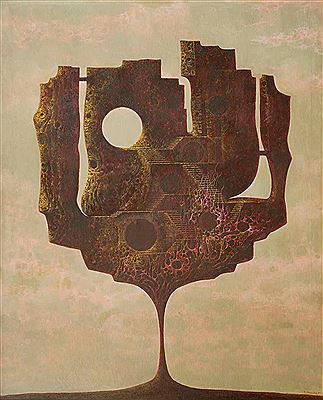
František Muzika was a Czech artist who was a leading representative of imaginative painting in Czechoslovakia during the early 20th century. He was influenced by Surrealism but never fully...
Read full biography František Muzika was a Czech artist who was a leading representative of imaginative painting in Czechoslovakia during the early 20th century. He was influenced by Surrealism but never fully identified with the movement due to his romantic disposition and sense of order. Muzika's work often depicted...
Read full biography František Muzika was a Czech artist who was a leading representative of imaginative painting in Czechoslovakia during the early 20th century. He was influenced by Surrealism but never fully identified with the movement due to his romantic disposition and sense of order. Muzika's work often depicted imaginary stages with enigmatic objects and symbolic meanings. As the 1940s approached, he focused more on stage and book design, incorporating socially engaged themes and tragic allegories demanded...
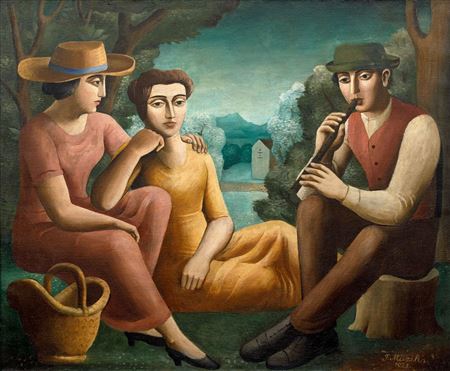
Read full biography František Muzika was a Czech artist who was a leading representative of imaginative painting in Czechoslovakia during the early 20th century. He was influenced by Surrealism but never fully identified with the movement due to his romantic disposition and sense of order. Muzika's work often depicted imaginary stages with enigmatic objects and symbolic meanings. As the 1940s approached, he focused more on stage and book design, incorporating socially engaged themes and tragic allegories demanded by the period. Muzika developed two primary themes in the latter half of the 1930s: reclined figures in landscapes and the Islands cycle.Information based on the provided text.
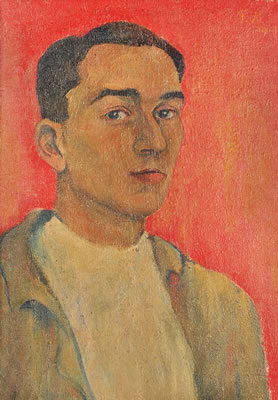
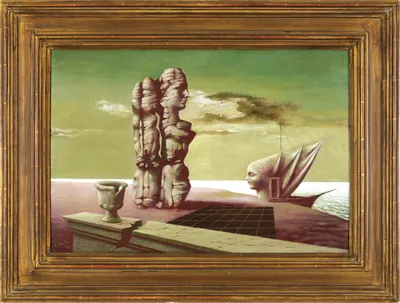
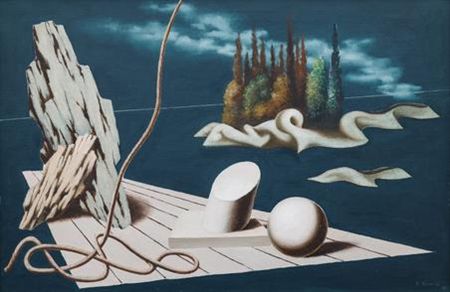
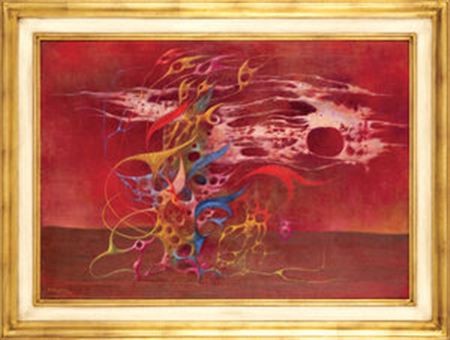
František Muzika was a Czech artist who was a leading representative of imaginative painting in Czechoslovakia during the early 20th century. He was influenced by Surrealism but never fully identified with the movement due to his romantic disposition and sense of order. Muzika's work often depicted imaginary stages with enigmatic objects and symbolic meanings. As the 1940s approached, he focused more on stage and book design, incorporating socially engaged themes and tragic allegories demanded by the period. Muzika developed two primary themes in the latter half of the 1930s: reclined figures in landscapes and the Islands cycle.Information based on the provided text.